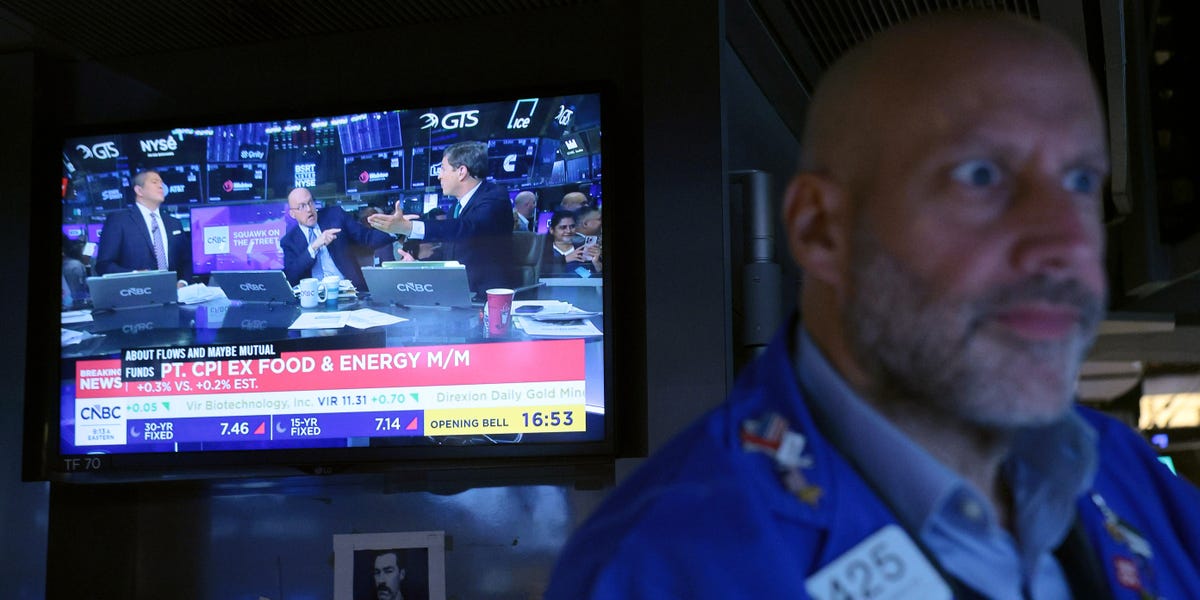
Thursday, April 2, 2026 is shaping up as one of the most turbulent days Q2 has offered yet. A White House address on the Iran war sent oil above $100 a barrel and flushed hundreds of millions of dollars in crypto leverage out of the market. Meanwhile, Google dropped a bombshell paper on Bitcoin's quantum vulnerability, OpenAI closed a $122B funding monster, and the US Senate's CLARITY Act is barreling toward a mid-April markup vote. Here is everything you need to know.
1. Trump Vows More Iran Strikes — Crypto Slides 2.6%, $420M Liquidated
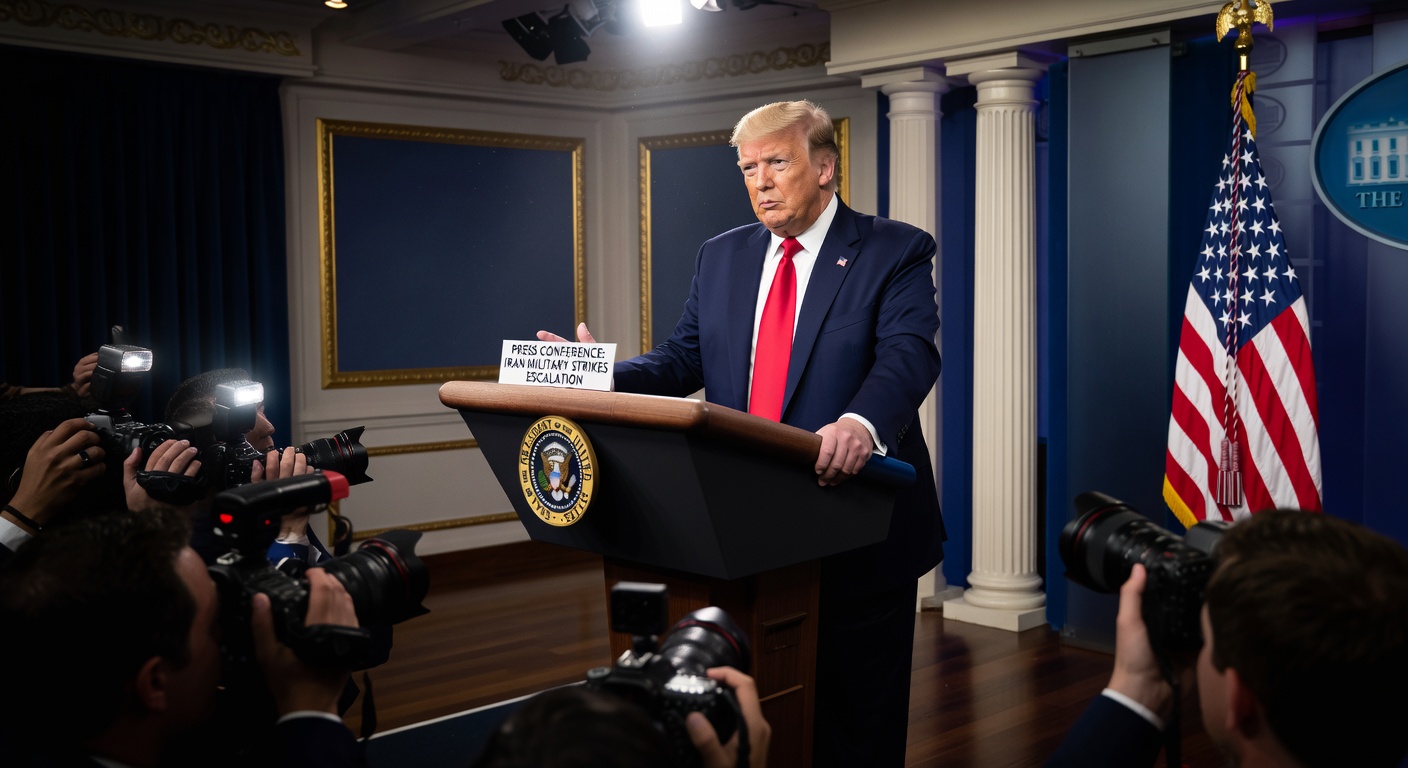
Photo: Unsplash / Quantitative Finance
The crypto market dropped 2.6% to $2.37 trillion on Thursday after President Trump told the nation in a primetime address that the U.S. military campaign against Iran would enter a more aggressive phase over the next two to three weeks. The remarks offered no exit strategy, oil surged back above $100 a barrel, and global risk assets sold off sharply.
Bitcoin fell over 4% to $66,250, with many analysts eyeing the $65,000 level as the last meaningful support before a potential drop toward $60K. Ethereum slid 3.4% toward the psychologically important $2,000 level, while XRP, BNB, Solana, and Dogecoin each posted losses between 2% and 6%. The liquidation cascade was swift: over $420 million in leveraged positions were wiped out across exchanges, with $255 million coming from long positions alone — roughly $64 million each from Bitcoin and Ethereum longs. Trading volumes surged on platforms like Bybit as traders rushed to cover positions; Bybit also offers gold and oil CFDs via its TradFi products for those seeking direct exposure to the commodity spike.
The Crypto Fear and Greed Index dropped five more points to 27, its lowest reading this week. Inflation concerns compound the geopolitical picture: oil above $100 reduces the probability of Federal Reserve rate cuts, removing one of the market's key bullish catalysts. CNN reported that Israeli air defenses intercepted Iranian missiles on the first night of Passover, and the prospect of a wider Middle East conflict remains very much live. Source: Crypto.news | Reuters
2. Bitcoin Closes Its Worst Q1 Since 2018 — Down 24%, Fear Index Hits 9
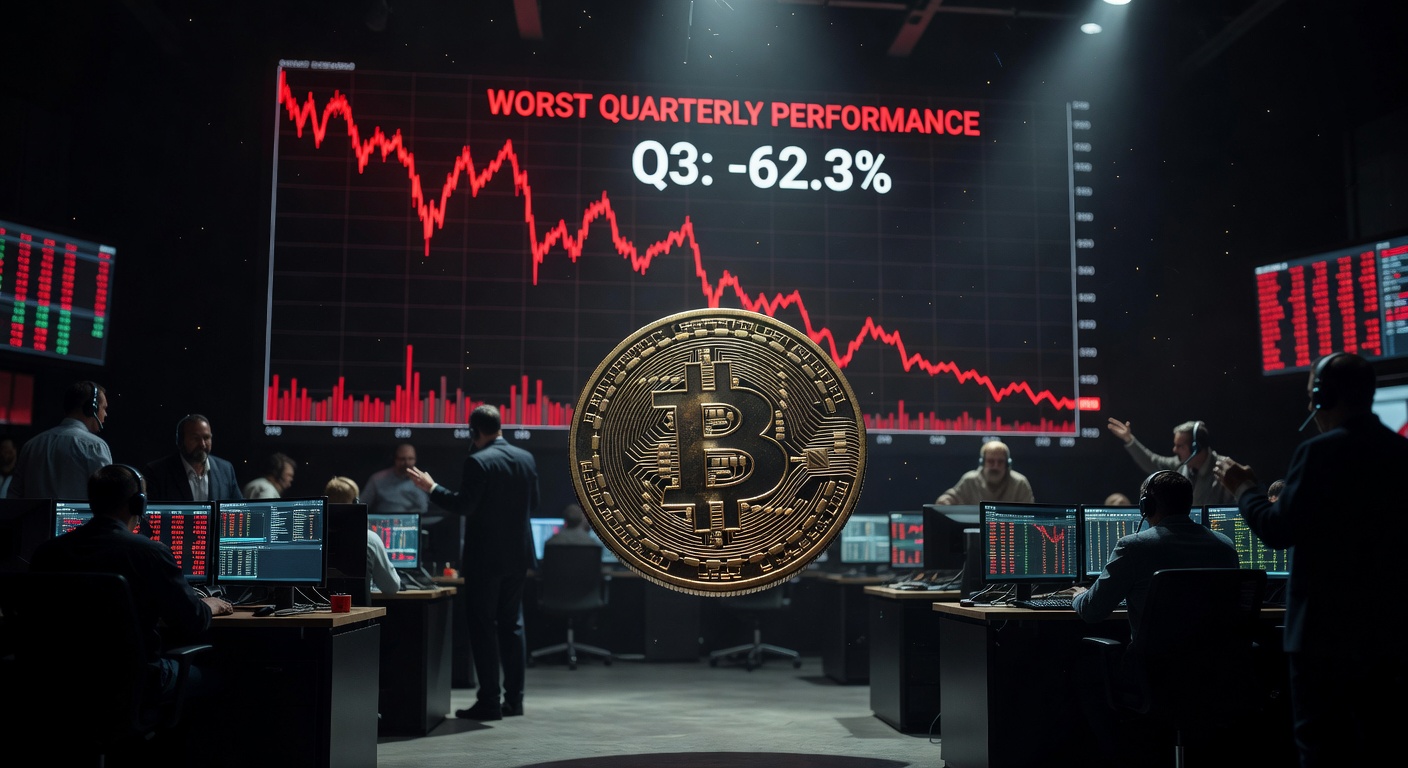
Photo: Unsplash / Bitcoin
Before today's Iran-driven selloff even began, the scoreboard for Q1 2026 was already brutal. Bitcoin opened the year at $87,508 and closed March 31 at approximately $67,800, a 22-24% quarterly loss — the worst Q1 performance since 2018, when BTC fell 50%. Total crypto market cap sits at $2.42 trillion with BTC dominance rising to 56.3% as investors fled to relative safety in the largest asset while dumping altcoins. Ethereum fell 32.8% over the quarter, closing around $2,070.
The Fear and Greed Index hit 9 out of 100 — Extreme Fear — marking 46 consecutive days in that territory, a run not seen since the FTX collapse in November 2022. Spot Bitcoin ETF net outflows reached $496.5 million in Q1, with institutional demand drying up as macro headwinds accumulated. The confluence of Trump's Liberation Day tariff package, persistent Fed hawkishness on the back of sticky inflation, and Middle East instability created a macro environment that offered very little cover for speculative risk assets.
Analysts at SpotedCrypto note that whale wallets have been quietly accumulating during the selloff, and Polymarket prediction markets give Q2 a roughly 60% probability of recovery above $80K by mid-year — contingent on either a de-escalation in the Iran conflict or progress on the CLARITY Act. For now, $65,000 is the line in the sand. A weekly close below that level would likely accelerate a move toward the $58,000-$60,000 range. Source: SpotedCrypto | The Block
3. Google Warns Quantum Computers Could Crack Bitcoin Sooner Than Thought — QRL Surges 50%

Photo: Unsplash / Quantum Technology
Google's Quantum AI team published a research paper on March 31 that sent shockwaves through the crypto security community, and the market is still pricing in the implications. The paper revealed that quantum computers could break the elliptic-curve cryptography (ECDSA) protecting Bitcoin wallets using fewer than 500,000 quantum qubits — a significantly lower bar than previous estimates. Critically, Google's researchers suggested such a machine could execute an attack on a Bitcoin wallet in under nine minutes. A companion report flagged five separate attack vectors that could put $100 billion in Ethereum assets at risk, covering DeFi protocols, staking positions, and tokenized holdings.
The caveat: no quantum computer with anywhere near 500,000 qubits exists today, and experts broadly agree the threat is still several years away, with 2029 cited as the earliest plausible deadline. But financial markets don't wait for threats to materialize — they price possibilities. Quantum Resistant Ledger (QRL) surged 50% in 24 hours, with Cellframe (CEL) matching that gain. Several other projects with post-quantum cryptographic designs also saw double-digit moves as traders rotated into "future-proof" assets.
Bitcoin's core developers have long been aware of the quantum threat. The Taproot upgrade, ironically, may make certain wallet addresses more vulnerable by exposing public keys during certain transaction types. The Bitcoin community is already debating NIST's post-quantum cryptographic standards as a potential upgrade path, but any protocol change of that scale requires years of consensus-building. For now, the practical advice from security researchers is straightforward: avoid reusing Bitcoin addresses, as one-time-use addresses remain significantly harder to attack even with quantum hardware. Source: Google Research | CoinDesk
4. OpenAI Closes $122 Billion Round at $852B Valuation — The Largest Private Raise in History

Photo: Unsplash / AI Technology
OpenAI announced it has closed $122 billion in committed capital at a $852 billion post-money valuation, the largest private funding round in history by a wide margin. The round was anchored by Amazon, Nvidia, and SoftBank, with continued backing from Microsoft. Co-leads included a16z, D.E. Shaw Ventures, MGX, TPG, and T. Rowe Price-advised accounts. For the first time, OpenAI opened participation to individual investors through bank channels, raising over $3 billion from that tranche alone. Notable participants included BlackRock, Blackstone, Fidelity, Sequoia, Temasek, Coatue, and ARK Invest.
The company reported $2 billion in monthly revenue, a staggering jump from $1 billion per quarter at the end of 2024. ChatGPT now has over 900 million weekly active users and 50 million subscribers. APIs process more than 15 billion tokens per minute. Codex, its coding agent, serves 2 million weekly users, up 5x in three months. Enterprise revenue makes up more than 40% of the total and is on track to reach parity with consumer by end of 2026.
The crypto angle here is real: OpenAI's dominance and this unprecedented capital raise intensify the competitive pressure on decentralized AI networks — projects like Bittensor (TAO), Render (RNDR), and Fetch.ai (FET) that aim to build permissionless alternatives to centralized AI infrastructure. As $852 billion gravitates toward one company's closed model, the case for decentralized compute and on-chain AI ownership arguably becomes stronger. Nvidia's participation in the round also underscores the GPU shortage dynamic that has driven Render's thesis for two years. Source: OpenAI | CNBC
5. CLARITY Act Targets Mid-April Senate Vote — Polymarket Gives It 72% Odds of Passage
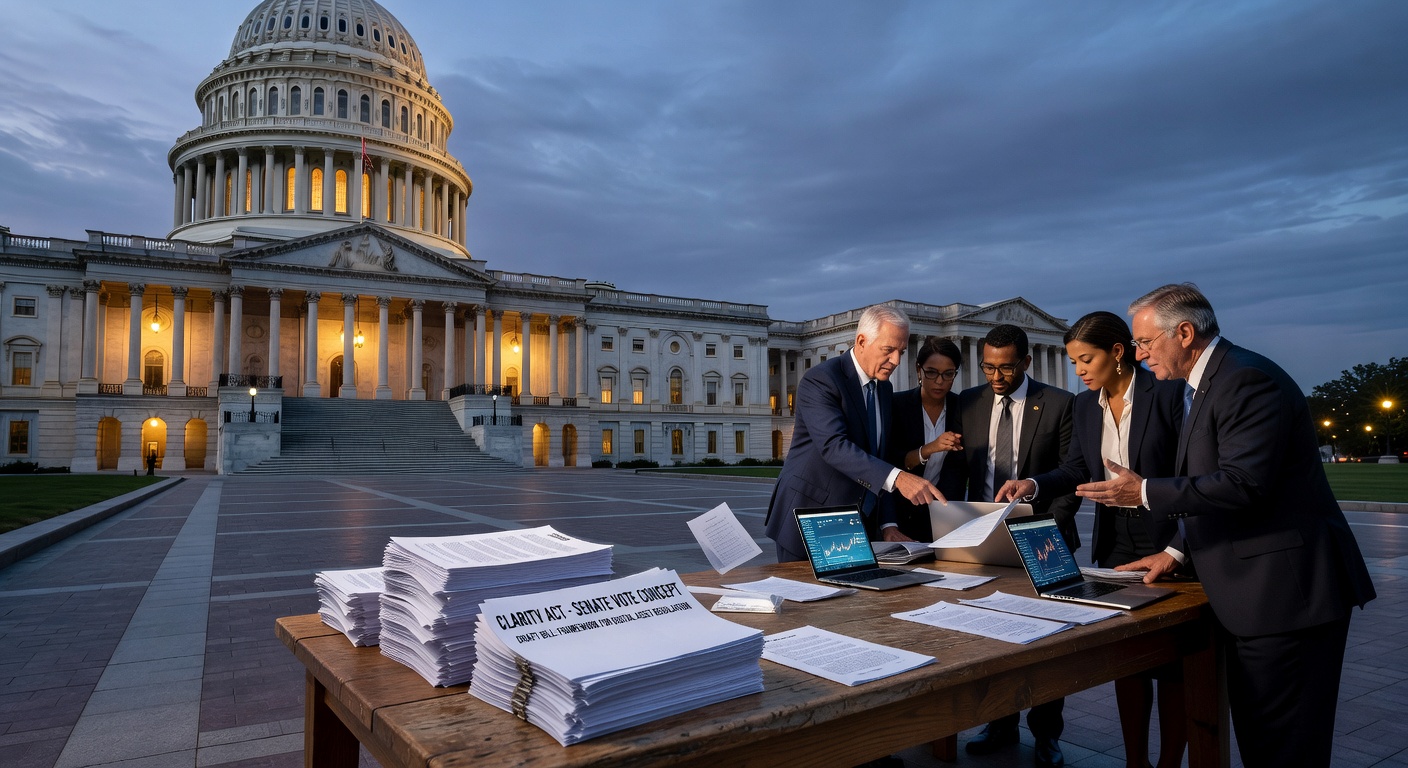
Photo: Unsplash / AI & Technology
The Digital Asset Market Clarity (CLARITY) Act is moving faster than most observers expected. Senator Lummis confirmed this week that the Senate Banking Committee markup is back on the calendar, targeting mid-April, with a full Senate floor vote potentially following before a May procedural deadline that could otherwise shelve the bill until 2027. Polymarket prediction markets currently assign 72% probability to the bill being signed into law in 2026, making it the single most anticipated binary event for crypto markets this year.
The CLARITY Act would establish a comprehensive regulatory framework for digital assets in the US, clarifying which tokens are securities versus commodities, and handing jurisdiction between the SEC and CFTC. Coinbase and Stripe have objected to provisions in the current text that restrict stablecoin yield offerings to bank-affiliated entities, creating a sticking point that could complicate bipartisan support. Senator Moreno has cautioned that failure to pass the markup before the May recess could kill the window entirely until after the 2026 midterms.
The stakes for the market are enormous. Analysts at Phemex estimate that CLARITY Act passage would act as a direct catalyst for DeFi tokens, exchange tokens, and compliant stablecoins — potentially unlocking institutional capital that has been sitting on the sidelines waiting for legal certainty. Ethereum would likely see disproportionate benefit given its role as the dominant DeFi settlement layer. A failure to pass, by contrast, would leave the US crypto industry in a prolonged regulatory grey zone, likely accelerating capital flows toward more permissive jurisdictions in Europe and Asia. Source: OpenPR | FinTech Weekly