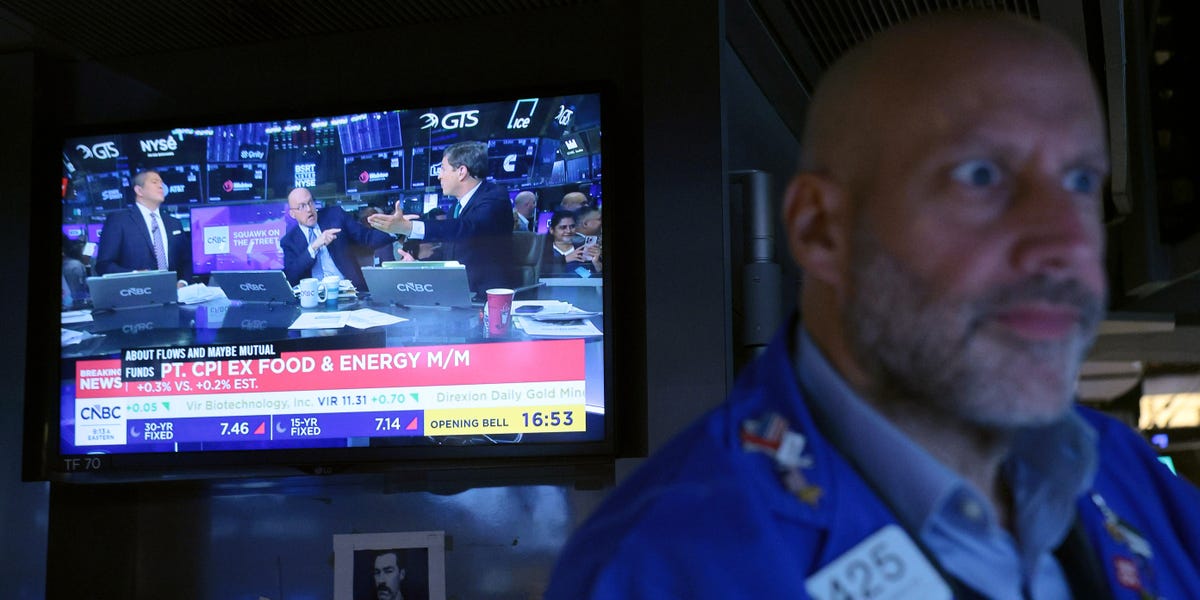
1. Bitcoin Falls Below $67K as Iran War Keeps Pressure On
Bitcoin opened Friday trading at $66,647, down roughly 0.36% from the previous session, extending a choppy week shaped almost entirely by macro and geopolitical forces. The Crypto Fear and Greed Index hit 9 — Extreme Fear, the lowest reading in months, as the broader crypto market cap slid 2.4% to $2.38 trillion.
The culprit is the same story it has been for weeks: the ongoing US-led military campaign against Iran, and President Trump's signals that strikes could intensify if the Strait of Hormuz remains blocked. When oil stays above $100, inflation expectations stay elevated, the Fed stays hawkish, and risk assets like Bitcoin stay under pressure. BTC has fallen more than 20% year-to-date after peaking near $97,000 in early 2026.
Options traders added to the cautious tone. A large position in Bitcoin put contracts targeting a drop below $66,000 was spotted ahead of a $2.15 billion Deribit options expiry on April 3, with the max pain level near $68,000 — a level BTC has struggled to reclaim. Until macro conditions shift, Bitcoin is likely to stay rangebound between $65,000 and $70,000.

Bitcoin has lost more than 20% year-to-date as geopolitical pressure and macro headwinds keep risk appetite suppressed
2. MARA Cuts 15% of Workforce, Pivots to AI Infrastructure
Bitcoin miner MARA Holdings is laying off approximately 15% of its employees across multiple departments as it shifts strategic direction away from pure-play Bitcoin mining toward AI and high-performance computing infrastructure. The restructuring follows a quarter in which MARA sold 15,133 BTC for roughly $1.1 billion, reducing its Bitcoin treasury from 53,822 to 38,689 coins and ceding its corporate BTC ranking to Metaplanet.
The layoffs are part of a broader pattern. Riot Platforms disclosed it sold 3,778 BTC in Q1 2026. Genius Group liquidated its entire 84.15 BTC treasury on April 1. Nakamoto Holdings trimmed reserves by 284 BTC in March. The message from the mining sector is clear: with Bitcoin down from its highs and energy costs still elevated, the pure mining model is under serious strain, and companies that can pivot to higher-margin AI compute businesses are doing so fast.
For traders, the sell pressure from miners offloading Bitcoin has been a consistent headwind. CryptoQuant reported Bitcoin's apparent demand fell to negative 63,000 coins as of late March. Until miner selling slows or spot demand picks up meaningfully, that is a structural drag on price.
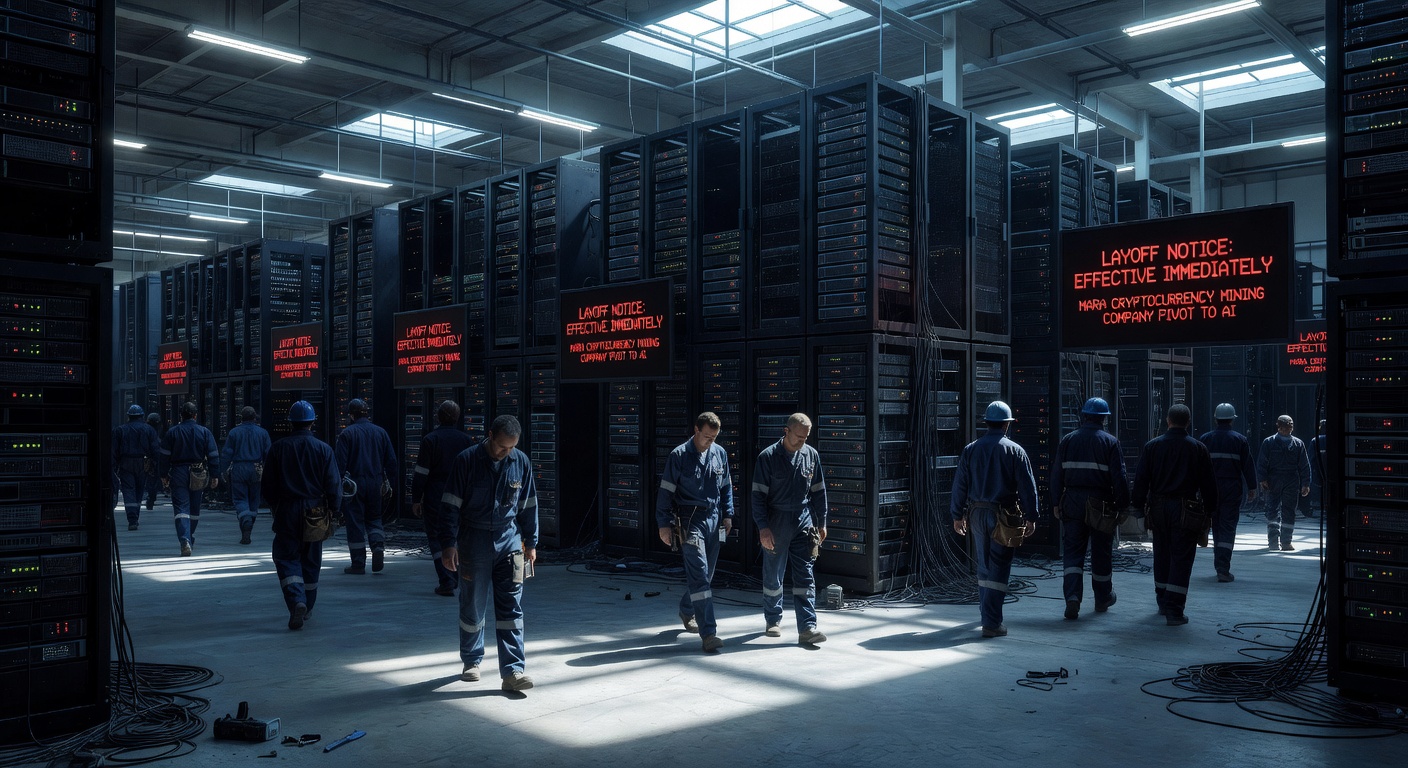
MARA Holdings joins a growing list of Bitcoin miners selling reserves and cutting costs as the mining industry restructures
3. CLARITY Act Stablecoin Bill Faces Narrow Window Before Midterms
The CLARITY Act — the US Senate's flagship crypto market structure legislation — is entering a critical stretch. The Senate Banking Committee has targeted late April for formal markup, but key disagreements remain: stablecoin yield provisions, bank custody rules, and the scope of regulatory authority are all still unresolved. With the Senate on recess through April 9, lawmakers have a compressed window to align before the bill risks dying ahead of the November 2026 midterms.
The stablecoin yield debate is the thorniest issue. Banks and some lawmakers want stablecoins to be prohibited from paying yield — treating them more like deposits. Crypto industry participants argue yield-bearing stablecoins are essential to DeFi and any ban would push activity offshore. Industry and banking representatives were shown revised compromise language this week, but reception has been mixed.
In parallel, the US Treasury is seeking public input on implementing the GENIUS Act — a separate stablecoin regulation framework that was signed earlier in the year. Tether's VP of regulatory affairs Jesse Spiro was named chairman of the Fellowship PAC, the $100M+ pro-crypto political spending group, underscoring how seriously the industry is taking the regulatory fight. If the CLARITY Act doesn't advance out of committee before May, analysts say its chances of passing before the August Congressional recess are essentially zero.
4. SoFi Launches 24/7 Crypto-Fiat Banking Hub
SoFi Technologies announced the launch of Big Business Banking, a regulated platform that lets companies hold dollars, convert to stablecoins, and move money around the clock — all within a single bank account. Partners already signed on include Mastercard, Cumberland, Wintermute, Galaxy, BitGo, Bullish, Fireblocks, B2C2, Jupiter, and Mesh, covering the full spectrum from institutional trading desks to DeFi infrastructure providers.
The practical pitch is straightforward: crypto-native businesses have always had to juggle separate banking relationships for fiat and crypto, with painful settlement delays between them. SoFi's platform collapses that into one regulated account, letting companies settle crypto transactions without leaving the banking system. SoFi has also issued its own stablecoin, SoFiUSD, which plugs directly into the platform.
This is one of the most concrete examples yet of traditional banking infrastructure absorbing blockchain rails rather than competing with them. If it scales, it becomes a model for how regulated banks can offer crypto services without the compliance headaches that have kept most major banks on the sidelines. Want to trade crypto with lower fees while this infrastructure builds out? Bybit remains one of the most liquid platforms for spot and derivatives trading in the meantime.

SoFi's Big Business Banking platform merges regulated banking with stablecoin infrastructure — a milestone for TradFi-crypto integration
5. SOLV Spikes 27% as Altcoin Market Stays Mixed
While Bitcoin and Ethereum logged losses on the day — BTC down ~1.3%, ETH down ~2.6% — Solv Protocol's SOLV token surged 26.84% to $0.004849 on volume of $348 million. The move follows Solv's ongoing Bitcoin staking narrative: the protocol lets users deposit BTC into yield-bearing vaults, then deploys that capital across DeFi strategies. With BTC spot demand weak, some holders are turning to protocols that put idle Bitcoin to work rather than selling.
Algorand also caught a bid, up 7.68%, likely related to ongoing development activity around institutional DeFi use cases. XRP slipped 1.57% as the broader market softened, while BNB dropped 3.75% — one of the larger declines among major assets. The total crypto trading volume for the day sat around $105 billion, in line with recent averages but well below the $150–200 billion levels seen during peak market activity in late 2025.
The broader altcoin picture remains bifurcated: projects with clear utility narratives and active ecosystems are holding up or gaining, while speculative assets with less fundamental backing are seeing selling. In an extreme fear environment with macro headwinds, that is the expected pattern — capital concentrates in the top assets and high-conviction narratives while everything else bleeds.