North Korean Hackers Behind $285M Drift Heist -- A Six-Month Intelligence Operation

Source: TRM Labs / CCN
TRM Labs published its full attribution report this weekend confirming that the April 1 Drift Protocol exploit was carried out by North Korean state-sponsored hackers. The $285 million drain from the Solana-based perpetual futures exchange took roughly 12 minutes to execute -- but the groundwork was laid over six months. Attackers posed as a legitimate trading firm, met Drift contributors in person across multiple countries, and cultivated relationships long enough to gain access to an admin key. The on-chain staging began March 11, nearly three weeks before the April 1 execution.
The attack combined a fake token, oracle manipulation, and the compromised admin key. The attackers minted 750 million "CarbonVote Tokens" (CVT), seeded a Raydium liquidity pool with roughly $500, and used wash trading to build a price history near $1. Oracles indexed the fabricated price. On April Fool's Day, the compromised admin key listed CVT as valid collateral on Drift, and the attackers borrowed at scale against it. Drift's TVL collapsed from $550 million to under $300 million in under an hour. The DRIFT token fell 40%. Most stolen funds were bridged to Ethereum within hours of the drain.
Lazarus Group has now stolen more than $3 billion from crypto protocols since 2022. This attack stands out not for its technical sophistication but for its patience: six months of social engineering across multiple countries before a single on-chain transaction. DeFi security has generally focused on smart contract audits and multi-sig setups -- the human infiltration vector is harder to audit and has now been used to devastating effect twice in 12 months. The Q1 2026 DeFi hack total, including Drift, now stands at $501 million lost across all incidents.
SEC Schedules First CLARITY Act Roundtable for April 16
Source: SEC.gov
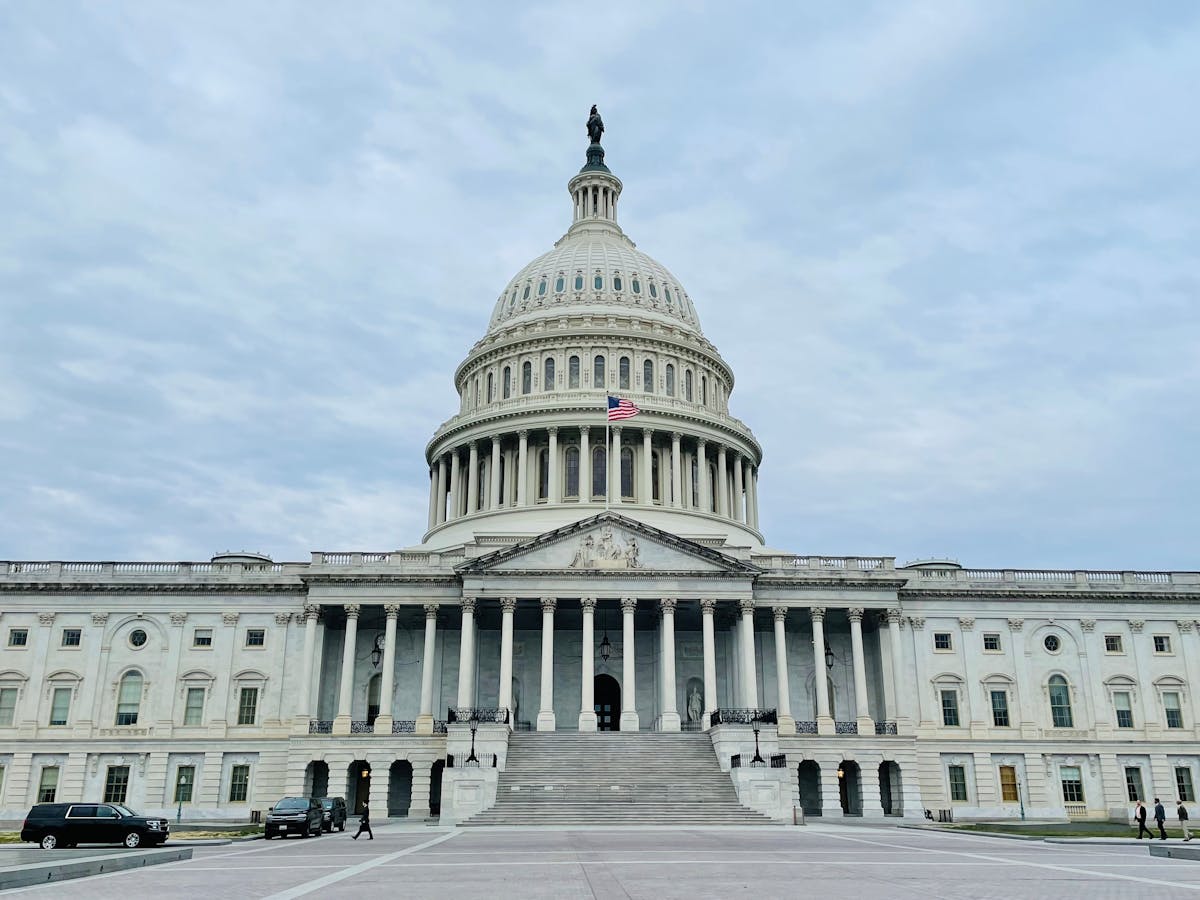
The Securities and Exchange Commission announced this week that it will hold a public roundtable on April 16 to discuss how federal securities laws apply to crypto assets -- the first formal step toward implementing the CLARITY Act. Chairman Paul Atkins, who replaced Gary Gensler in January, framed the event plainly: "This is what regulatory agencies are supposed to do: draw clear lines in clear terms." The roundtable will bring together industry participants, legal counsel, and regulators to begin mapping which digital assets qualify as securities under existing law and which fall to CFTC jurisdiction as commodities.
The CLARITY Act itself has been working through Congress for over a year. The legislation would formally divide oversight between the SEC and CFTC based on a digital asset's decentralization and use case -- ending the ambiguity that has left exchanges, token issuers, and institutional investors operating in legal limbo since the 2022 crackdowns. An SEC-initiated roundtable signals the Commission intends to move forward administratively on classification even if the legislative process takes additional months.
For crypto markets, regulatory clarity has been the most frequently cited prerequisite for the next phase of institutional adoption. The biggest funds -- pension managers, endowments, sovereign wealth funds -- have been slow to allocate in part because compliance teams cannot get a clean opinion on whether holding specific tokens creates securities law exposure. A defined framework, even one with strict requirements, removes that uncertainty. The April 16 date is worth marking: it could be the start of the process that finally answers the question the industry has been asking since 2017.
Fed Rate Hike Odds Hit 52% -- A Complete Reversal from January

Source: CNBC
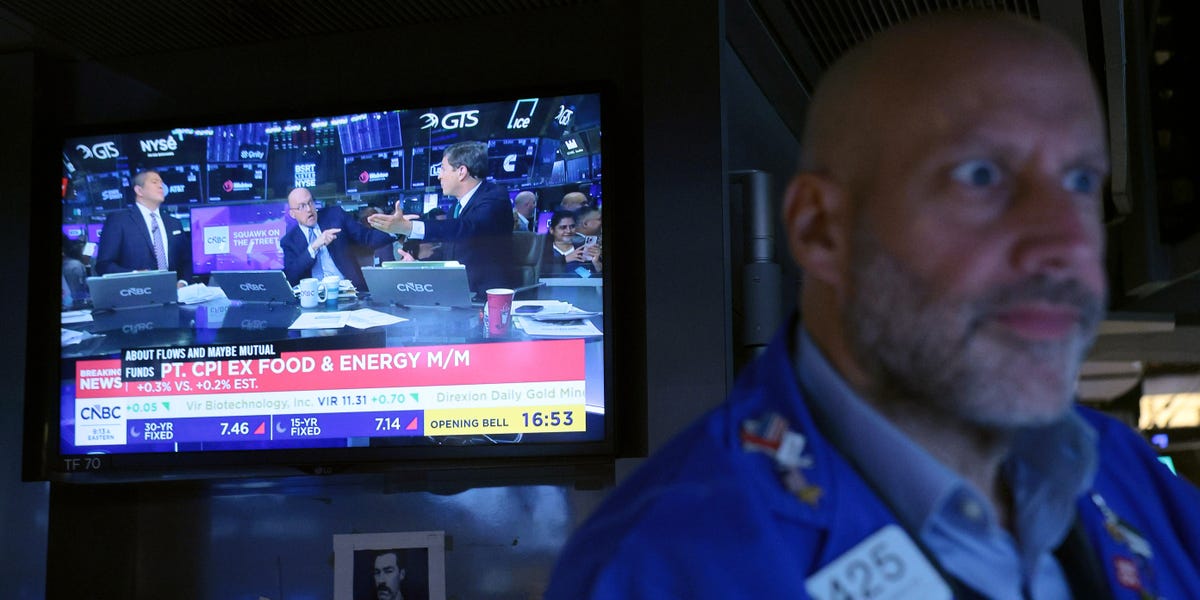
Three months ago, consensus called for two to three Fed rate cuts in 2026, with the first expected in Q2. As of this week, traders are pricing a 52% probability that the Fed's next move is a rate hike -- the first tightening since 2023. The driver is oil: WTI above $110 for the better part of a month is feeding directly into inflation expectations, and tariff-driven import costs are compounding the pressure. With Core PCE still above 3% and gasoline prices rising again at the pump, the inflation math has turned against the cut case.
Powell's term as Fed Chair ends in May 2026, adding transition risk on top of the inflation problem. The incoming chair will inherit an economy where headline CPI is re-accelerating on energy, tariffs are filtering through to goods prices, and GDP growth is softening as consumer spending weakens under the same cost pressures. That combination -- rising prices alongside slowing growth -- is the scenario where conventional monetary policy offers no clean answer. Cutting feeds inflation; hiking accelerates the slowdown.
For crypto specifically, a rate hike would reset the 2026 macro thesis from the ground up. Bitcoin and risk assets have been under pressure from "higher for longer" expectations since January. An actual tightening move -- not just the threat of one -- would validate the most bearish macro read: that the post-2024 bull cycle is being strangled by energy inflation and fiscal excess rather than ended by regulatory crackdown. The 52% pricing is not alarmist fringe opinion; it reflects genuine disagreement among Fed watchers about which mandate -- price stability or employment -- takes priority when both are at risk.
Liberation Day One Year On: Investors Rethinking US Exceptionalism

Source: CNBC
April 2, 2025 -- Trump's "Liberation Day" tariff announcement -- is now a year in the rearview mirror. CNBC reports this week that global institutional investors are quietly reducing structural overweights to US assets, unwinding a decade-plus of the "US exceptionalism" trade that saw American equities and the dollar outperform nearly everything else. The process is gradual rather than panicked, but the direction has shifted. European and Asian fund managers who spent 2023 and 2024 chasing US equity outperformance are now diversifying toward domestic and regional alternatives.
The tariff regime that began with Liberation Day has been described by economists as the largest US tax increase as a share of GDP since 1993. Businesses and consumers have absorbed roughly 90% of the costs -- the burden has not fallen on foreign exporters as the administration claimed. Average household tax impact from tariffs is estimated at $1,500 in 2026. Several sectors -- automotive, consumer electronics, agriculture -- have been hit disproportionately as trading partners enacted retaliatory measures. The Tax Foundation estimates current tariff rates amount to an average effective tariff rate of around 22%, the highest since the 1930s.
The crypto implication is worth examining. In theory, a sustained erosion of confidence in dollar-denominated assets is exactly the environment where Bitcoin as a non-sovereign store of value should benefit. In practice, BTC has correlated with equities throughout 2026, selling off alongside risk assets rather than catching safe-haven flows the way gold has. Whether that correlation breaks down in a sustained dollar-weakness environment remains the central unresolved question in the Bitcoin macro thesis heading into Q2.
Japan Exchange Group Bars Crypto-Heavy Firms from Major Indices

Source: Reuters
The Japan Exchange Group (JPX) confirmed this week that companies holding more than 50% of their balance sheet in cryptocurrencies will not be eligible for inclusion in Japan's major stock indices. The ruling is a direct response to the wave of corporate Bitcoin treasury strategies that took hold globally in 2025 and 2026, following the MicroStrategy playbook. Several Japanese firms that converted significant balance sheet assets to BTC now face the prospect of index exclusion -- a meaningful structural cost, since index inclusion drives passive fund inflows and broad institutional ownership.
The JPX decision mirrors a review underway at S&P Dow Jones Indices in the US, which has been wrestling with the same question: how to classify companies that have effectively become Bitcoin proxy vehicles while maintaining a publicly traded operating business. MicroStrategy, the most prominent example, holds over 500,000 BTC and trades as a leveraged Bitcoin instrument in everything but name. Index providers designed around the principle of diversified business enterprise exposure are increasingly uncomfortable with that structure inside their benchmarks.
The tension the JPX is resolving is real. A company whose primary economic activity is holding a single volatile asset is economically closer to a closed-end fund than an operating company, regardless of its legal structure. By drawing the line at 50% crypto concentration, JPX is setting a precedent that other major index providers -- FTSE Russell, MSCI, S&P -- are watching closely. Boards pursuing aggressive Bitcoin accumulation strategies now need to factor index exclusion risk into the calculation alongside the accounting, regulatory, and volatility considerations they already weigh.
Markets Wrap: Five Stories That Actually Moved the Needle This Week
The price action on April 6 -- Bitcoin up 2.8%, oil at $113, equities flat -- is the surface. The stories underneath are what shape the next 90 days. The Drift hack raises the DeFi security bar again and reminds institutions why custody and counterparty selection matter. The SEC roundtable date gives crypto a concrete regulatory milestone to price. The Fed rate hike probability shift is the macro story nobody wants to say out loud. Liberation Day's anniversary reframes the trade war as a permanent structural change rather than a negotiating tactic. And JPX's index decision signals that corporate Bitcoin treasuries come with real institutional costs attached. Take all five together and the picture is a market navigating more moving parts simultaneously than at any point since the 2022 bear market bottom.