1. Bitcoin tests $70,000 as ETF demand keeps stepping in
Source: CoinDesk
Bitcoin briefly touched $70,000 on Tuesday before slipping back into the high $68,000s, a move that captured the split mood across crypto right now. One side of the tape is clearly constructive: U.S. spot bitcoin ETFs just pulled in $471 million on April 6, the strongest daily inflow since late February and the sixth largest of 2026. That flow is real institutional money, and it is still showing up even while retail demand looks hesitant.
The problem is that crypto is still trading inside a macro battlefield. CoinDesk noted that weak organic demand, slower treasury buying, and heavier downside hedging below $68,000 are keeping the structure fragile. The market is acting like it wants to front-run easier policy later in the year, but oil above $110 and fresh Iran headlines are making that a hard story to fully price today. For now, ETF demand is preventing a clean breakdown, but it is not yet strong enough to force a trend change on its own.
The bigger read is that bitcoin is holding up better than you would expect in a market this tense. That matters. When a risk asset refuses to fully crack under ugly macro conditions, it usually means there is patient capital underneath it. Traders still need to respect the fragility, but the $70,000 test was not random noise.
2. Oil climbs again as Trump's Iran deadline nears

Source: CNBC / Getty Images
Crude pushed higher again on Tuesday after Trump escalated his rhetoric toward Iran ahead of his 8 p.m. ET deadline for reopening the Strait of Hormuz. CNBC reported WTI at $113.87 and Brent near $109.70 in afternoon trading, with the market still trying to figure out whether the next move is a late diplomatic compromise or another round of escalation. That uncertainty is why every asset class feels jumpy. Energy is no longer a side story. It is the center of the board.
The supply shock remains severe. Tanker traffic through Hormuz has improved from March's extreme lows, but it is still far below prewar levels. That means even if a deal emerges tonight, real barrels will not instantly flood back into the system. S&P Global data cited by CNBC showed only eight tankers transited Monday, versus roughly 20 million barrels per day in 2025 before the conflict. Markets hate nothing more than a supply chain that is technically moving but still functionally broken.
This is where crypto and traditional markets reconnect. Oil above $110 keeps inflation pressure alive, compresses the odds of near-term Fed easing, and drags on broad risk appetite. That backdrop helps explain why bitcoin can attract ETF inflows and still fail to hold a breakout. Macro is not whispering. It is screaming.
3. Federal stablecoin rules move one step closer

Source: CoinDesk
The FDIC formally proposed its stablecoin issuer framework on Tuesday, bringing the GENIUS Act much closer to actual operating rules. The proposal covers capital, liquidity, custody, and reserve treatment for depository institutions that want to issue stablecoins through subsidiaries. It also makes one thing explicit: these tokens are not getting deposit insurance. That line matters because it kills a lot of lazy marketing before it starts.
The more interesting fight is around rewards and yield. The agency signaled that issuers cannot promise interest or yield simply for holding a payment stablecoin, including via third-party arrangements. That still leaves room for carefully designed incentive programs, but the easy version of the stablecoin growth pitch keeps getting squeezed. Washington is not trying to ban the model. It is trying to domesticate it.
This is bullish in the boring way regulation can be bullish. Clear rules narrow the fantasy upside, but they also lower institutional hesitation. Stablecoins are becoming infrastructure, not a policy gray zone. That is healthier for the sector even if it annoys the people who preferred the old ambiguity.
4. FBI says Americans lost $11.4 billion to crypto scams in 2025
Source: CoinDesk
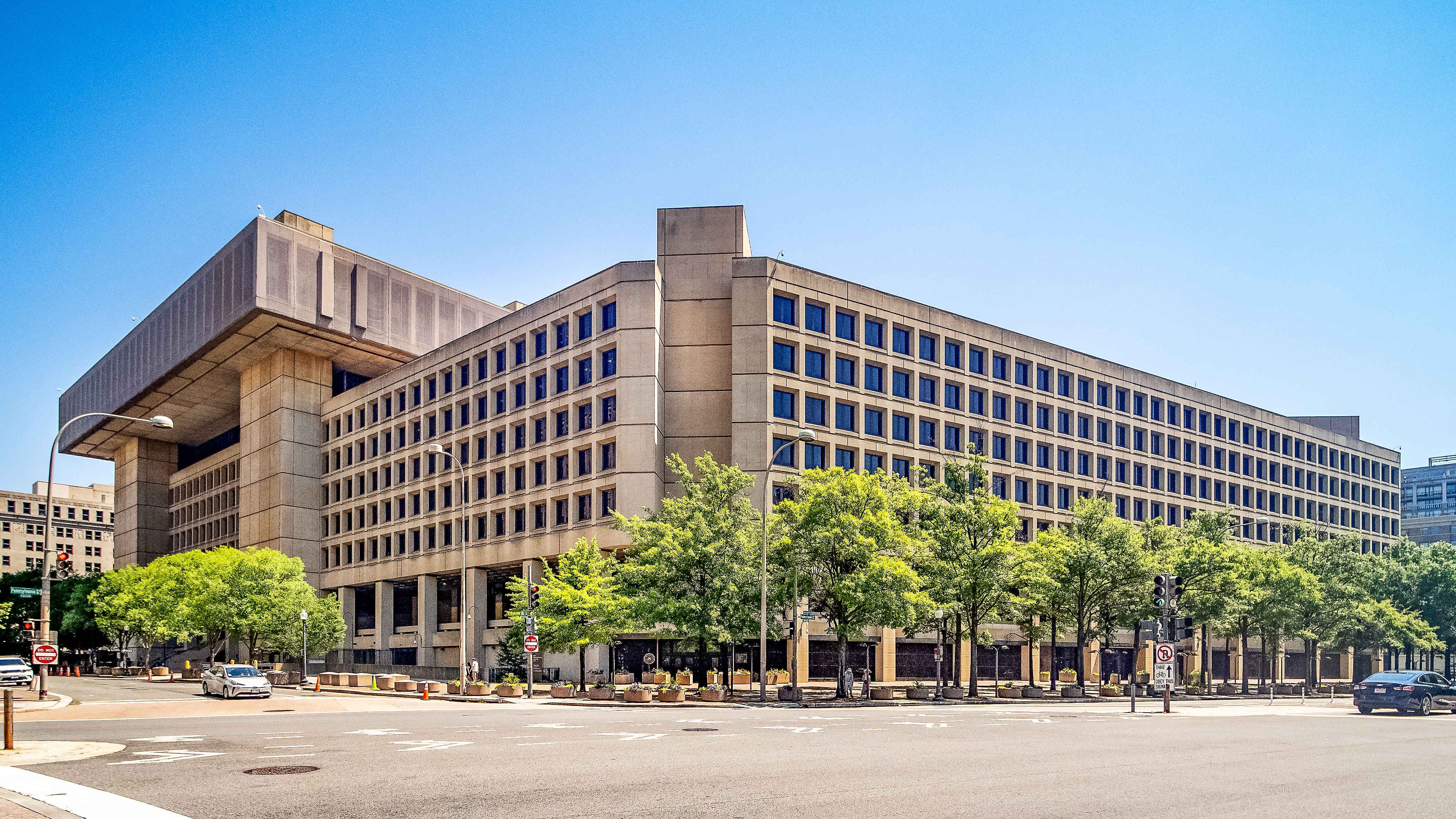
The FBI's latest IC3 report put a brutal number on crypto fraud: $11.4 billion in reported losses by Americans in 2025, up 22% from the year before. Complaints involving crypto rose to 181,565, and the average loss per case hit more than $62,000. Nearly 18,600 complainants lost over $100,000 each. These are not small speculative mistakes. In many cases, this is retirement-money devastation.
The bureau said the schemes are increasingly sophisticated and often tied to organized criminal groups in Southeast Asia that use trafficked labor to run industrialized scam operations. That tracks with what the rest of the industry has been seeing. The scam economy is no longer a collection of random fraudsters in Telegram chats. It is structured, scaled, and adaptive, with AI impersonation and exchange spoofing now overtaking older attack methods.
This story matters for markets because fraud is a tax on adoption. Every billion lost slows mainstream trust, invites harder regulation, and raises the cost of onboarding the next wave of users. Crypto keeps talking about institutional maturity, and fair enough, but consumer protection is still lagging badly. That gap is becoming impossible to ignore.
5. Asian markets swing as traders price another day of Iran risk

Source: CNBC / Getty Images
Asia-Pacific markets traded mixed on Tuesday as investors tried to price the same question hitting oil and crypto: is tonight the start of de-escalation, or just another step deeper into the conflict? CNBC reported WTI around $115 during the Asian session, while equities whipsawed across the region. Australia's ASX 200 gained 1.74%, South Korea's Kospi rose 0.82%, Japan's Nikkei barely moved, and smaller growth names stayed under pressure.
That split makes sense. Higher energy prices help some value-heavy and commodity-linked markets, while growth-sensitive sectors keep struggling with the inflation and rate implications. Investors are not trading one clean geopolitical thesis. They are trading second-order effects, from utilities and defense to industrials, freight, and consumer demand. The line from Gulf shipping disruption to Asian equity allocation is shorter than people think.
The market takeaway is simple: nobody trusts the calm. Headlines can flip futures in minutes, but positioning is telling you traders expect this volatility to stick around. Until Hormuz traffic normalizes and oil cools down, risk assets are going to keep trading with one eye on price and the other on the newswire.
Bottom line
April 7 was one of those sessions where crypto and traditional markets told the same story in different accents. Bitcoin's ETF bid is real, but it is running into a macro wall. Oil is still the fastest messenger for geopolitical risk. Stablecoin regulation is getting more concrete, fraud is still doing massive damage, and equity traders across Asia are positioning for a world where the Iran shock does not disappear overnight.
That is the board heading into the next headline cycle. If oil cools and diplomacy lands, crypto probably gets room to breathe. If not, every rally in risk assets will keep looking provisional.