Evening Snapshot — 19:00 UTC
There are days that reconfigure the geopolitical map. Thursday, March 19, 2026 was one of them. A cascade of events — Israel striking the world's largest natural gas field, Iran retaliating against Qatar's LNG megahub, Trump threatening to obliterate South Pars entirely — compressed months of escalation risk into a single trading session. Brent crude briefly touched $119 intraday before settling around $114. WTI lagged at $98. The Brent-WTI spread blew out to roughly $16-18 per barrel, an 11-year record. European gas soared 35%. This is what an energy supply shock looks like in real time.
- BTC: $69,803 (-1.72% 24h)
- ETH: $2,123.85 (-2.53% 24h)
- Gold (XAU/USD): $4,589 (pulled back from $5,012 highs)
- Brent Crude: $114.64 (+7% intraday, briefly $119)
- WTI Crude: $98.34 (+1%)
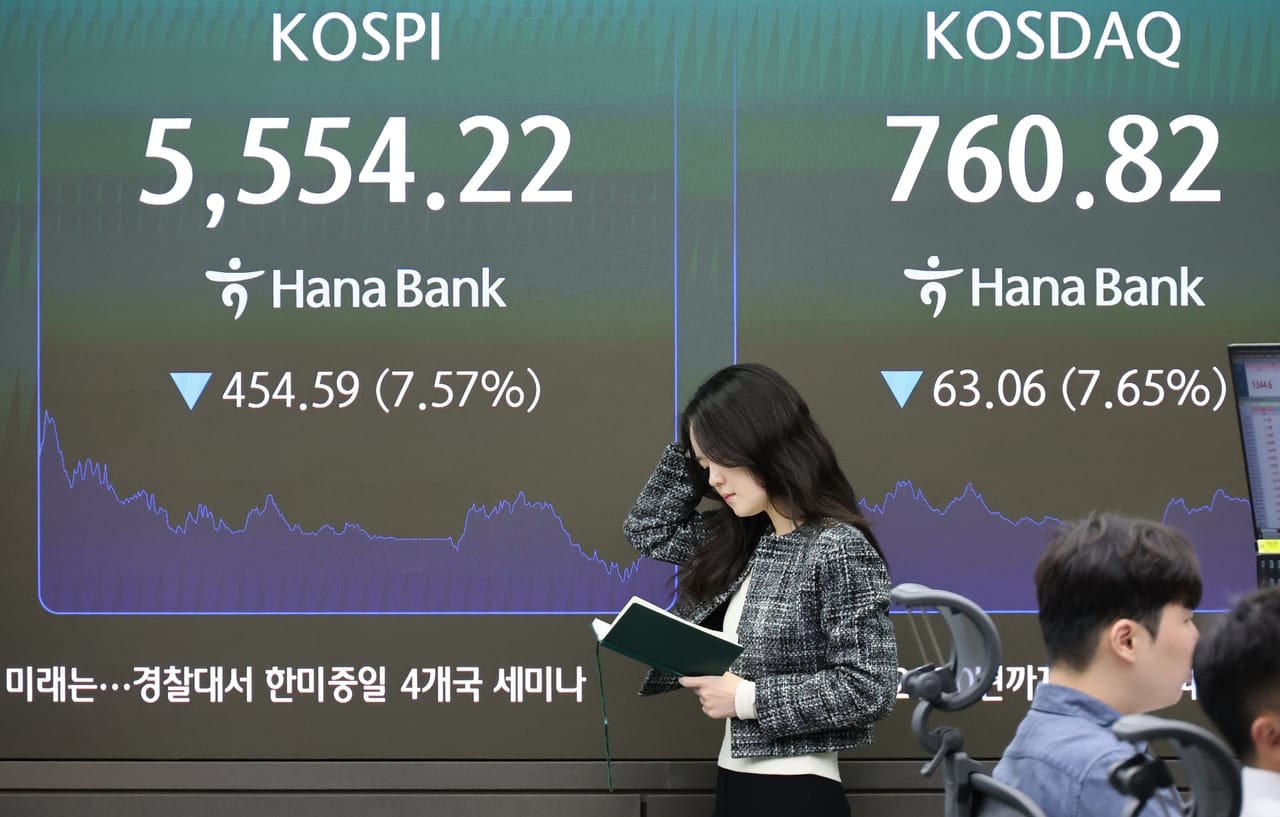
- S&P 500: ~6,640 (-0.9%), near year-to-date lows
- Fear & Greed Index: 23 — Extreme Fear
The Strike on South Pars and What It Means
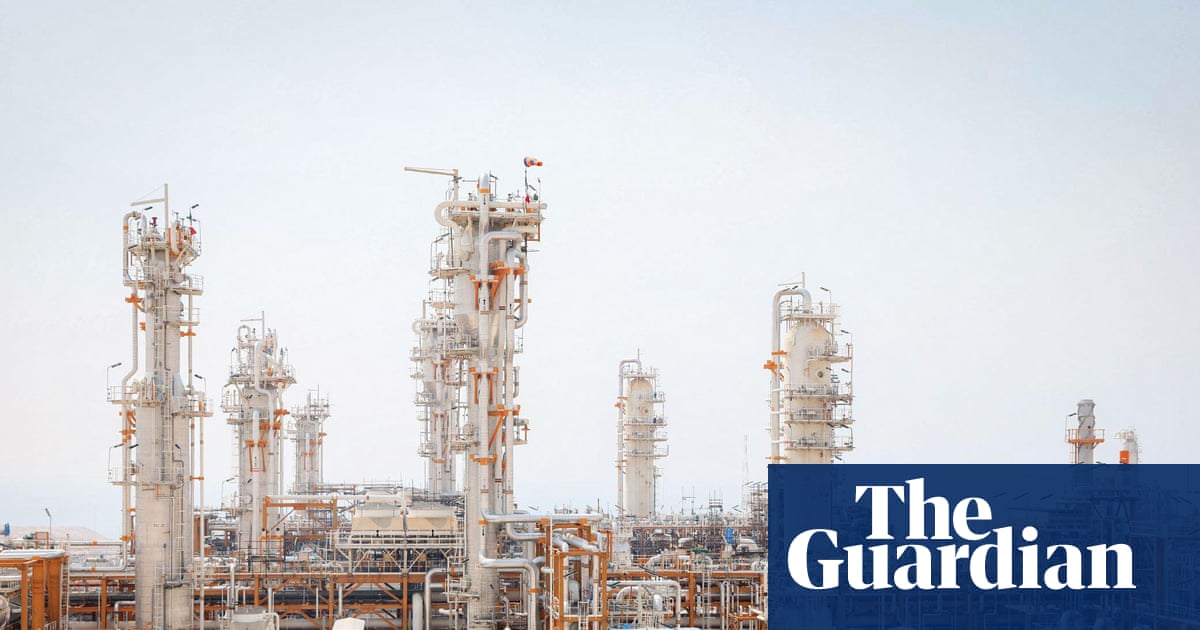
Early Wednesday (UTC), Israeli forces struck Iran's South Pars gas field — the world's largest natural gas reservoir, which Iran shares with Qatar. South Pars accounts for roughly 8% of proven global gas reserves. Iran's president responded immediately, warning of "uncontrollable consequences" and authorizing IRGC retaliatory strikes on Gulf energy infrastructure.
This was not a symbolic attack. South Pars is the backbone of Iran's energy export income and a critical node in global LNG supply chains. A former head of strategy at BP described the strike to the BBC as opening "a Pandora's box." Iran's threat list had been circulating for weeks; by Wednesday night, it was being executed.
One detail that matters: Trump later posted on social media that Israel struck South Pars without informing the United States or Qatar. This is significant. It means the U.S. had no advance warning, could not pre-position diplomatic responses, and Qatar — a key U.S. ally hosting the largest American military base in the region — was caught flatfooted before its own energy infrastructure was targeted.
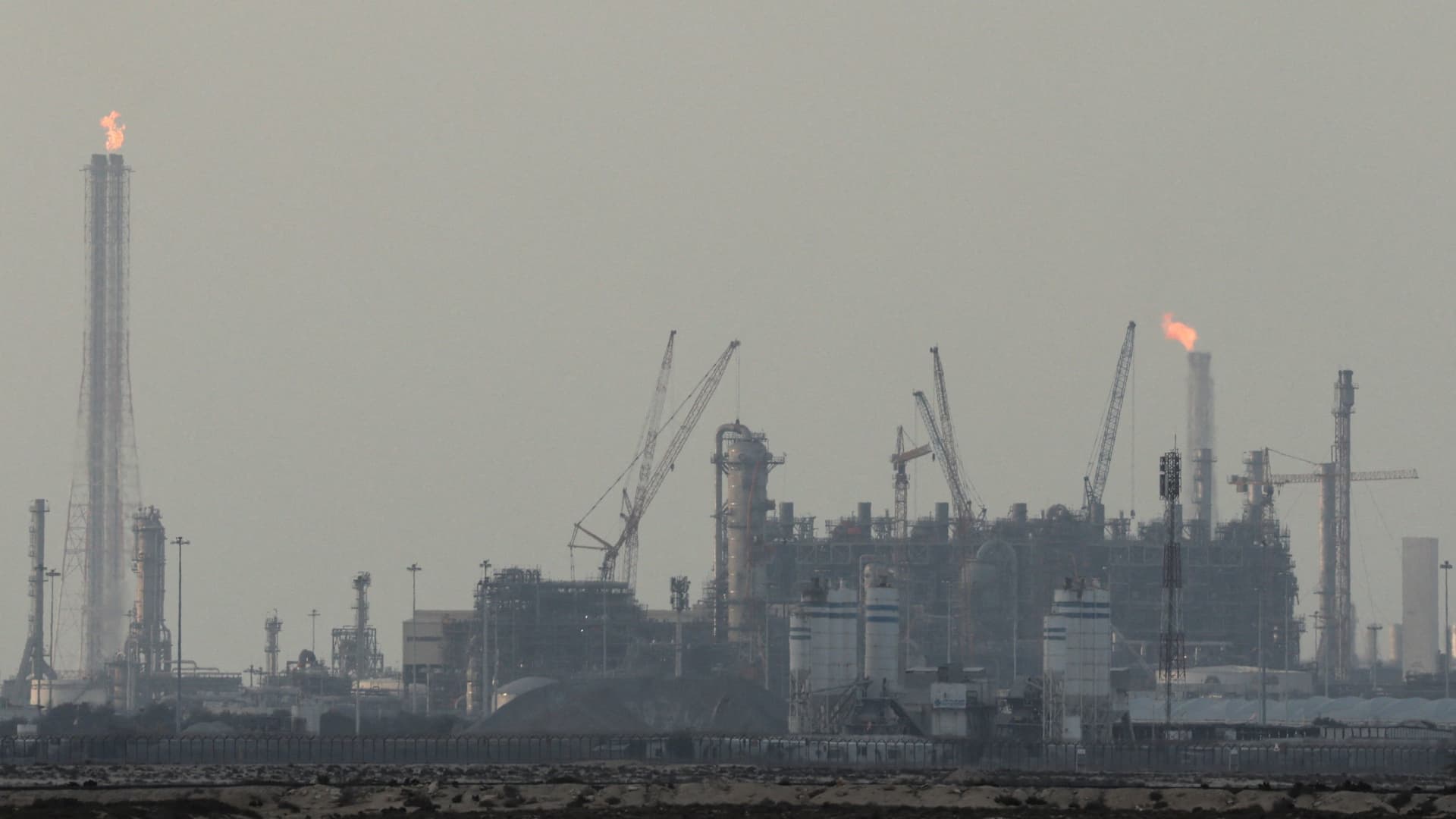
Ras Laffan Industrial City, Qatar — the world's largest LNG export facility — hit by Iranian missile strikes on March 18-19, 2026. (The Guardian / Reuters)
Iran's Retaliatory Strikes Across the Gulf
Tehran's response was broad and deliberate. IRGC forces struck four major targets across three countries:
- Qatar — Ras Laffan Industrial City: The world's largest LNG export facility sustained "extensive damage," per QatarEnergy's own statement. CEO Saad al-Kaabi confirmed that 17% of Qatar's LNG export capacity was taken offline. Emergency crews battled fires at the complex for hours before the Interior Ministry declared the blaze controlled. Qatar is the world's second-largest LNG exporter after the U.S., supplying roughly a fifth of global LNG shipments.
- UAE — Habshan Gas Field and Bab Oil Field: IRGC missiles struck two critical energy installations in Abu Dhabi. Habshan is one of the UAE's main gas processing hubs; Bab is a significant onshore oil field. Damage assessments are ongoing.
- Saudi Arabia — Unspecified Energy Targets: Saudi targets were also struck. Riyadh confirmed the attacks and described its trust in Iran as "completely shattered." Saudi Arabia is on full alert across its energy infrastructure.
Qatar responded diplomatically within 24 hours, expelling Iranian security and military attaches and declaring them persona non grata. The foreign ministry called the attack "a direct threat to Qatar's national security" and an "irresponsible approach." Given Qatar's historically neutral diplomatic posture, this expulsion is extraordinary.
Trump's Threat: "Massively Blow Up the Entirety of South Pars"
President Trump posted on social media Thursday morning, addressing Iran directly. His message was unambiguous: if Iran continued attacking Qatari LNG facilities, the United States would "massively blow up the entirety" of South Pars. He also noted that Israel had acted without notifying Washington — a public rebuke of an ally in the middle of an active conflict.
The threat carries real weight. South Pars is not just an Iranian asset; its destruction would remove a meaningful share of global gas reserves from play indefinitely. Markets treated the statement as both a deterrent signal and an escalation risk — exactly the kind of ambiguity that drives volatility premiums higher.
Nick Butler, former head of strategy at BP, summarized the market concern plainly in a BBC interview: "I think the worry now is that the market is expecting things to get worse. Mr Trump has opened a Pandora's box, and he's lost control of what is happening day-to-day in the region."
Oil: $114 Brent, $98 WTI, and an 11-Year Spread Record
Brent crude surged nearly 7% on Thursday, briefly touching $119.00 intraday — a level not seen since the 2022 Ukraine energy shock — before settling around $111-114. WTI, tracking relatively stable U.S. supply, added just 1% to reach $97-98. The divergence between the two benchmarks tells the real story: the disruption is seaborne, and the U.S. is partially insulated by domestic production.
The Brent-WTI spread blew out to roughly $16-18 per barrel, an 11-year record. Physical markets are even more extreme: Oman crude was reportedly trading near $153 per barrel and Dubai at approximately $136. India's official crude import basket jumped to $146 on March 17, up 112% versus February's $69.
European TTF natural gas futures surged over 16.5% to 63.7 euros per megawatt-hour on Thursday, with the Iranian attack on Ras Laffan triggering a separate panic in LNG markets. Iran's attack on Qatar's LNG capacity sent European gas soaring 35% on the week.
JPMorgan cut its year-end S&P 500 target and warned that the oil price shock had not yet been fully priced into equities. Multiple analysts published notes suggesting Brent could reach $150 if the conflict extends through end of March — and OilPrice.com featured that scenario as a credible base case.
The Strait of Hormuz, which normally handles roughly 20% of global oil supplies, is operating under severe disruption. Tanker movements through the strait are largely blocked. Asia — India, Japan, South Korea — is scrambling for alternative supply routes, with Japan's Jera and others pivoting aggressively toward U.S. and Canadian LNG.
Aftermath of Israeli strikes on Iran's South Pars gas field, which Iran shares with Qatar. (AP Photo)
Yesterday's Fed Recap: One Cut, Inflation Not Cooperating
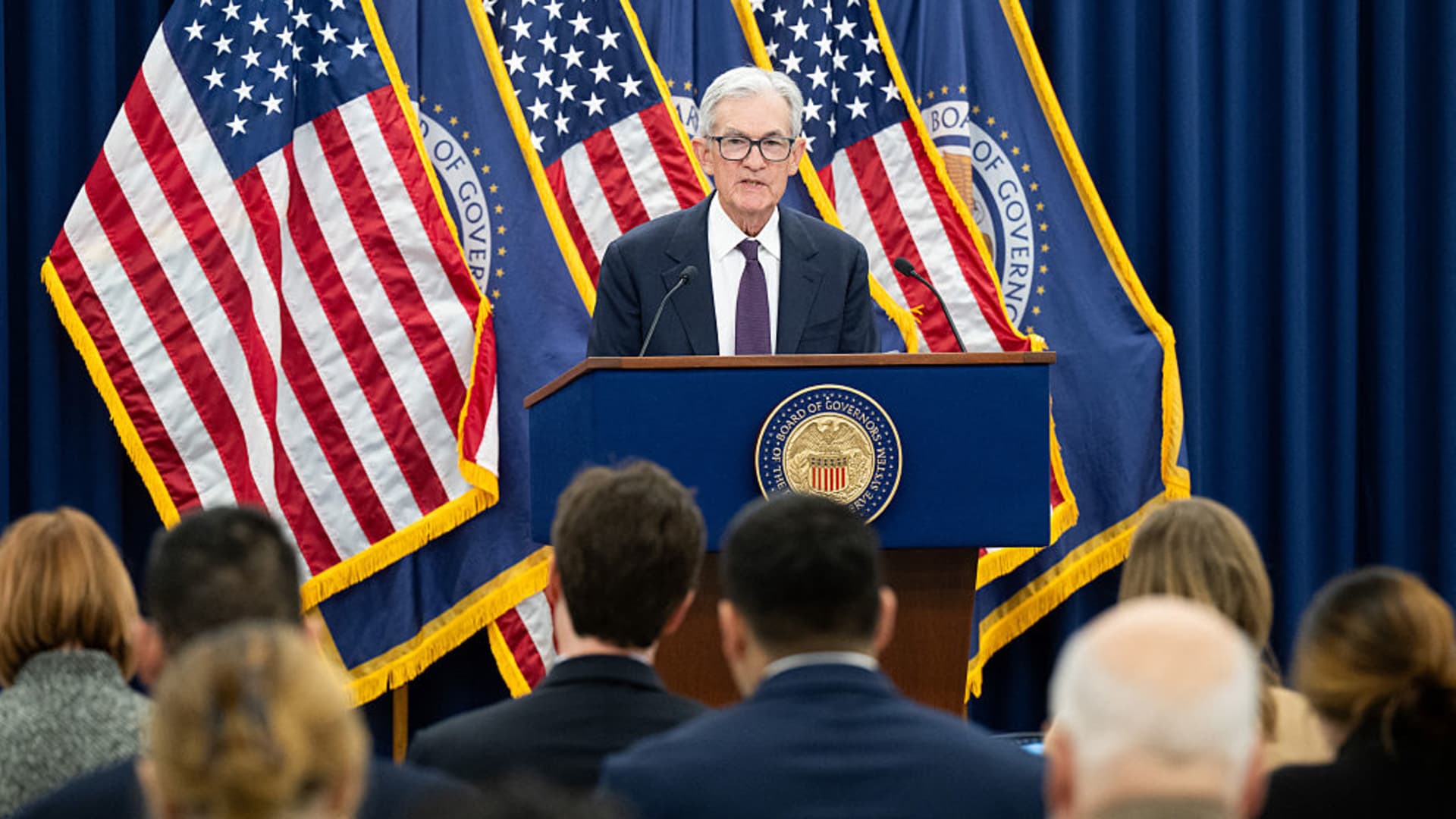
Wednesday's FOMC decision delivered exactly what the market expected on the policy rate — and then some on the hawkish side from the press conference. The Federal Reserve held at 3.5%-3.75%. The updated Summary of Economic Projections (dot plot) maintained the median forecast of just one 25 basis point cut in 2026. Inflation and growth forecasts were revised higher.
Chair Jerome Powell's key line: inflation is "not coming down as much as we had hoped." The Fed raised its headline PCE inflation forecast to 2.7% from 2.5% and kept its core forecast elevated. Powell explicitly flagged that rising energy costs from the Iran conflict will push near-term inflation higher — a dynamic that is now accelerating rapidly given Thursday's events.
One dissent: Governor Stephen Miran voted for a cut. Powell framed everything as data-dependent, but the market read the situation clearly — December 2026 is now the earliest realistic window for easing. Futures traders pushed the next cut out to at least December following the FOMC statement.
Markets reacted sharply on Wednesday. S&P 500 closed down 1.0%, Dow fell 604 points, and BTC extended losses to -4.9% on the day. Gold sold off from above $5,000 to $4,844 as the dollar strengthened and 10-year Treasury yields climbed toward 4.25%.
Yesterday's PPI: 0.7% — More Than Double the Forecast
Wednesday also brought the February Producer Price Index, and it was a clear miss. The BLS reported headline PPI up 0.7% month-over-month, versus the 0.3% forecast by Dow Jones economists — more than double expectations and an acceleration from January's 0.5%. Core PPI (ex-food and energy) rose 0.5%, also beating the 0.3% forecast.
On a 12-month basis, headline PPI came in at 3.4% — the highest since February 2025 — and core at 3.9%. Both significantly exceed the Fed's 2% inflation target.
The breakdown matters: services costs drove much of the upside, rising 0.5%. That's the component the Fed watches most carefully, since it isn't directly attributable to tariffs or energy. Portfolio management fees jumped 1.0%, securities brokerage and investment advice costs accelerated 4.2%. Goods prices rose 1.1%, with food up 2.4% (fresh and dry vegetables soared 48.9%) and energy up 2.3%.
This data preceded any impact from the Gulf conflict. The March readings — which will capture oil at $100-plus and LNG supply disruptions — will be significantly worse. The stagflationary scenario (high inflation + slowing growth) is no longer theoretical.
Bitcoin and Crypto: $69,803 in the Fear Zone
Bitcoin sits at $69,803, down 1.72% over 24 hours. The post-FOMC sell-off yesterday (-4.9%) found partial support at the $70,000 psychological level, but the market is fragile. Fear & Greed Index at 23 (Extreme Fear) reflects genuine investor capitulation across risk assets.
Ethereum is at $2,123.85, down 2.53%. The entire crypto market is trading as a correlated risk-off asset in this environment, with oil shock and Fed hawkishness providing no relief.
Key levels to watch on BTC: support at $69,500-$70,000, then $67,500-$68,000 if that breaks. Resistance at $72,500 and the more significant $74,000-$75,000 zone. Daily RSI is approaching oversold but has not crossed — not a buy signal yet, but the velocity of selling is slowing.
Gold: $4,589 — War Premium vs. Fed Headwinds
Gold is trading at approximately $4,589, down from the $5,012 highs that preceded the FOMC decision. The pullback reflects a classic dynamic: the hawkish Fed decision strengthened the dollar and raised the opportunity cost of holding gold, overriding the safe-haven bid from Gulf conflict escalation.
The conflict premium is real and not going away. Any further escalation — additional strikes, Strait of Hormuz closure, or Saudi infrastructure damage — would reverse the gold selloff rapidly. Technically, $4,800 is the first resistance target, with the $5,000 round number as the key breakout level. Below, $4,500 and the 20-day moving average around $4,400-$4,450 are the support zones to watch.
Medium-term: the confluence of geopolitical risk, sticky inflation, and a Fed that is moving cautiously makes gold structurally attractive. The question is whether the dollar's near-term strength continues to suppress prices.
S&P 500 and Equities: Year Lows, Stagflation Pricing
The S&P 500 closed down approximately 0.9% (roughly 60 points), with the index hitting fresh year-to-date lows. The Dow fell 0.73% (328 points) and the Nasdaq dropped 1.13% (250 points). Risk assets are repricing for a stagflationary regime: higher inflation (PPI 3.4%, energy shock) combined with slowing growth expectations.
JPMorgan warned Thursday that if the S&P 500 selloff extends below the 200-day moving average (approximately 6,600), strong support may not emerge until the 6,000-6,200 range. The bank cut its year-end S&P 500 target, citing the "geopolitical overhang" of the oil price shock.
Within equities, energy stocks outperformed sharply (as expected), while consumer discretionary and growth names continue to face pressure. The only notable earnings bright spot was Five Below, which surged 10% on strong guidance — a reminder that stock selection still matters even in bear markets.
Tomorrow's Economic Calendar — March 20, 2026
Friday's data slate is relatively light versus the week's fireworks, but the following are worth watching:
- No major tier-1 USD releases scheduled — the market will trade primarily on Gulf news flow and weekend risk positioning
- Options expiration / triple witching setup — volume may be elevated as derivatives positions roll
- Ongoing Gulf developments — any escalation (Saudi strike damage assessment, Hormuz blockage update, Trump's next statement) will dominate price action
- Fed speakers: Watch for any FOMC members who may try to manage market expectations following the energy shock
The weekend carries event risk. Diplomatic developments between Qatar-Iran, any U.S. military posturing, and Saudi Aramco's infrastructure damage assessment could all trigger Monday gap opens in energy and related assets.
Overnight Watch List
- Brent crude: $110 support is the key level. A break below signals market stabilization; a break above $115 intraday suggests fresh escalation
- BTC $69,500 support: Daily close below this level opens the door to $67,500-$68,000
- Gold $4,500: Critical support. A breach invites a test of $4,400
- Qatar/Iran diplomatic channels: Any ceasefire signals or backchannel talks would be deflationary for oil
- Trump statements: Further social media posts on South Pars or Gulf targets will move markets instantly
- Saudi Aramco damage report: If significant infrastructure was hit, a secondary oil spike is likely
- Strait of Hormuz: Any movement toward formal blockage or mining would be a tail risk event
- European gas (TTF): Watch for continuation above 63.7 EUR/MWh — a potential European energy crisis in progress
The Big Picture
This is not a normal geopolitical flare-up. The world's largest LNG export facility is partially offline. The world's largest natural gas field was directly attacked. Three Gulf states had their energy infrastructure targeted in a single day. A U.S. president threatened the destruction of a nation's primary energy asset in a public social media post.
The inflation and growth implications are not contained to the Gulf. Every import-dependent economy — India, Japan, South Korea, Europe — is now recalculating its energy costs. The PPI data from March will capture early oil at $100. The April data will capture the full shock. The Fed, which just told markets it won't cut until December at the earliest, is now staring at an inflation pulse that has nothing to do with monetary policy and everything to do with missiles over Ras Laffan.
The stagflation trade is alive. Gold's medium-term bull case is reinforced. BTC faces headwinds until macro fear subsides. Oil is repricing a genuine supply disruption, not a speculative premium. And equities are heading into a weekend carrying geopolitical risk that nobody can fully price.
Trade carefully. Position for volatility. This is the kind of week that ends careers and starts fortunes depending on which side of the risk you were on.