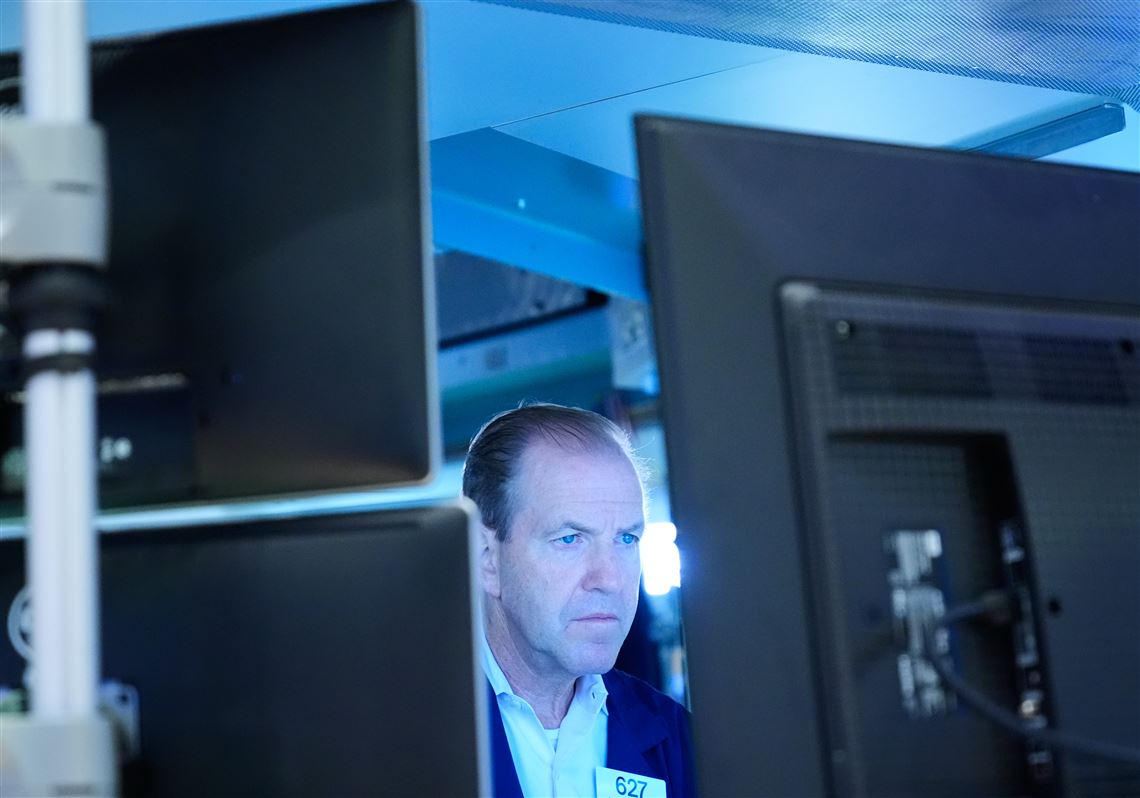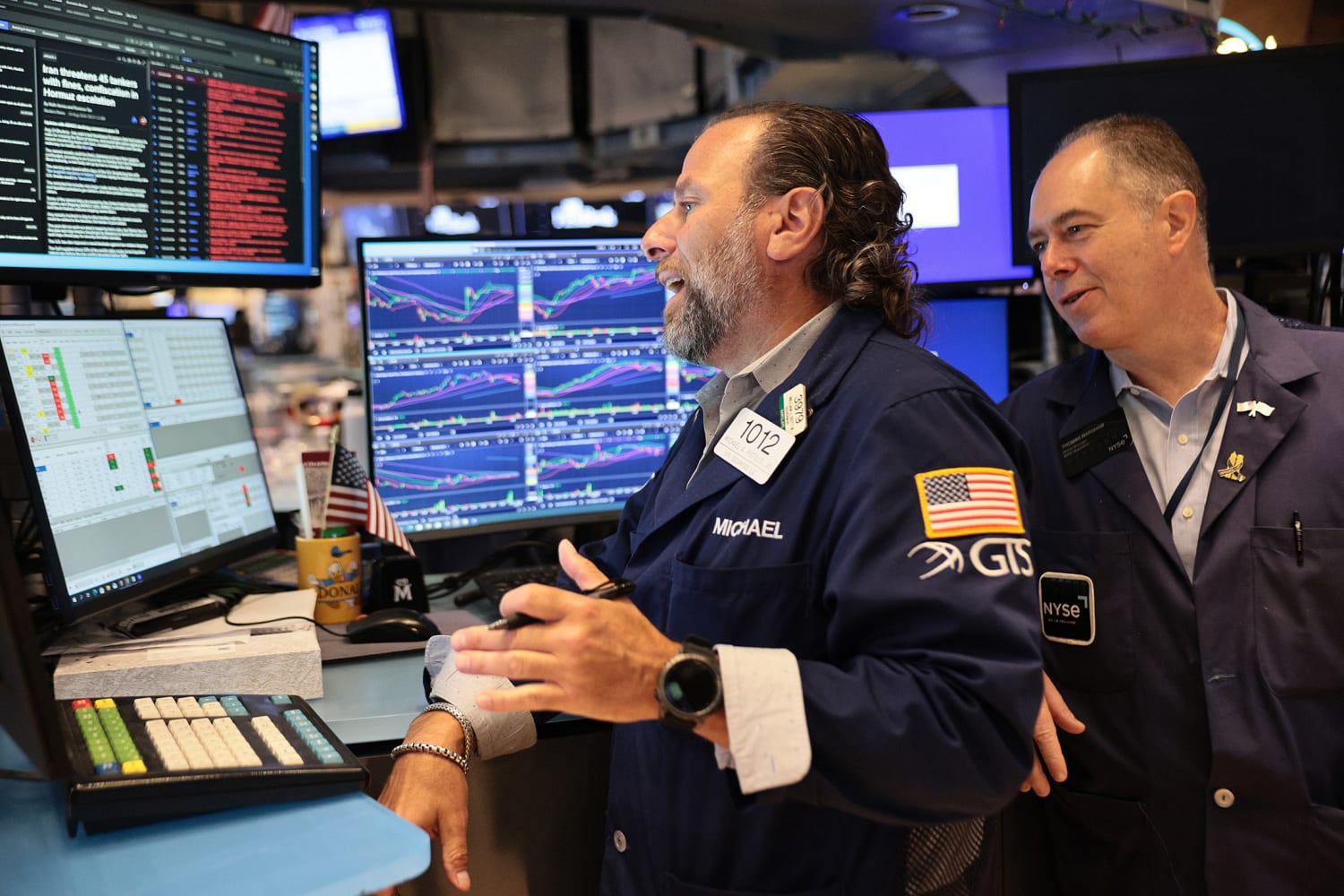
The global rout that looked so threatening before the open never reached US shores. As flagged in this morning's analysis, S&P 500 futures had slid toward 7,305 after South Korea's KOSPI plunged more than 8 percent overnight, yet the cash session shrugged most of it off. The S&P 500 closed essentially flat at 7,354.02, down just 0.05 percent, the Dow eased 0.09 percent to 51,876.11, and the Nasdaq Composite slipped 0.24 percent to 25,297.62. The headline numbers were calm. The story underneath them was not: the Nasdaq booked a fifth straight loss and the week ended firmly in the red.
The Close: Indexes Tread Water as Tech Leaks
For all the overnight drama, the indexes barely moved, and that itself was the surprise. The feared contagion from Asia was absorbed rather than amplified, as buyers stepped into the defensive corners of the market the moment the megacaps wobbled. Money kept rotating out of the crowded Magnificent Seven and into health care, financials and industrials, the same trade that has propped up the Dow all week. But the Nasdaq could not escape: a fifth consecutive decline confirmed that, even on a quiet tape, there were no buyers willing to chase technology. On the week the divergence was stark. The S&P 500 shed nearly 2 percent, the Nasdaq dropped about 4.6 percent, and only the Dow finished higher, up roughly 0.6 percent.
- S&P 500 flat at 7,354.02, down about 0.05% as the overnight rout was absorbed
- Nasdaq slipped 0.24% to 25,297.62, a fifth straight decline
- Dow eased 0.09% to 51,876.11 but still led on the week
- On the week: S&P down nearly 2%, Nasdaq down about 4.6%, Dow up roughly 0.6%
- The same rotation into defensives cushioned the broad indexes
Story of the Day: An OpenAI IPO Wobble
The fresh catalyst came from the IPO pipeline. A New York Times report said OpenAI is weighing a delay of its public listing into next year, citing both broad volatility in AI-related shares and the disappointing trajectory of SpaceX since its own market debut. The read-through rattled an already fragile chip complex: if the most anticipated AI listing of the cycle is getting cold feet, the one-way bet on the buildout looks far less certain. The cost side of that story stayed in the headlines too. Apple fell about 6.2 percent after raising MacBook and iPad prices on higher chip and component costs, and Microsoft dropped about 3.5 percent after lifting Xbox pricing, reinforcing the week's core worry that rising memory costs are now being passed to consumers. Even SpaceX, which drew a mid-day bid of more than 1.5 percent on its expected fast-track addition to the Russell 1000 after the close, could not lift sentiment, since its own post-IPO slide is exactly what the OpenAI report flagged.
- A New York Times report said OpenAI may delay its IPO into next year
- It cited AI-share volatility and SpaceX's weak post-debut run
- Apple fell about 6.2% on MacBook and iPad price hikes
- Microsoft dropped about 3.5% after raising Xbox pricing
- SpaceX rose over 1.5% mid-day on an expected Russell 1000 add
Commodities: Gold Firms, Crude Slumps Again
The commodity tape split cleanly along the risk-off line. Spot gold reclaimed ground to about $4,068, up roughly 0.5 percent on the day, as the persistent equity unease and a softer dollar kept the safe-haven bid alive and pushed the metal back above the $4,000 mark it has defended all week. Crude went the other way. WTI slumped about 3.5 percent toward $69.40, reversing the prior session's bounce, as rising tanker traffic through the Strait of Hormuz and continued US-Iran progress drained the last of the geopolitical risk premium. For gold, $4,000 remains the structural floor traders are watching; for crude, $70 has flipped into overhead resistance.
- Gold firmed to about $4,068, up roughly 0.5% on a safe-haven bid
- $4,000 remains the structural floor the metal has defended all week
- WTI slumped about 3.5% toward $69.40, reversing the prior bounce
- More Hormuz tanker traffic and US-Iran progress drained the risk premium
- Crude reference: $70, now overhead resistance

Crypto Check: Bitcoin Probes Its Lowest Since 2024
Digital assets stayed at the sharp end of the selloff. Bitcoin touched its lowest level since September 2024, dipping near $58,189 intraday, before clawing back to about $59,632, while Ethereum eased to around $1,569. Another roughly $1 billion in leveraged futures positions was liquidated, the kind of forced selling that tends to overshoot. The pressure is cumulative rather than fresh: Bitcoin is now down about 5.6 percent on the week and roughly 18.8 percent since the start of June, dragged by hawkish Fed repricing after Thursday's hot PCE print, persistent spot ETF outflows and a steady macro risk-off. As covered in last night's review, the majors are still trading as high-beta equities rather than havens. The $58,000 area is the key reference zone: holding it keeps the structure bruised but intact, while a decisive break would open the door to deeper levels.
- Bitcoin dipped near $58,189, its lowest since September 2024, before recovering to about $59,632
- Ethereum eased to around $1,569 as digital assets tracked the equity rout
- Roughly $1 billion in leveraged futures positions was liquidated
- Bitcoin is down about 18.8% since the start of June
- Reference zone: the $58,000 area
What to Watch: Quarter-End and the Dow Reshuffle
The calendar does the heavy lifting next. Monday, June 29 marks both quarter-end and the moment Alphabet replaces Verizon in the Dow Jones Industrial Average, a change that deepens the index's megacap-tech tilt at the worst possible moment for that trade. Whether the rotation into defensives that cushioned this week persists, or whether dip-buyers finally return to the Nasdaq after five straight losses, will set the tone for the new quarter. Bullish trigger: chips stabilize and the megacaps stop leading lower into the new month. Bearish trigger: a sixth straight Nasdaq decline as the AI-cost and IPO worries spread. Invalidation for the calmer case: Bitcoin losing the $58,000 shelf and equities reopening the week's lows. Every level here is a technical reference point, not an instruction.
- June 29 is quarter-end and the day Alphabet replaces Verizon in the Dow
- The swap deepens the Dow's megacap-tech tilt as that trade struggles
- Bullish trigger: chips stabilize and the megacaps stop leading lower
- Bearish trigger: a sixth straight Nasdaq decline
- Crypto test: can Bitcoin hold the $58,000 shelf
ThriveInMarkets publishes market commentary for general information only and does not provide personal investment advice. Prices are live or last-close levels as labeled and move quickly; levels cited are technical reference points, not instructions to buy or sell any asset.