Disclaimer: This is not financial advice. The analysis below is for educational purposes only. Always do your own research and consult a licensed financial advisor before making investment decisions. Past performance does not guarantee future results.
The Macro Setup: Why Stagflation Is Back
Three forces are colliding right now:
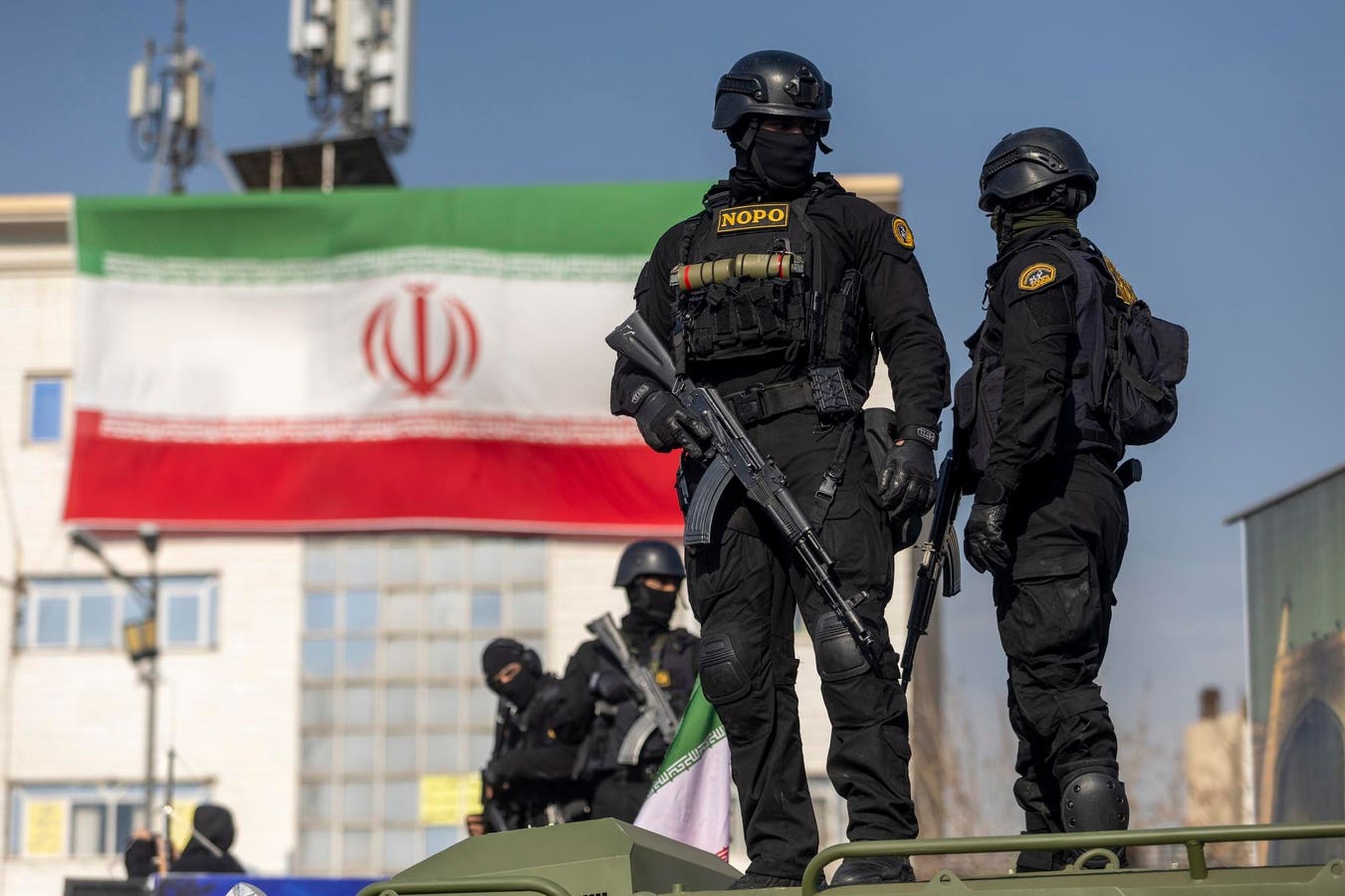
- War: Israel struck Iran's South Pars gas field (the world's largest). Iran retaliated on Qatar's Ras Laffan (world's biggest LNG plant), UAE, and Saudi energy targets. 17% of Qatar's LNG capacity is gone for 3-5 years. Trump threatened to "massively blow up" South Pars if Iran continues.
- Oil at $114: Brent hit $114.64, WTI at $98.34. The Brent-WTI spread is at an 11-year high. Analysts warn $150+ if Hormuz gets fully blocked.
- Hawkish Fed: Rates held at 3.5-3.75%. Powell said inflation is "not coming down as much as we had hoped." Only one cut projected for 2026. Markets priced out cuts before June.
This combination of rising energy costs, sticky inflation, and slowing growth is the definition of stagflation. Bank of America flagged this risk explicitly on March 18, calling it the most likely macro scenario for Q2 2026.
In stagflation, not all sectors suffer equally. Some thrive. Here is the playbook.
Sectors That Win in Stagflation
1. XLE (Energy Select Sector SPDR Fund)
The most direct way to benefit from $114 oil without trading crude futures.
- What it holds: 23 US energy stocks. ExxonMobil (XOM) and Chevron (CVX) make up ~41% of the fund
- YTD performance: Up ~27% in 2026, outperforming every other S&P 500 sector
- Why it works: Energy companies are printing record cash flows at $100+ oil. They are buying back shares and paying 3-4% dividend yields. Even if oil drops to $90 on a ceasefire, these companies remain profitable
- The edge over crude futures: Stocks do not gap as violently as commodities on weekend news. XLE dropped ~5% when oil dropped 15% during the March 10 peace signal. More downside protection
- Expense ratio: 0.09%
Key holdings: ExxonMobil (XOM), Chevron (CVX), ConocoPhillips (COP), EOG Resources (EOG), Pioneer Natural Resources (PXD)

Energy stocks are the standout performers of 2026 (Image: The Motley Fool)
2. ITA (iShares US Aerospace and Defense ETF)
Defense budgets do not reverse when wars end. Contracts are multi-year, and governments are increasing military spending globally.
- What it holds: 43 aerospace and defense stocks. Top 3: GE Aerospace (20.5%), RTX Corp (16.2%), Boeing (8.3%)
- Why it works: Forbes reported on March 17 that defense stocks have outperformed the broader market in early 2026. NATO spending commitments, the US-Israeli campaign, and rising global tensions all drive long-term demand
- Ceasefire-proof: Even if the Iran conflict ends tomorrow, defense orders placed today take years to deliver. Lockheed Martin's F-35 backlog alone stretches into the 2030s
- Expense ratio: 0.38%
Key holdings: GE Aerospace (GE), RTX Corp (RTX), Boeing (BA), Lockheed Martin (LMT), Northrop Grumman (NOC), General Dynamics (GD)
3. GLD (SPDR Gold Shares)
Gold is the only asset that wins in nearly every scenario right now.
- Performance: Gold surpassed $5,000 in March 2026. GLD hit $180 billion in assets under management, a record. Q1 2026 inflows: nearly $15 billion
- Why it works in stagflation: War = safe haven bid. Inflation = purchasing power hedge. Fed holds rates = gold does not face real yield competition. Central banks buying = structural demand floor
- The dual scenario: If war escalates, gold goes higher. If ceasefire happens but inflation stays sticky (which it will with $20B of Qatar LNG offline for 3-5 years), gold still holds because the Fed cannot cut aggressively
- Expense ratio: 0.40%
Sectors Under Pressure
4. QQQ (Invesco Nasdaq 100 ETF)
Tech is facing a dual headwind that is not going away soon.
- The problem: Rising inflation means higher discount rates for future earnings. Tech stocks are valued on future cash flows, and when rates stay elevated, those valuations compress. The Fed holding at 3.5% with no cuts in sight is toxic for growth stocks
- 2026 performance: QQQ delivered 20%+ in 2025, but early 2026 has seen consolidation. It is now trailing small-cap and value benchmarks as investors rotate into energy and defense
- Risk appetite contraction: War uncertainty causes investors to sell high-beta assets first. Tech is the biggest component of that trade
- Names under pressure: AAPL, NVDA, TSLA, META, AMZN
This does not mean tech is dead long-term. But in a stagflation environment, it underperforms energy, defense, and gold. Wait for a clear Fed pivot before going heavy into QQQ.
5. XLY (Consumer Discretionary Select Sector SPDR)
When oil is at $114, consumers spend less on everything that is not essential.
- The math: Higher gas prices = less disposable income = less spending on Amazon orders, new cars, home renovations, and dining out. All of these are XLY's top holdings
- Recent performance: XLY plunged 2.3% on March 16 alone as fuel prices surged. The sector is facing "higher for longer" rates AND rising energy costs simultaneously
- Stagflation double hit: Consumers face both price increases (inflation) and reduced spending power (slowing economy). This is the worst possible environment for discretionary spending
- Key holdings at risk: Amazon (AMZN), Tesla (TSLA), Home Depot (HD), McDonald's (MCD)
6. SPY (S&P 500 SPDR ETF)
The broad market is stuck in a tug-of-war right now.
- The conflict: Energy stocks are pulling SPY up while tech and consumer sectors drag it down. The VIX hit 25.09 on March 19, a two-year high, signaling extreme uncertainty
- Not a clean trade: SPY is neither a clear long nor a clear short in stagflation. It is a mixed bag of winners and losers. If you want directional exposure, pick the sectors directly rather than the index
- Where it sits: SPY is down ~0.9% on March 19, hitting year lows after the Fed decision
Why War Moves Markets This Way
Wars do not affect all assets equally. The pattern is consistent across history:
- Energy appreciates because wars in oil-producing regions disrupt supply. Less supply + same demand = higher prices. Companies that extract and sell oil earn more per barrel, so their stocks rise. The Gulf region produces roughly 30% of global oil. Any disruption there sends shockwaves through the entire energy market.
- Defense appreciates because governments increase military budgets during conflict. These contracts are not canceled when fighting stops. Lockheed Martin's F-35 backlog stretches into the 2030s regardless of what happens in Iran next week. Defense spending is sticky.
- Gold appreciates because it is the oldest safe haven in human history. When uncertainty rises, institutional money flows into gold. Central banks accelerate purchases. Retail investors buy coins and ETFs. Gold also hedges against inflation, which wars tend to cause through supply chain disruption.
- Tech depreciates because growth stocks are valued on future earnings. When inflation rises, the Fed keeps rates high, which increases the "discount rate" applied to those future earnings. A dollar of profit five years from now is worth less today when rates are at 3.75% vs 2%. Rising oil also increases operating costs for data centers and logistics.
- Consumer discretionary depreciates because when people pay more at the gas pump and grocery store, they have less money for Amazon orders, new cars, and restaurant meals. Stagflation is a double hit: prices rise AND spending power falls.
What About Bitcoin and Crypto?
This is the honest answer: nobody knows how crypto behaves in a real war.
Bitcoin was supposed to be "digital gold." The narrative said it would be a safe haven during geopolitical crises. The reality has been different:
- BTC dropped from $84K to $69K since the Iran strikes began in late February 2026. That is a -18% decline during a period when gold surged past $5,000
- Fear and Greed Index: 23 (Extreme Fear). Crypto is trading as a risk asset, not a safe haven. When the S&P sells off, BTC sells off harder
- Correlation with tech: BTC has been moving in tandem with QQQ throughout this crisis. Rising rates and war uncertainty hit both assets the same way
- ETH down even more: Ethereum dropped 4.5% in 24 hours on March 19, underperforming BTC. Altcoins are getting destroyed
Does this mean crypto is dead? No. It means that in the current environment, crypto is behaving like a high-beta tech stock, not digital gold. Institutional investors treat it as a risk-on asset. When risk appetite returns (ceasefire, Fed pivot, or both), crypto could bounce harder than anything else. But timing that pivot is the challenge.
If you are holding crypto through this, understand the risk. If you are looking to buy the dip, know that the macro headwinds (war + hawkish Fed + $114 oil) have not changed. The bottom may not be in.
The Big Picture: Follow the Money
In stagflation, money flows out of growth, tech, and consumer discretionary into energy, defense, commodities, and gold. This rotation is already happening:
- XLE up 27% YTD vs QQQ roughly flat
- GLD hit $180B AUM, record Q1 inflows of $15B
- USO (crude oil ETF) saw its largest single-day inflow since August 2020
- Defense stocks outperforming the S&P 500 since the Iran conflict began
The question is not whether this rotation continues, it is whether the underlying catalysts reverse. As long as oil stays above $100, the Fed stays hawkish, and the Gulf conflict continues, this playbook remains active.
Key Risks to This Thesis
- Ceasefire / peace deal: A sudden de-escalation could crash oil $20+ in a day, dragging energy stocks. Defense stocks are more resilient
- Fed emergency cut: If the economy deteriorates fast enough, the Fed could reverse course. This would be bullish for tech and bearish for USD/gold
- SPR release: The US could release strategic petroleum reserves to cap oil prices. Historically this provides temporary relief
- Recession: Full recession would hit ALL sectors including energy (demand destruction). Gold tends to hold up best in this scenario
Bottom line: This is not a prediction, it is a framework. The stagflation playbook favors energy, defense, and gold over tech and consumer discretionary. Position sizing and risk management matter more than being right about direction. Use stops. Manage risk. And remember that geopolitical events can reverse faster than anyone expects.