Trump's 48-Hour Ultimatum: The Event That Broke the Rally
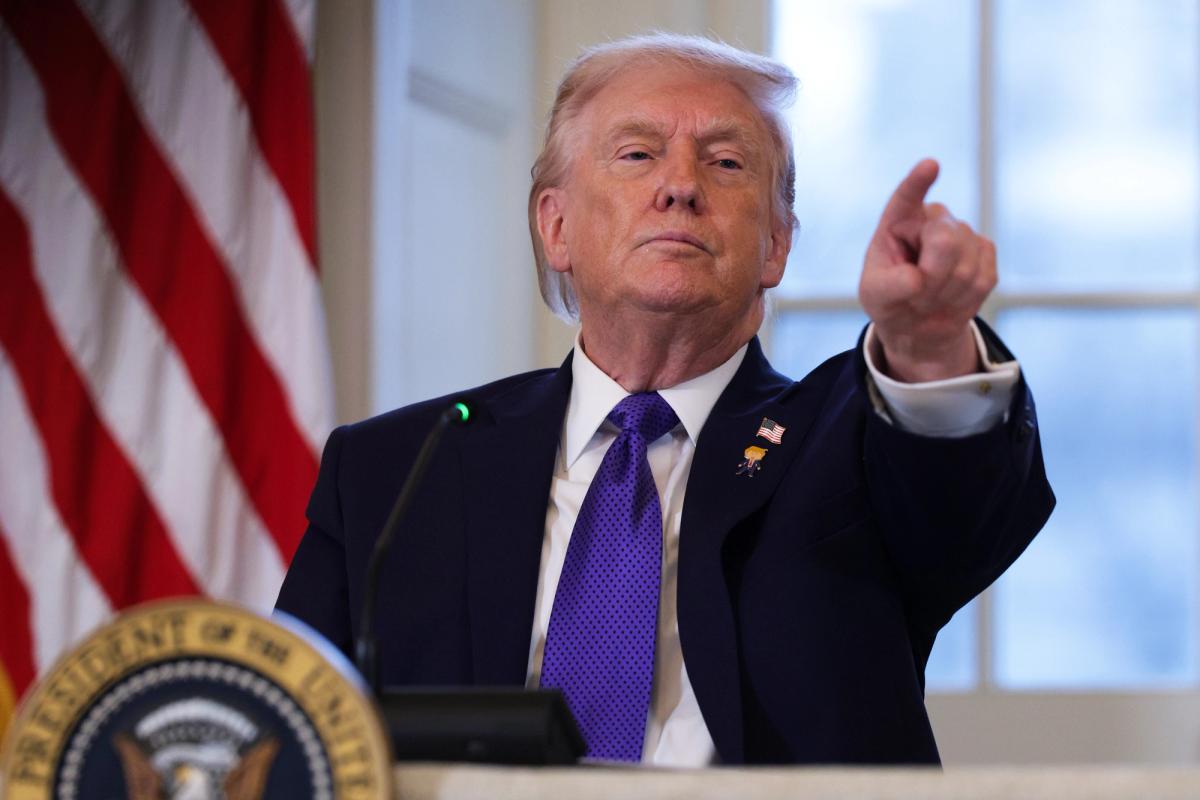
Late Saturday March 22, President Trump issued a 48-hour ultimatum to Iran: reopen the Strait of Hormuz or the US would "hit and obliterate" Iran's power plants, "starting with the biggest one first." The threat marked a whiplash escalation from Friday, when Trump had mentioned "winding down" the military operation. Going from de-escalation to threatening civilian energy infrastructure in 24 hours shattered a crypto market that had spent the prior week building confidence around peace talks.
Bitcoin erased its entire previous week of gains in a single weekend. BTC slid from $75,912 (the rally high) to $69,192 on the Sunday morning after the ultimatum, then continued lower through the following week. As of Saturday March 28, BTC sits at $66,179, down 3.1% on the week and more than 12% below pre-ultimatum levels.
The liquidation data tells the story of how one-sided positioning was heading into that weekend. CoinGlass recorded $299 million in total liquidations over 24 hours across 84,239 traders. Long liquidations accounted for $254 million, roughly 85% of the total. Bitcoin longs took $122 million in damage, ether longs lost $95.7 million, and the largest single liquidation was a $10 million BTC-USDT swap on OKX.
The Fear and Greed Index has collapsed to 12 - Extreme Fear, its lowest reading in months. Major tokens fell in lockstep: ETH sits around $1,996, XRP at $1.34, SOL at $83. The only green on weekly charts is nowhere to be found.
The Mining Crisis: $19,000 Loss Per Bitcoin Produced

Mining economics have turned ugly. Source: CoinDesk
The math has turned against bitcoin miners, and the war is making it worse every week. Checkonchain's difficulty regression model pegs the average production cost at $88,000 per bitcoin as of mid-March. With BTC trading at $66,179, the average miner is operating at a 21% loss on every block mined - a gap of nearly $22,000 per coin.
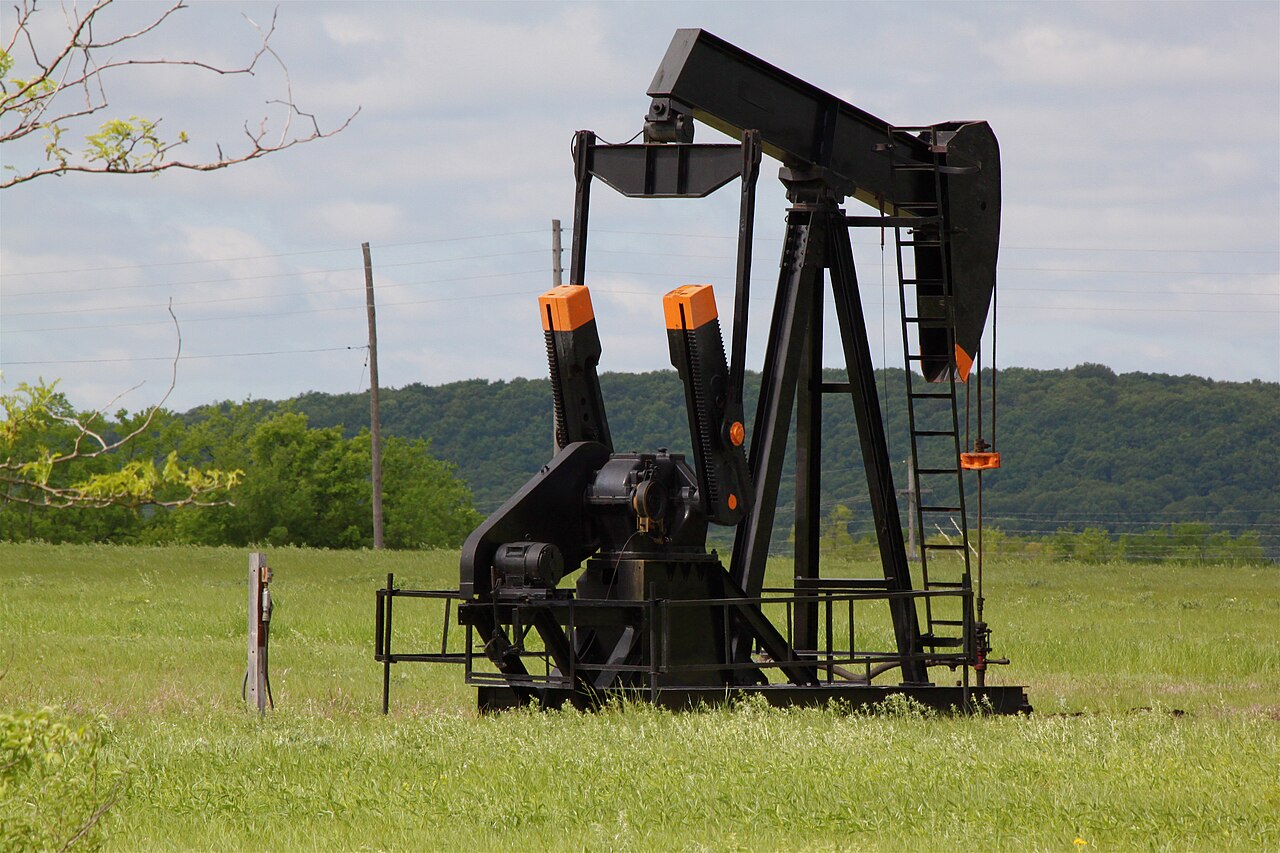
The cost squeeze has been building since October's crash took bitcoin from $126,000 to below $70,000, but the Iran conflict accelerated it. Oil above $100 feeds directly into electricity costs for mining operations, particularly the estimated 8-10% of global hashrate operating in energy markets sensitive to Middle Eastern supply.
Key mining metrics this week:
- Difficulty drop: -7.76% to 133.79 trillion (second-largest negative adjustment of 2026, after February's -11.16% during Winter Storm Fern)
- Hashrate: Retreated to roughly 920 EH/s, well below the record 1 zetahash level reached in 2025
- Block times: Average 12 minutes 36 seconds during the last epoch, above the 10-minute target
- Hashprice: Around $33.30/PH/s/day (Luxor), near breakeven for most hardware
Publicly listed miners are pivoting hard toward AI and high-performance computing. More than $70 billion in AI/HPC contracts have been signed, and some miners could derive up to 70% of revenue from AI by year-end. They're selling bitcoin treasuries to finance the transition, adding sell pressure to an already weak market.
Oil Breaks $100: Hormuz Remains the Catalyst
WTI crude briefly crossed $100.04 per barrel intraday before settling at $99.64 (+5.46%). Brent hit $112.57 (+4.22%), the highest since July 2022. The Strait of Hormuz remains closed to commercial traffic since March 2. Iran's Foreign Minister confirmed on Friday: "no negotiations have happened with the enemy, and we do not plan on any."
Goldman Sachs estimates a $14-18/bbl geopolitical risk premium, meaning WTI should be in the low-to-mid $80s on pure supply/demand fundamentals. The April 6 deadline Trump set for Hormuz to reopen is 9 days away. A credible signal of reopening sends oil down $15-20 in a session. No progress, and Brent tests $110+ next.
Gold: Safe Haven Bid Holds at $4,430
Gold is trading at $4,430 per ounce, up 1.2% on the session. The haven bid from Iran tensions has stabilized gold in the $4,370-$4,500 zone after the correction from the $5,589 all-time high in January 2026. With Extreme Fear in crypto and equities posting their fifth straight weekly loss, gold continues to attract capital looking for shelter.
Stocks and ETFs: Fifth Consecutive Weekly Loss
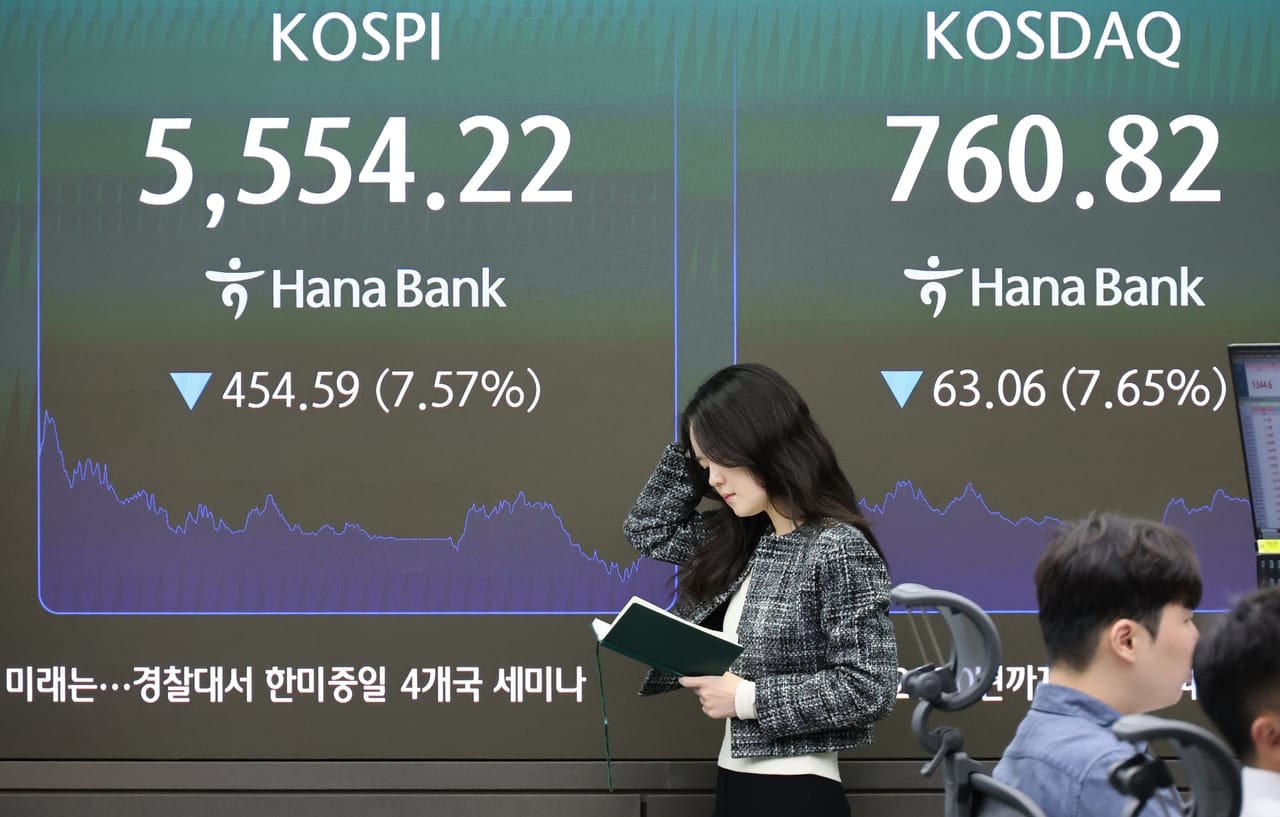
The S&P 500 closed Friday at approximately 5,580, down 1.70% on the day and marking a fifth straight weekly decline. The Dow dropped 800 points. The Nasdaq entered correction territory in what some outlets called a "$17 trillion market rout." Crypto-related stocks got battered alongside the broader market.
Bitcoin ETFs saw $171 million in outflows on Thursday, the largest single-day outflow in three weeks. Retail investors are driving widespread selling according to Glassnode data, while institutional positioning remains cautious.
Economic Calendar: Monday March 30 and the Week Ahead
Key dates for the week:
- Monday March 30: Markets reopen with the Trump/Hormuz deadline (April 6) looming. Watch oil's reaction at the open
- Tuesday March 31: End of Q1 - portfolio rebalancing flows expected
- Tuesday April 1: ISM Manufacturing PMI - the first major data point of Q2
- Friday April 4: Non-Farm Payrolls (NFP) - labor market health check
- Sunday April 6: Trump's deadline for Iran/Hormuz reopening
The Fed held rates last week with a dovish lean, which should have supported risk assets. But the persistent threat of war headlines has traders holding back from outsized directional bets. The market is being driven by two forces: geopolitics (oil/Iran) and incoming macro data (ISM/NFP). Until one of those resolves, expect continued volatility.
The Bottom Line
This week was defined by a single narrative: the Iran-Hormuz crisis and its cascading effects across every asset class. BTC is down to $66,179 with Extreme Fear at 12. Oil hit triple digits. Gold is steady at $4,430. Equities are in freefall. Mining economics are broken at current prices.
The binary catalyst is the April 6 Hormuz deadline. Diplomacy sends everything risk-on. Escalation sends oil to $120 and BTC potentially below $60K. There is no middle ground on this timeline.
All times UTC. All prices as of 2026-03-28 11:00 UTC.