The most consequential day of the quarter delivered a jolt. As flagged in this morning's morning analysis, the entire session hinged on the Federal Reserve, and when the decision landed the market did not like the message beneath it. The Fed held rates as expected, but a three-way dissent and a shorter, sharper statement read as hawkish, the bond market signalled the central bank could be falling behind on inflation, and stocks buckled. The Dow shed 1,153 points for its worst day since April 2025, the Nasdaq slid into correction, and Treasury yields jumped. Here is how the US session actually finished, the after-hours earnings that followed, and what to watch overnight. These are observations, not instructions to act on any asset.
The Close: A Broad, Heavy Selloff
There was nowhere to hide by the closing bell. The S&P 500 fell 1.52 percent to 7,316.15, giving back all of the prior day's gain and then some. The Nasdaq Composite dropped 1.74 percent to 24,442.94, ending the day more than 10 percent below its all-time high and therefore formally in correction territory, the culmination of a punishing stretch for the AI and semiconductor complex. Worst of all was the Dow Jones Industrial Average, down 1,153.18 points, or 2.19 percent, to 51,594.14, its steepest single-day decline since April 2025. Breadth was decisively negative and the selling accelerated into the close rather than fading, a sign that the reaction was about the macro message rather than any single stock. The rotation into cyclicals that had propped up the Dow all week reversed hard once yields began to climb.
- S&P 500 -1.52% to 7,316.15, erasing Tuesday's gain and more
- Nasdaq -1.74% to 24,442.94, now in correction, over 10% off its record high
- Dow -1,153.18 (-2.19%) to 51,594.14, the worst day since April 2025
- Selling accelerated into the close on broad, negative breadth
A Divided Fed Rattles the Bond Market
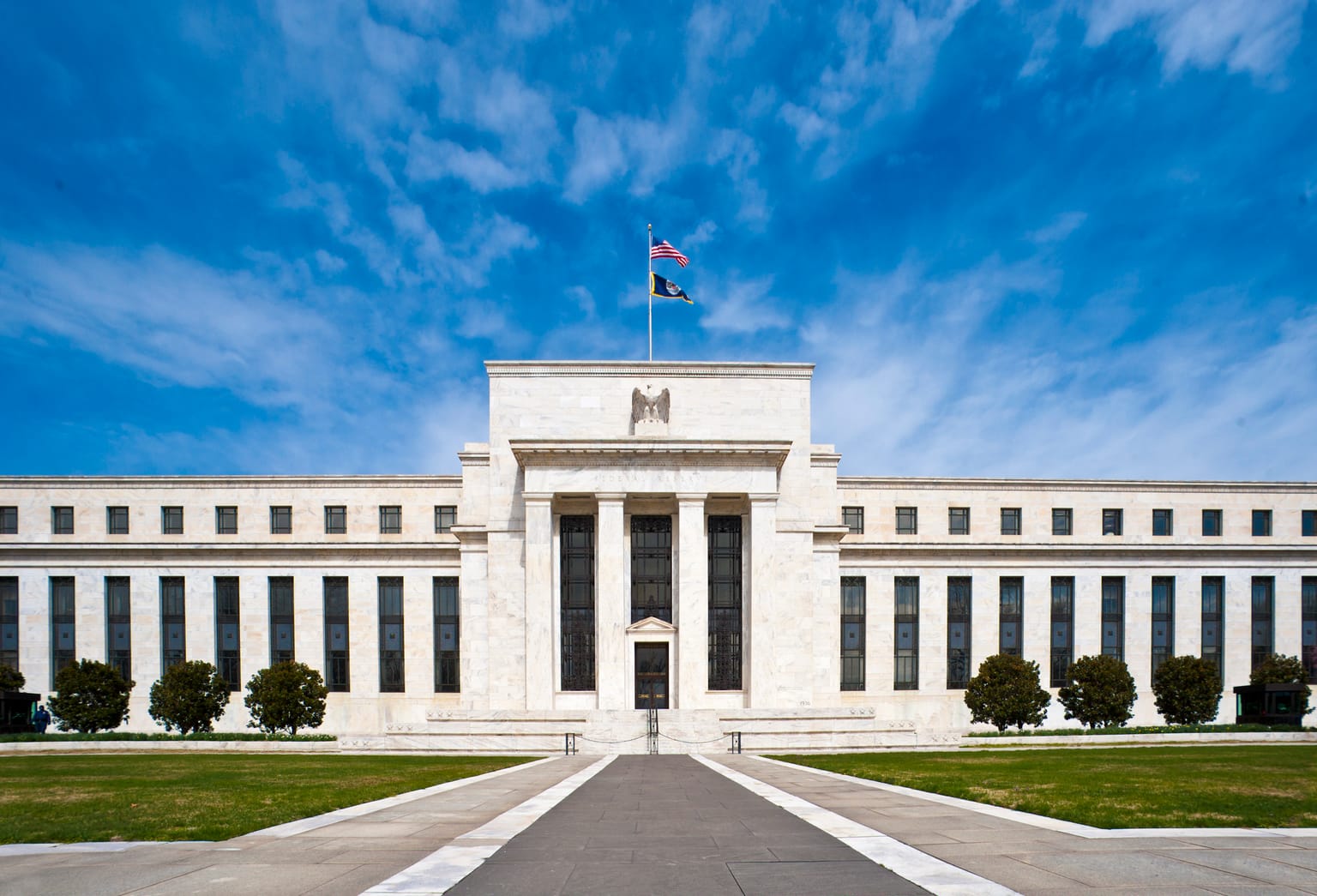
The story of the day was the Fed, and specifically the split inside it. Policymakers voted 9 to 3 to leave the benchmark rate at 3.50 to 3.75 percent, the widely expected hold, but three officials dissented in favour of a quarter-point hike, a rare and striking show of internal worry about inflation stoked by the Iran conflict and AI-driven bottlenecks. Chair Kevin Warsh, in only his second meeting, leaned into it, quipping that he "asked for a good family fight" and got one, and his shorter statement said the Fed would not hesitate to act if inflation reaccelerated. The bond market read all of this as the central bank potentially falling behind, and responded by pushing the 10-year Treasury yield up about 7 basis points to above 4.67 percent. Rising long yields were the proximate trigger for the equity slide, hitting rate-sensitive growth names hardest.
- Rates held at 3.50-3.75% on a 9-3 vote with three officials preferring a hike
- Warsh's shorter statement warned the Fed "won't hesitate" to fight inflation
- 10-year yield jumped ~7bps above 4.67% as the bond market flagged falling-behind risk
- Rising long yields were the direct trigger for the equity selloff

After-Hours: Microsoft Beats the Number
The closing bell handed the baton to earnings, and the marquee name delivered. Microsoft reported revenue of $90.01 billion against $87.62 billion expected and adjusted earnings of $4.74 a share versus $4.24 forecast, roughly 18 percent revenue growth, and crucially noted that Azure crossed $100 billion in annual revenue for the first time. The stock rose about 3 percent in extended trading, a relief given how much AI capital-expenditure anxiety had been priced in. The moves were not confined to Microsoft: Ford jumped about 6 percent after beating and hiking its 2026 outlook, Seagate climbed roughly 8 percent on strong guidance, while Visa fell nearly 2 percent on soft full-year guidance and CoStar tumbled on a revenue miss. After a brutal cash session, the after-hours tape offered a more constructive read on corporate fundamentals.
- Microsoft beat: $90.01B revenue and $4.74 EPS; Azure topped $100B annually, stock +3% after hours
- Ford +6% on a beat and raised outlook; Seagate +8% on strong guidance
- Visa -2% on soft FY guidance; CoStar dropped on a revenue miss
- The after-hours tone was firmer than the grim cash-session close
Oil Surges as Trump Threatens Iran
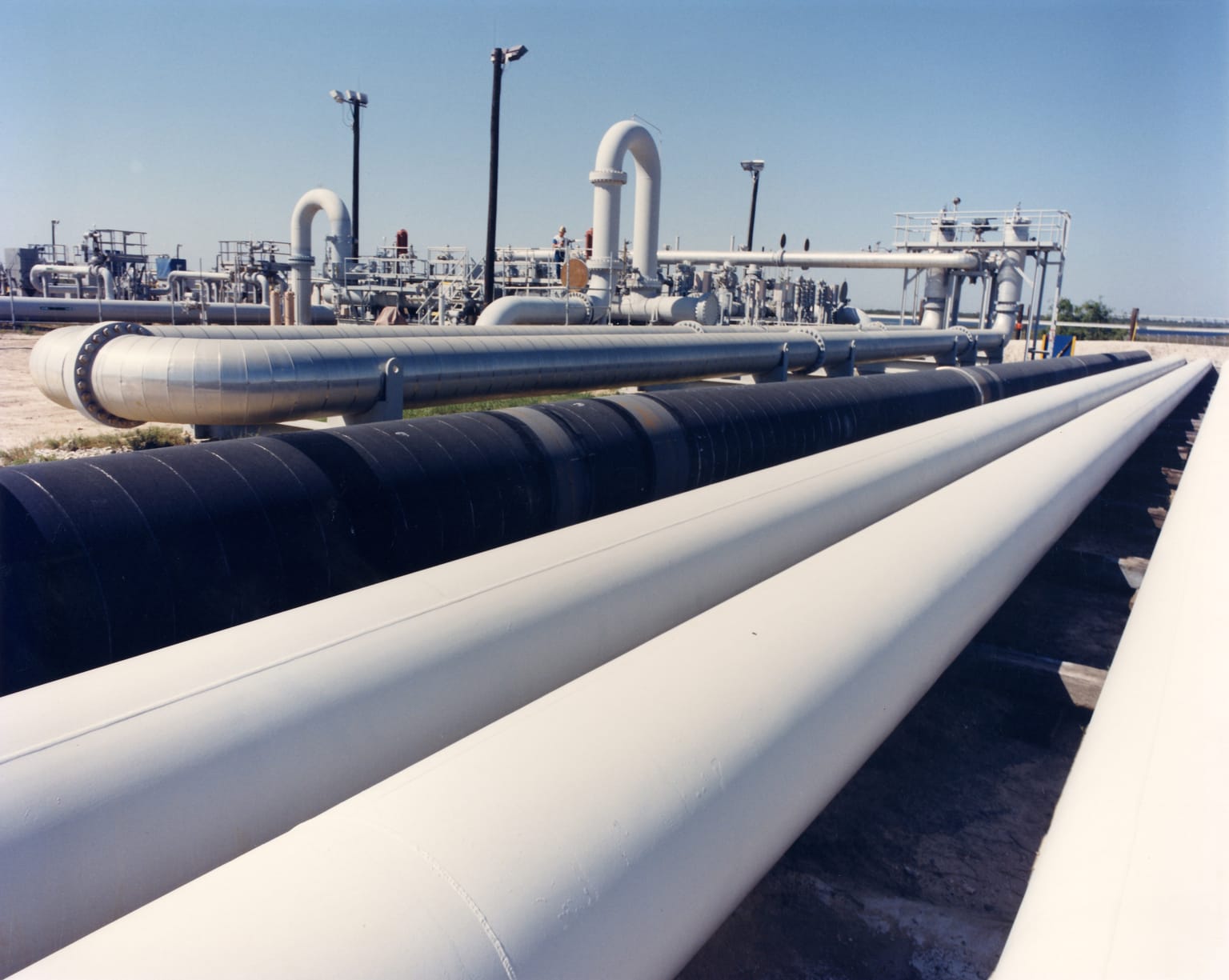
Energy stole the commodities show. WTI crude settled up 6.6 percent at $84.46 and Brent gained 7.9 percent to $90.74 after President Trump said the US would hit Iran hard in retaliation for the attempted strike on American forces overnight. That reignited the Strait of Hormuz supply premium that had been draining out of crude all week, and it fed directly back into the day's inflation anxiety, reinforcing the bond market's unease just as the Fed leaned hawkish. Gold, by contrast, was strikingly calm, holding near $4,062 and comfortably above the $4,000 handle with only a modest safe-haven bid, a sign that the day's stress was expressed through rates and equities rather than a rush into bullion.
- WTI +6.6% to $84.46, Brent +7.9% to $90.74, on Trump's threat to strike Iran
- The rally revives the Strait of Hormuz supply premium and feeds the inflation worry
- Gold near $4,062 (+0.1%), calm and holding above $4,000
- Higher crude added to the hawkish pressure weighing on the bond market
Crypto Holds Firm and the Overnight Watch
Digital assets were the day's quiet outperformer. Bitcoin held near $64,200, up about 1 percent, briefly touching $64,400 after the decision before easing, a notably resilient showing against a 2 percent equity rout that speaks to steadier crypto-native flows. Ether lagged at about $1,885, off 1.35 percent, tracking risk more closely. Live levels and ETF-flow data for the top of the market sit on the ThriveInMarkets homepage. $64,000 is the near-term reference zone; holding above it keeps the short-term structure intact, while $65,000 is the level bulls still need to reclaim. Overnight and into Thursday, three things dominate the watchlist: Apple and Amazon report after Thursday's close, the last Magnificent Seven names of the season, with AI-capex guidance again the swing factor; the advance reading of Q2 US GDP and weekly jobless claims land Thursday; and June PCE, the Fed's preferred inflation gauge, arrives Friday, a fitting sequel to a day defined by inflation fear. Follow the play-by-play on Market Insights and the schedule on the economic calendar.
- Bitcoin ~$64,200 (+1%), resilient versus the equity rout; Ether ~$1,885 (-1.35%)
- $64,000 is the near-term reference zone; $65,000 is the level bulls need to reclaim
- Apple and Amazon report Thursday; Q2 GDP and jobless claims also Thursday
- June PCE lands Friday, the key inflation read after a hawkish Fed
ThriveInMarkets publishes market commentary for general information only and does not provide personal investment advice. Equity figures are Wednesday's cash-session closing prints; crypto, gold and oil figures are as of 20:45 UTC Wednesday, July 29. Dates and times are scheduled events subject to change. Levels and scenarios cited are technical reference points, not instructions to buy or sell any asset.