It was a week dominated by central banks, and the message from all of them was the same: rates are staying higher for longer. The marquee event was Kevin Warsh's first meeting as Federal Reserve Chair, which held policy steady but delivered a hawkish dot plot that revived talk of a 2026 rate hike and jolted markets. Add a Bank of Japan move to a 31-year-high policy rate, a US-Iran peace deal that drained the war premium out of crude, and a Juneteenth holiday that shut US markets Friday, and the five sessions packed in plenty. Here is the full weekly recap, with traditional markets closed for the weekend and reopening Monday June 22.
The Weekly Scorecard
Despite a brutal midweek wobble, US equities finished the week higher. The S&P 500 closed Thursday June 18 at 7,500.58, up about 0.9 percent on the week, its 11th winning week in 12, while the chip-led Nasdaq Composite added roughly 2.4 percent to 26,517.93 and the Dow advanced about 0.7 percent. Remember that Friday was a Juneteenth holiday, so Thursday's levels are the last cash closes and Wall Street does not reopen until Monday. The commodity story was the opposite: WTI crude sank nearly 9 percent on the week to about $77 as a US-Iran peace deal unwound the geopolitical premium, and spot gold eased about 1.2 percent to roughly $4,150, a third straight weekly decline as the dollar climbed to a one-year high. Crypto traded all weekend, with Bitcoin roughly flat near $63,900 and Ethereum up about 3 percent near $1,728. The throughline is a market digesting a more hawkish rate regime while a calmer Middle East deflates energy.
- S&P 500 +0.9% on the week to 7,500.58, its 11th up week in 12
- Nasdaq +2.4% to 26,517.93 on a chip-led rebound
- WTI crude -9% to about $77 as the war premium drained
- Gold -1.2% to roughly $4,150, a third weekly decline
- Bitcoin ~flat near $63,900; Ethereum +3% near $1,728
Story of the Week: Warsh's Hawkish Fed Debut
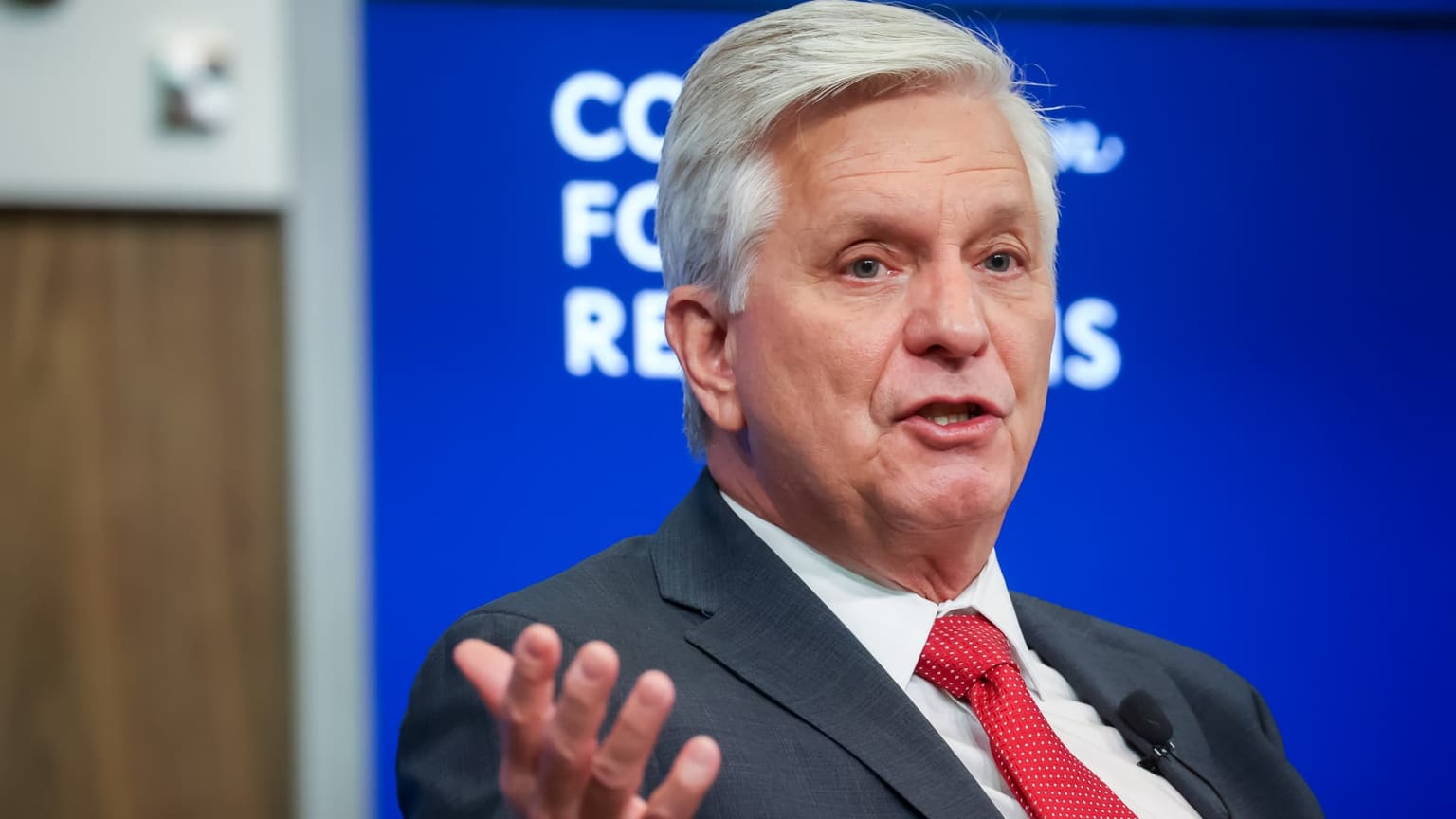
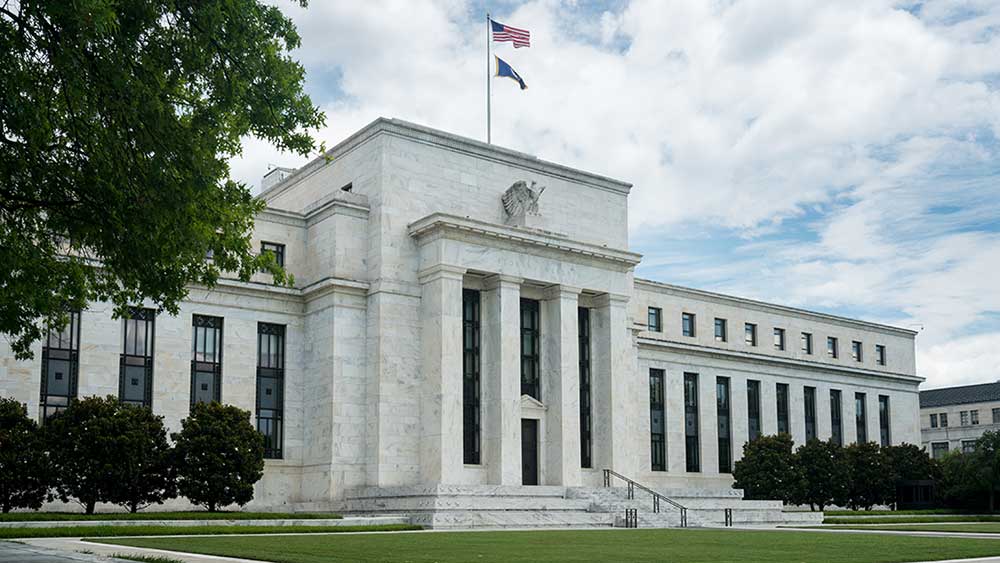
The week's defining event was Wednesday's Federal Reserve decision, the first chaired by Kevin Warsh. The committee unanimously held the policy rate at 3.50 to 3.75 percent, as widely expected, but the surprise lived in the projections. The new dot plot showed the median year-end estimate jumping to 3.8 percent from 3.4 percent in March, with nine of eighteen officials now projecting at least one rate hike before the end of 2026, per TheStreet. Any reference to an easing bias was gone, and Warsh repeatedly emphasized the Fed's commitment to price stability in his press conference. Markets read it clearly: the next move could be a hike rather than the cut many had penciled in. Stocks tumbled into the close, with the S&P 500 logging its worst Fed-day under a new leader since 1994 and the two-year Treasury yield surging as bond markets repriced, per CNBC. The hawkish shift is the single most important development for every asset class heading into the second half of the year.
- The Fed held at 3.50 to 3.75 percent at Warsh's first meeting
- The dot plot's median year-end estimate rose to 3.8% from 3.4%
- Nine of 18 officials now project at least one 2026 hike
- Any easing bias was dropped; Warsh stressed price stability
- It was the worst Fed-day for the S&P under a new chair since 1994
Oil's Collapse as the Iran Deal Lands
If the Fed set the tone for rates, geopolitics set the tone for commodities. A US-Iran interim peace deal that paves the way to reopen the Strait of Hormuz steadily drained the war premium that had inflated crude for weeks. WTI fell nearly 9 percent on the week to about $77, and Brent followed lower, as tankers resumed transit through the strait and the risk of a supply shock faded. The path was not perfectly smooth: planned follow-up talks in Switzerland were abruptly postponed late in the week after a flare-up in southern Lebanon, briefly snapping oil back above $77 before a renewed Israel-Hezbollah ceasefire calmed nerves, per CNBC. The net effect is a meaningfully lower energy backdrop, which is disinflationary at the margin even as the Fed turns more hawkish. For structure, traders are watching whether crude can hold the high-$70s or whether a durable truce pulls it lower toward the levels that prevailed before the spring conflict.

- WTI crude fell nearly 9% on the week to about $77
- A US-Iran deal reopening Hormuz drained the war premium
- Switzerland talks were postponed after a Lebanon flare-up
- A renewed Israel-Hezbollah ceasefire calmed nerves into the weekend
- Lower energy is disinflationary at the margin despite the hawkish Fed
Central Banks Abroad: Japan's Historic Hike
The hawkish theme was global. On Tuesday, the Bank of Japan raised its policy rate to 1 percent, its highest level since 1995, in a 7-to-1 vote, per Al Jazeera. The 25 basis point move was almost fully priced in, with a Reuters poll showing 94 percent of economists expecting it, so the yen's reaction was muted and USD/JPY held above 160. The meeting carried an unusual footnote: Governor Kazuo Ueda was absent, hospitalized with a liver-cyst infection, leaving the decision to the rest of the board. The broader significance is that the era of ultra-cheap Japanese money continues to wind down, a slow-moving force that matters for global carry trades and bond yields. A higher Japanese rate gradually reduces the incentive to borrow yen cheaply and park it in higher-yielding assets abroad, one more reason the global cost of capital is drifting upward, per CNBC.
- The Bank of Japan hiked to 1%, its highest rate since 1995
- The 7-to-1 vote was almost fully priced, so the yen barely moved
- Governor Ueda was absent, hospitalized with an infection
- The end of ultra-cheap yen matters for global carry trades
- The global cost of capital is drifting steadily higher
Crypto Check: Range-Bound Through the Hawkish Storm
Digital assets spent the week absorbing the same hawkish macro pulse as equities, and they did it from a position of weakness. Bitcoin slipped below $63,000 midweek as the Fed's dot plot landed, with more than a billion dollars in leveraged long positions liquidated on the break and spot Bitcoin ETFs extending a long run of outflows, per FXStreet. It has since steadied, trading roughly flat on the week near $63,900 as the weekend tape calmed. Ethereum firmed about 3 percent to around $1,728, clawing back its dip below $1,700, though it still trails the majors. The durable driver remains the rate path rather than the geopolitics, and sentiment sits cautious with the Fear and Greed gauge deep in fear. For structure, the low-$60,000s remain the key reference zone for Bitcoin, where buyers have repeatedly stepped in this month, with $63,000 the near-term pivot. Holding it keeps the recent range intact, while a decisive break below the low-$60,000s would weaken it.
- Bitcoin ~flat on the week near $63,900 after dipping below $63,000
- Ethereum +3% to about $1,728, recovering its sub-$1,700 dip
- Over $1 billion in leveraged longs were liquidated midweek
- Spot Bitcoin ETFs extended their outflow streak
- Key reference zone: the low-$60,000s, with $63,000 the pivot
The Week Ahead
Monday June 22 brings the first full US cash session since the hawkish Fed and the Lebanon wobble, and the gap between Thursday's strong close and the weekend's geopolitical crosscurrents leaves room for a lively reopen. Two threads dominate the days ahead. The first is the durability of the Israel-Hezbollah ceasefire and the US-Iran framework, which will decide whether oil's slide extends or whether the war premium flickers back. The second is the rate path, with markets still absorbing a Fed that has shifted its bias toward hikes and every incoming inflation and labor reading now carrying extra weight because the next move could be tighter, not looser. Bullish triggers to watch: equities defending Thursday's gains on the reopen, a durable Middle East truce keeping energy contained, and Bitcoin holding above $63,000. Bearish triggers to watch: a fresh leg higher in Treasury yields, a break of the low-$60,000s in Bitcoin, or a renewed flare-up that snaps oil higher. With central banks worldwide leaning hawkish, the burden of proof now sits with the bulls.
- Monday June 22 is the first full US session since the Fed
- Watch the durability of the Middle East ceasefire for oil's next move
- Every inflation and jobs print now carries extra weight
- Bullish triggers: equities holding gains, BTC above $63,000
- Bearish triggers: higher yields, a break of the low-$60,000s, an oil snap-back
ThriveInMarkets publishes market commentary for general information only and does not provide personal investment advice. Prices are live or last-close levels as labeled and move quickly; traditional markets are closed over the weekend and the levels cited are technical reference points, not instructions to buy or sell any asset.