Gold: $4,665 — Whipsawed by Iran, Capped by the Dollar
Gold's session today was a study in volatility. Spot XAU/USD ripped to an intraday high of $4,784 in early Asian trading as geopolitical risk spiked following Trump's primetime address — then gave back most of the move, settling around $4,665 heading into the New York close, roughly flat to slightly negative on the day.
Two forces hit gold simultaneously. First, US Initial Jobless Claims came in at 202,000 — well below the 215,000 consensus — signaling that the labor market remains tight. Second, headline PPI surged +0.5% against a +0.2% forecast, with Core PPI rising +0.6% — the sharpest monthly jump in five months. The combination sent the 10-year Treasury yield up to 4.255% and gave the dollar a renewed bid, applying the classic ceiling to gold's safe-haven surge. Goldman Sachs responded by pushing their first 2026 Fed rate cut forecast back to September — a meaningful hawkish repricing.
The structural bull case hasn't broken. Gold is simply navigating the tension between geopolitical fear (which pushes it up) and rate expectations (which cap it). The intraday reversal from $4,784 is technically bearish in the short run, but the broader trend since January remains intact. Key levels heading into Friday:
- Support: $4,560 — prior consolidation zone from late March
- Support: $4,500 — psychological level and recent swing low
- Resistance: $4,690 — today's intraday pivot and short-term ceiling
- Resistance: $4,760–$4,800 — the zone rejected twice this week
- Resistance: $4,830 — the next major target if momentum resumes
Tomorrow's NFP print is the critical catalyst. A weak jobs number would unwind today's dollar strength immediately, potentially sending gold back toward $4,760 in a single session. A strong print cements the September rate cut narrative and likely keeps gold capped in the $4,560–$4,690 range near term. Traders looking to get positioned in XAUUSD ahead of NFP can access gold CFDs on Bybit TradFi via MetaTrader 5 with USDT margin.
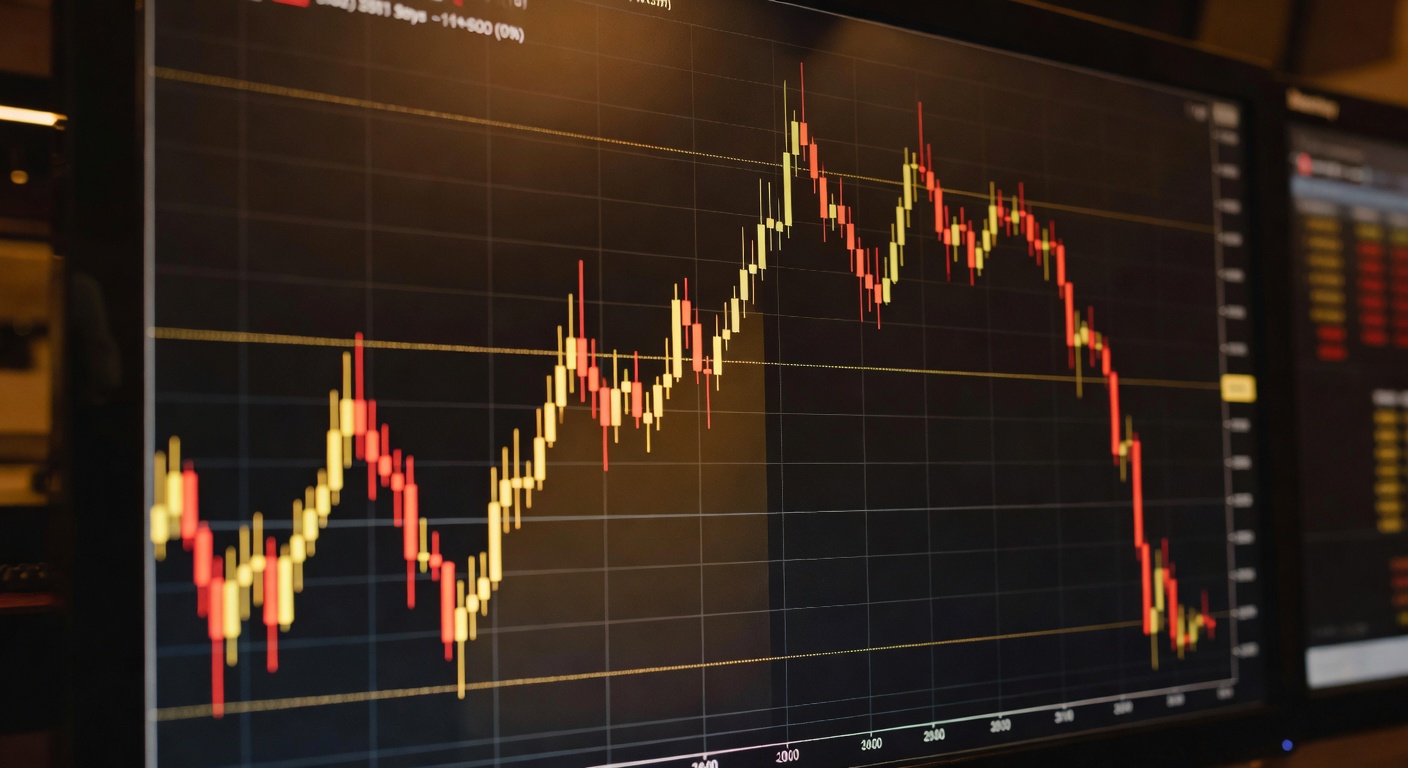
Gold touched $4,784 before reversing as strong US data pushed yields and the dollar higher
Oil: +6% to $105.57 — The Hormuz Blockade Threat Dominates
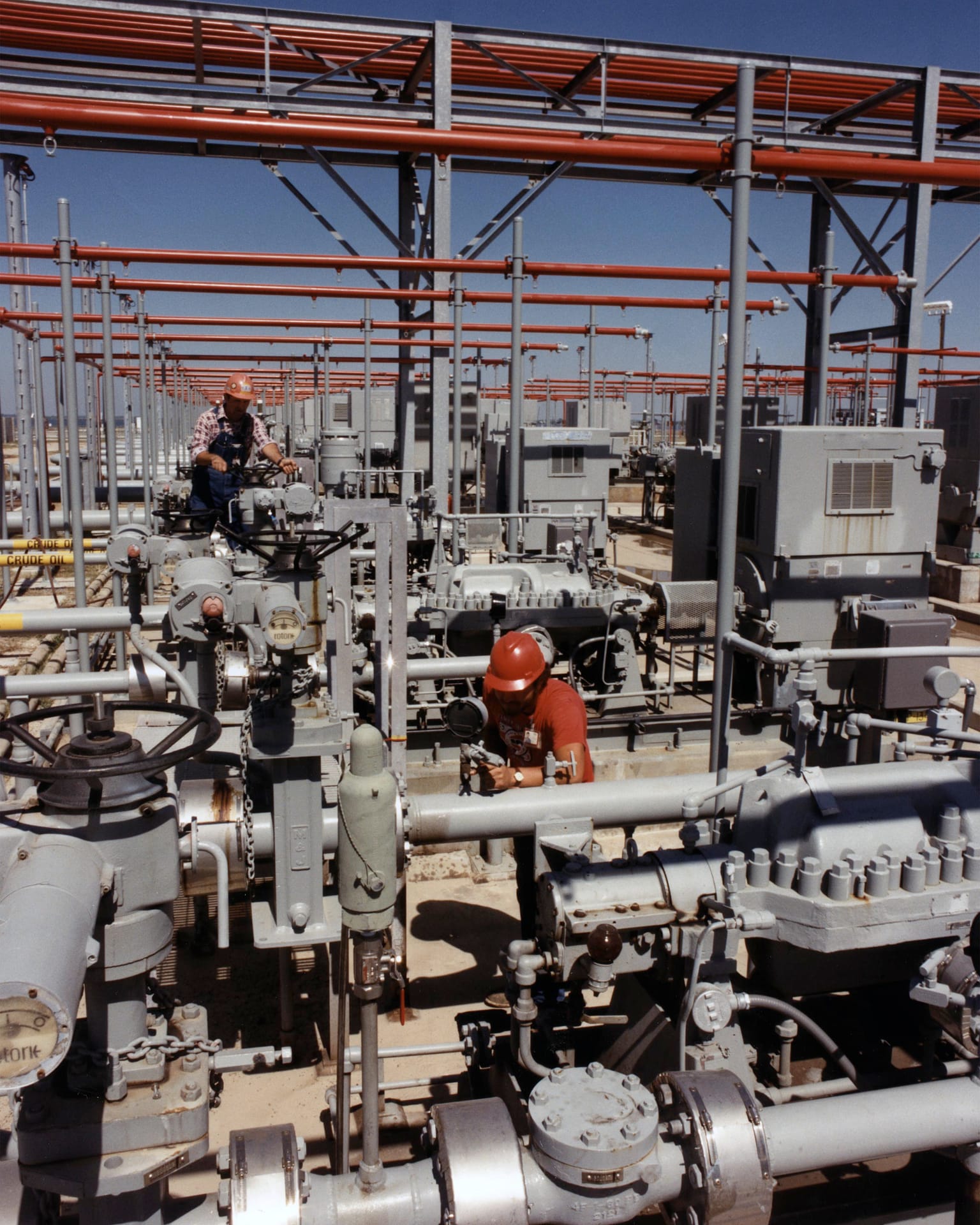
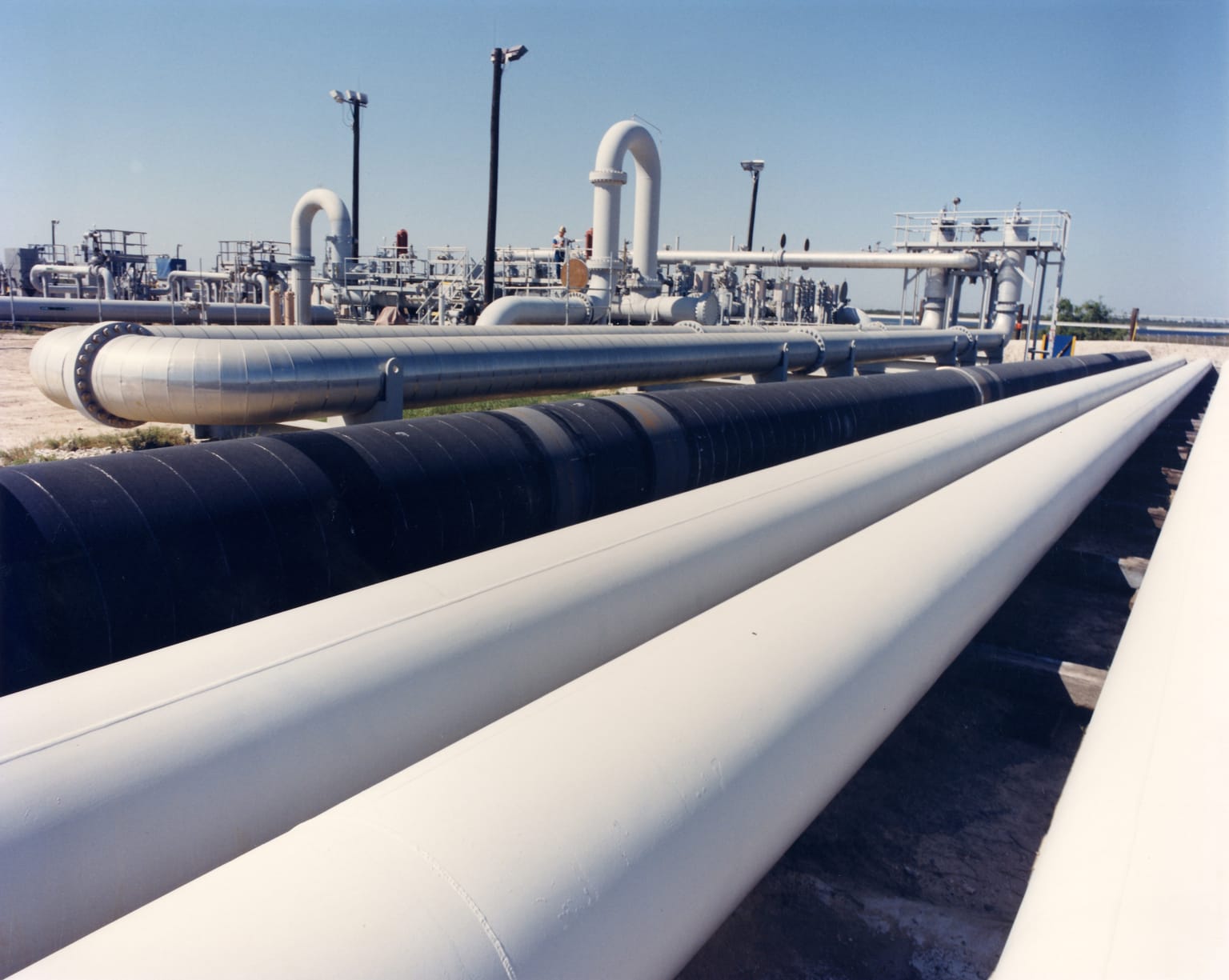
WTI crude was the session's standout mover, exploding +6% to $105.57/barrel. Brent crude tracked the move closely. The catalyst is the "Hormuz Blockade" crisis: Iran has reportedly threatened to close the Strait of Hormuz — through which roughly 20% of global oil supply passes — if US military action begins. An April 6 diplomatic deadline is now the market's focal point.
Trump's primetime address made clear that the US military would enter "a more aggressive phase" within two to three weeks. That is not the language of de-escalation. Oil traders are repricing the probability that a physical disruption to Hormuz shipping lanes becomes reality, even temporarily. Oil at $105 with an active blockade threat already in the price still has meaningful upside if the situation deteriorates — analysts at FX Leaders have flagged $106.30 as the next technical resistance, with the $110 area as the ultimate test if the April 6 deadline passes without a diplomatic breakthrough.
Key levels for WTI:
- Support: $101.50 — the session open and prior consolidation floor
- Support: $98–$100 — major psychological support zone
- Resistance: $106.30 — intraday ceiling not yet cleared
- Resistance: $108–$110 — the next structural zone if Hormuz fears intensify
The geopolitical risk premium in oil is now significant. Any credible diplomatic signal before April 6 would likely flush $4–$6 out of the price quickly. Conversely, a breakdown in talks or any Iranian naval action in the Strait would send WTI above $110 rapidly. Oil is the highest-beta geopolitical trade in the portfolio right now.
Bitcoin: $66,200 — Risk-Off Hits Hard, $65K Is the Line
Bitcoin opened at $68,097 and sold off throughout the session to $66,200, a decline of approximately 2.8–3%. Total crypto liquidations for the day exceeded $420 million, with long positions taking the majority of the damage. The Fear & Greed Index dropped to 27.
The Iran escalation is doing exactly what geopolitical shocks always do to crypto: it triggers institutional de-risking. When oil spikes 6% on war fears, portfolio managers across every asset class trim exposure to high-beta positions. Bitcoin, sitting at the speculative end of the spectrum, is an easy trim. The move was amplified by the PPI surprise and the Goldman rate-cut delay — both of which remove near-term monetary tailwinds for crypto.
The level everyone is watching is $65,000. A weekly close below that prints the first structural breakdown signal since the Q1 2026 selloff began. Below $65K, analysts broadly target the $60,000–$62,000 range as the next area of meaningful support. Ethereum matched the weakness, declining to approximately $2,010.
- Support: $65,000 — the critical near-term floor; a weekly close below triggers the next leg lower
- Support: $60,000–$62,000 — structural support zone if $65K fails
- Resistance: $68,500 — today's opening level; reclaiming this would neutralize the day's damage
- Resistance: $70,000–$72,000 — the ceiling that capped every rally in Q1
One medium-term positive worth noting: the CLARITY Act Senate markup is back on the calendar for late April. If geopolitical noise settles and regulatory clarity arrives before the May floor vote deadline, the fundamental setup for crypto in Q2 looks materially different. For now, the tape is controlled by macro and geopolitics.
S&P 500: Down 0.52% — Inflation and War Weigh on Equities
The S&P 500 closed at approximately 6,541, down 0.52% on the session. The Dow Jones shed 0.48% to approximately 46,269. The Nasdaq was the relative laggard, with tech facing the double pressure of higher yields and China trade friction via the Liberation Day tariff anniversary.
The S&P is now down roughly 6–7% from its all-time high of 7,002 set in January. Today's session had no meaningful positive catalyst to counterbalance the hawkish data and geopolitical noise. The VIX remains elevated — fear is present but not at panic levels. Dip buyers have shown up at every pullback since the Iran conflict began; the question is whether today's PPI print and Goldman's rate cut delay finally shake their confidence.
Key levels for the S&P 500:
- Support: $6,400–$6,450 — the zone where systematic buyers have stepped in repeatedly
- Support: $6,350 — a break here would mark a technical correction from the January highs
- Resistance: $6,600 — reclaiming this level would signal the pullback is fading
- Resistance: $6,700 — intermediate target on any Iran de-escalation bounce
Q1 earnings season kicks off in mid-April. With tariffs in place, oil elevated, and rate cuts pushed further out, guidance calls will be the real market-mover. Consensus still projects Q2 S&P 500 earnings growth of 18.7% — that bar gets harder to clear every day oil stays above $100.
What Drove the Day: The Four Forces
1. Trump's Iran Address. The primetime announcement that the US military campaign would enter a "more aggressive phase" within two to three weeks was the single biggest market catalyst of the day. It repriced oil up $6, flushed crypto, and kept equity indices in the red.
2. PPI Surprise. Headline PPI came in at +0.5% (vs. +0.2% expected) and Core PPI at +0.6% — the hottest monthly reading in five months. This reinforced the narrative that tariff-driven inflation is embedding itself in wholesale prices and that the Fed's path to cuts is getting longer, not shorter.
3. Jobless Claims Beat. Initial claims at 202,000 — below the 215K estimate — confirmed the labor market is not cracking. That's good news for the economy but bad news for anyone hoping for emergency rate cuts. Goldman Sachs pushed their first 2026 rate cut forecast to September.
4. Liberation Day Anniversary. April 2 marks one year since Trump's sweeping tariff package. Yale Budget Lab data released today quantified the toll: a -0.4 percentage point drag on 2026 GDP, a +1.3% consumer price level increase, and an average household loss of approximately $2,100. The current effective tariff rate of 14.3% is the highest since 1939.
Tomorrow's Economic Calendar — Friday, April 3, 2026
| Time (UTC) | Event | Importance |
|---|---|---|
| 12:30 UTC | US Non-Farm Payrolls (March) | Very High |
| 12:30 UTC | US Unemployment Rate (March) | Very High |
| 12:30 UTC | Average Hourly Earnings (March) | High |
| All Day | Iran — April 6 Diplomatic Deadline Watch | Very High |
| All Day | Fed Rate Cut Repricing (Goldman: September) | High |
NFP is the week's defining release. After today's PPI shock and strong jobless claims, consensus is laser-focused on the jobs number. A weak print — say, below 150K — would immediately reverse the rate cut delay narrative, send yields and the dollar lower, and likely produce a sharp gap up in gold and a relief bounce in crypto. A strong print above 200K cements Goldman's September call and keeps all three risk-off trades (long oil, short BTC, short SPX) running into next week.
Assets to Watch Friday
- GLD / IAU — Gold ETFs will gap on NFP at 12:30 UTC. The $4,690 intraday resistance is the number to watch — a clean break above on weak payrolls triggers the next leg toward $4,760.
- USO / BNO — Oil ETFs are pricing a Hormuz blockade risk. April 6 is the diplomatic deadline. Any resolution headline before then would produce a sharp 4–5% selloff in crude. Any breakdown means $110+ oil and continued pain for equities.
- BTC — The $65,000 weekly close is everything. Bulls need a hold here to prevent a structural breakdown. Weak NFP could give the relief bounce needed; strong NFP may be the catalyst that finally cracks the level.
- SPY — Watch the 6,450–6,500 support zone. Systematic buyers have defended this area all quarter. NFP miss + Iran de-escalation = quick bounce to 6,600. NFP beat + Hormuz escalation = test of 6,400.
- DXY — The dollar at strong levels is the linchpin. If NFP disappoints and DXY rolls over below 100, every commodity and crypto gets a simultaneous tailwind.
- XLE / CVX / XOM — Energy sector plays on the Hormuz binary. Long if you believe April 6 passes without resolution; tactical short if diplomatic signals emerge overnight.
The Setup in One Paragraph
April 2, 2026 ends with the market caught between two competing forces: a geopolitical shock (Iran/Hormuz) that drives safe-haven and commodity demand, and a macro data shock (hot PPI, tight labor market) that removes the monetary easing story. Gold is volatile but structurally bid. Oil is the clearest expression of the geopolitical risk premium. Bitcoin and equities are absorbing the dual hit. Everything pivots on tomorrow's NFP and the April 6 Iran deadline — two binary catalysts arriving within 72 hours of each other. Position accordingly.