The Big Picture: One Day, Two Oil Prices
Monday, April 6 opened with WTI crude spiking to $115.48/barrel — within striking distance of the cycle high — as markets digested the expiry of the original April 6 Iran diplomatic deadline. By mid-session, the same barrel was trading at $109, down over 5% from the morning peak, after Pakistan's Field Marshal Asim Munir announced the Islamabad Accord: a two-phase ceasefire framework backed by Egypt and Turkey.
That single session swing is the story of this market right now. Geopolitics has become the primary price driver for oil, gold, equities, and — by correlation — crypto. Every diplomatic headline generates a 3-5% move in crude and cascades immediately into everything else. Today's session was a clean demonstration: the war premium has been priced in for weeks, but the market still reacts violently in both directions on fresh ceasefire signals.
The critical caveat: Trump stated the Islamabad Accord is "not good enough." A new White House ultimatum deadline has been set for tomorrow, April 7 at 8:00 PM ET (00:00 UTC April 8). Failure to restore freedom of navigation through the Strait of Hormuz triggers threatened US air strikes. This is tomorrow's primary market event — everything else is secondary noise.
Oil: From $115.48 to $109 in a Single Session
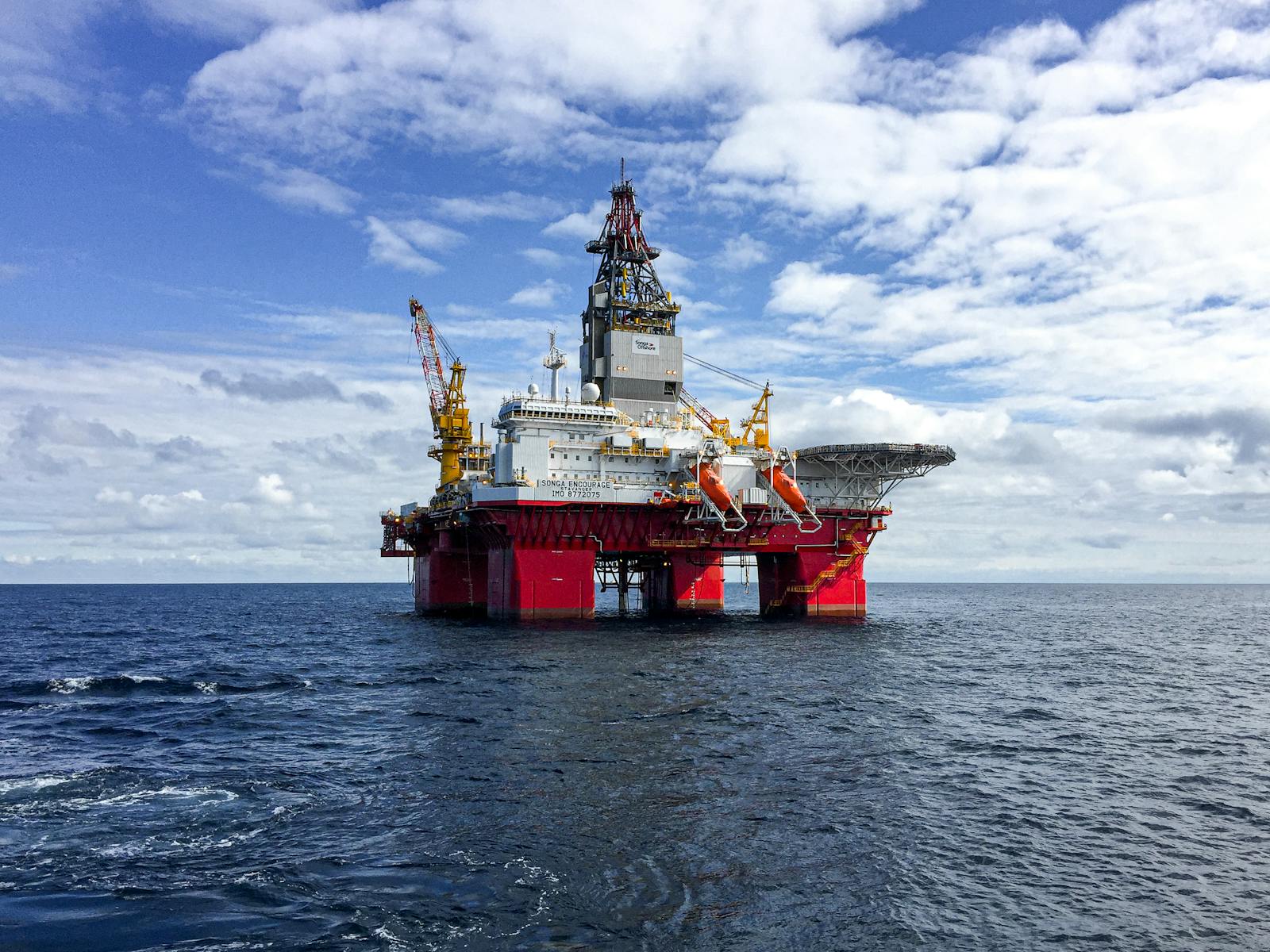
WTI crude opened above $113/barrel and briefly spiked to $115.48 before the ceasefire news hit. The subsequent retreat to $109 represents the largest single-session pullback since the Iran conflict began in Q1, but the broader context remains extreme: WTI is still up roughly 90% from late February levels, and Brent crude remains above $110/barrel.
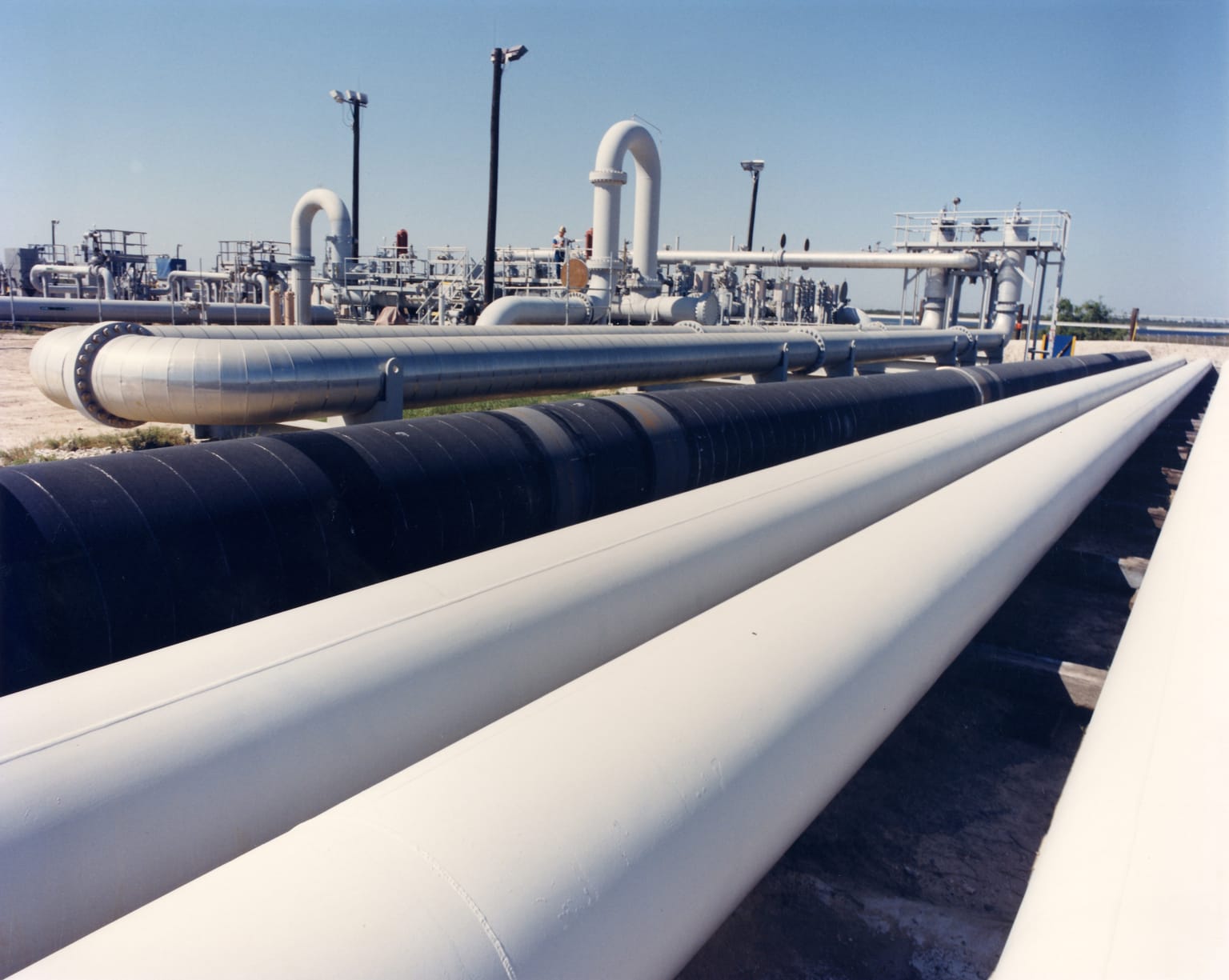
The Strait of Hormuz disruption — which has cut roughly 20 million barrels per day of transit capacity — is not resolved. Phase 1 of the Islamabad Accord calls for a 45-day cessation of hostilities to allow stranded tanker passage; Phase 2 involves a 20-day window for uranium enrichment negotiations. But Trump's rejection of the current framework means Phase 1 has not been agreed. Until tankers are moving again, $109 is a relief rally, not a resolution.
Key oil levels for tomorrow:
- $115-116: Intraday spike zone. A ceasefire collapse would push back here rapidly.
- $109-110: Current area. Where we are on partial ceasefire optimism.
- $105-108: If a genuine 45-day ceasefire is confirmed, this is the near-term target.
- $130+: The scenario if tomorrow's White House deadline triggers military action.
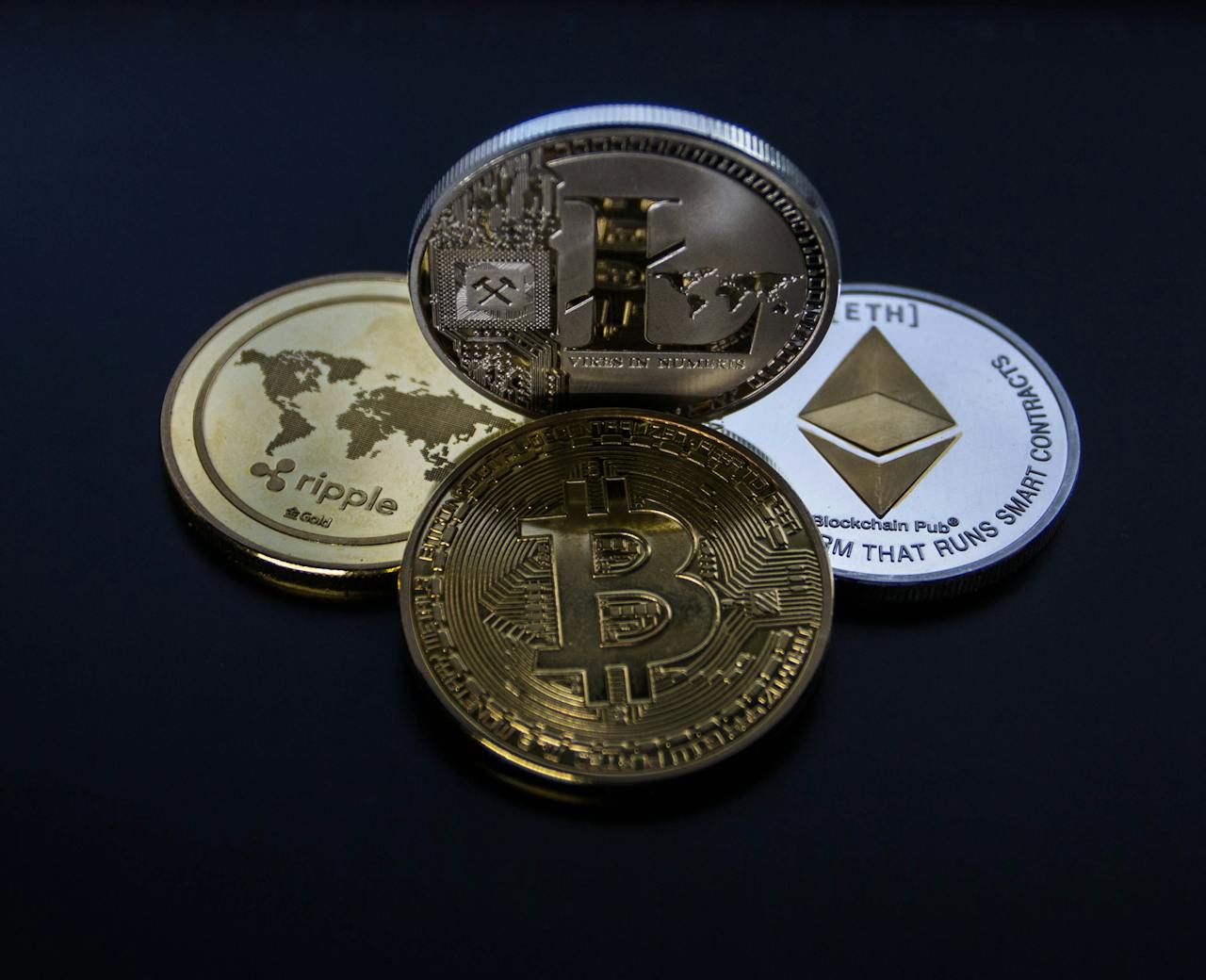
BTC surged to $69,874 (+3.7%) and ETH to $2,146 (+4.1%) as ceasefire optimism sparked a broad crypto rally — the biggest single-day bounce in weeks
Gold: $4,676 — War Premium Partially Unwinds
Gold pulled back to $4,676/oz, down 2.2% from Friday's close of $4,786. The retreat is a direct read on the ceasefire news: gold's move higher since February has been partly driven by the Iran war premium and partly by structural safe-haven demand. When oil drops on ceasefire hopes, some of that war premium comes out of gold too.
The structural case remains intact. Gold is still up significantly from pre-conflict levels, central banks are still accumulating, and the inflation story — oil above $100 feeding into CPI — is supportive of the medium-term bull case. The January 2026 all-time high of $5,608 is 20% above current levels; the path back there requires either Iran escalation or sustained inflation pressure that forces a hold on rate cuts through Q3.
For gold traders: the key support zone is $4,620-$4,640. A confirmed ceasefire deal would likely push gold toward this zone as the war premium fully unwinds. From there, the structural buyers (central banks, ETF inflows) typically step in. A ceasefire collapse would reverse today's move and push gold quickly back toward $4,750-$4,800.
Bitcoin: $69,874 — Relief Rally in Extreme Fear
Bitcoin ended the session at $69,874, up 3.7% on the day. Ethereum hit $2,146, up 4.1%. The Magnificent Seven ETF (MAGS) gained 5.1% for the week and NVIDIA surged 6% on Monday alone — risk assets broadly benefited from ceasefire optimism, and crypto moved with them.
The macro-level disconnect remains striking: the Fear and Greed Index is at 13 (Extreme Fear), yet Bitcoin is up 3.7% today. The explanation is that the index reflects broader market positioning and sentiment — the combination of Iran war risk, oil-driven inflation, potential Fed rate hike (now priced at 52% probability), and 47 consecutive days of extreme fear has kept structural buyers on the sidelines even as tactical relief rallies occur. Today's move is the same pattern as previous ceasefire-optimism bounces: sharp, sentiment-driven, and fragile.
The critical level to watch remains $65,000. Bitcoin has not broken below this level during the entire April correction. A confirmed ceasefire tomorrow could push BTC toward $72,000-$74,000. A breakdown in talks — triggering the White House ultimatum — would likely retest $65K with force.
S&P 500: +0.19% on the Day, +3.4% on the Week
The S&P 500 closed at approximately 6,598, up a modest 0.19% on the session. The real story is the weekly picture: the index gained 3.4% last week, snapping a five-week losing streak in its best weekly performance in four months. Airlines (Delta, United) led on Monday as oil's retreat from the morning spike reduced fuel cost concerns. NVIDIA's 6% gain carried the tech sector.
The S&P 500 remains down 3.5-3.8% YTD, well off the January all-time high of 7,002. The market is not out of the woods — earnings season begins this week and the Iran situation is unresolved. But Monday's price action confirms that the market has built in a substantial war premium: any credible ceasefire move triggers sharp relief rallies.
Earnings to watch this week: JPMorgan, Wells Fargo, and Citi report Friday. Bank CEO guidance on the economic outlook will be closely watched given the oil-driven margin pressure and potential consumer spending slowdown.
Tomorrow's Economic Calendar - April 7
- All Day -- Iran Ultimatum Deadline (00:00 UTC April 8): The White House deadline for Iran to restore Strait of Hormuz freedom of navigation expires at 8:00 PM ET on April 7 (00:00 UTC April 8). This is the single highest-impact event of the week. The Islamabad Accord is on the table but Trump has called it "not good enough." Any White House statement, Iranian response, or military movement during April 7 will move oil, gold, and equities sharply. IMPACT: EXTREME.
- No Major Scheduled US Data for April 7: The economic calendar is relatively quiet. The focus is entirely on Iran headlines. Fed speakers are permitted (outside the April 18-30 blackout window) but none are confirmed.
- Wednesday, April 8 at 18:00 UTC -- FOMC Minutes: The minutes from the January 27-28 FOMC meeting. Given that markets have since moved from pricing rate cuts to pricing rate hikes (52% probability now), the tone of January's discussion will be read through that new lens. Any language about inflation monitoring or data-dependence will be amplified. IMPACT: HIGH.
- Friday, April 10 at 12:30 UTC -- US CPI (March): The week's most important scheduled data release. Oil above $110 for most of March will feed directly into headline CPI. BNP Paribas projects +0.9% month-on-month. A print above 3.5% year-on-year would remove remaining 2026 rate cut expectations and add weight to the rate hike probability. Gold and oil will move sharply on this release. IMPACT: EXTREME.
Stocks and ETFs to Watch
- XLE (Energy Sector ETF): The most direct play on tomorrow's Iran outcome. Ceasefire = sell; escalation = buy. Up significantly YTD as the highest-performing sector in 2026.
- ExxonMobil (XOM) / Chevron (CVX): Pared today's early gains as oil retreated. Watching for direction on tomorrow's deadline.
- Delta Air Lines (DAL) / United Airlines (UAL): Led Monday's session on oil pullback. Levered plays on the ceasefire scenario -- a 45-day halt to hostilities and Hormuz reopening would dramatically reduce fuel costs heading into summer travel season.
- NVIDIA (NVDA): +6% on Monday. AI infrastructure spending appears resilient despite the macro headwinds. Watching $177 as the first resistance level to hold.
- Pfizer (PFE) / Eli Lilly (LLY): Under structural pressure from Trump's 100% tariff on branded drug imports. Any escalation in the pharma tariff situation would hit both names significantly.
- GLD (Gold ETF): Pulled back 2.2% with spot. If tomorrow's Iran deadline triggers escalation, GLD reverts to its crisis bid rapidly. Support around $432-434.
For trading gold and oil through tomorrow's Iran deadline with defined risk, Bybit's TradFi platform provides USDT-margined XAU/USD and WTI crude CFDs with tight spreads -- useful for navigating binary geopolitical outcomes.