Why This Lesson Matters
Most new traders lose money for one simple reason: they picked the wrong trading style before they even placed their first trade. There are exactly two approaches to trading, systematic and discretionary, and if you get this wrong, nothing else you learn will matter. This is Lesson 1 of the ThriveInMarkets free trading course, and it is the lesson I wish someone had drilled into me before I lost my first trading account on a feeling.
Watch the full video above for the complete walkthrough with charts and examples, or read the written breakdown below.
1. What Is Systematic Trading?
A systematic trader operates with a rulebook. Everything is defined upfront: your entry, your exit, your risk. The market gives you a signal, you follow it. No second-guessing, no opinions, just rules and data. Think of it like a recipe. If the ingredients match, you cook. If they do not, you wait.
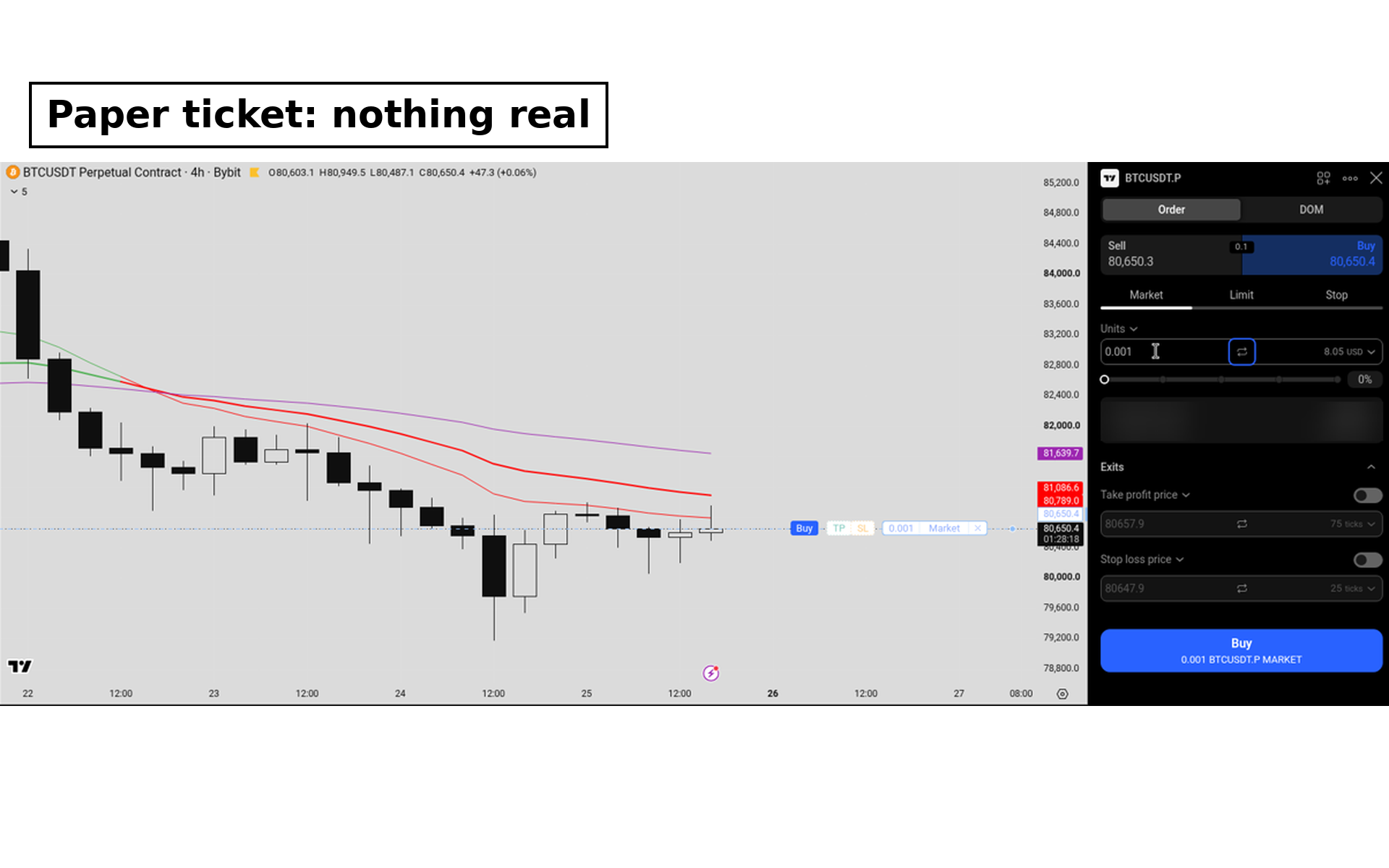
The simplest example: buy when the RSI drops to 30. That is your rule. You set an alert, you wait, it triggers, you enter. Done. You did not need to scroll Twitter. You did not need to ask anyone. Your system told you what to do.
- Rules over feelings -- entry, exit, and risk are defined before you click the button
- Backtesting becomes possible -- you can test your rules against years of historical price action
- Repeatable, measurable, improvable -- if you can not measure your decisions, you can not improve them
2. What Is Discretionary Trading?
A discretionary trader does the opposite. They make decisions in real time based on judgment, experience, and their read of the market. On paper that sounds powerful, but here is the problem. Most people who think they are trading discretionary are actually just trading on emotion. There is a huge difference between experience-driven judgment and feeling-driven guessing, and most retail traders never close the gap.
Discretionary trading works for traders who have spent years building a deep mental model of price action. For everyone else, it is a fast track to blowing up an account.
3. Why You MUST Start Systematic
There are five reasons systematic is the only valid starting point for any new trader.
One: it removes emotion. When your trade is based on a rule, you are not panicking when it goes against you. You entered because your system said to. You exit because your system says to. Your ego never has to show up.
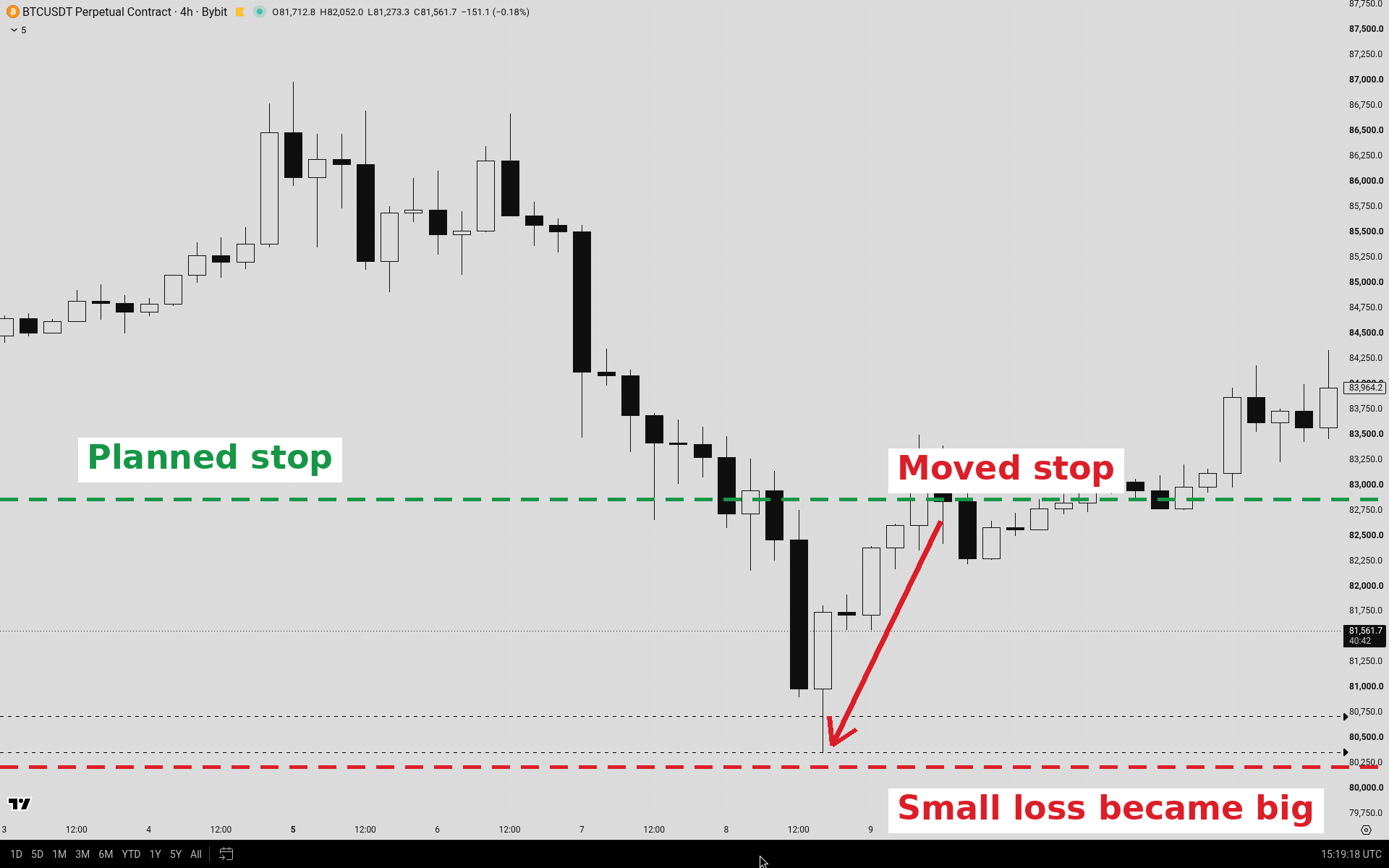
Two: clear risk management. Your system tells you where to enter, and it also tells you exactly where you are wrong. Stop loss is defined before you even place the trade. No moving stops. No hoping. No holding losers.
Three: it is the only way to actually learn. Most new traders see someone posting gains, copy the trade, win once, lose three times, and have no idea why. That is not learning. That is gambling. Systematic trading forces you to track results and review data. Real numbers: win rate, average win, average loss, expected value. That is how you improve.
Four: backtesting. You can test your strategy on years of historical data before risking a single dollar. You get real numbers. You can not backtest a gut feeling. You can not improve what you can not measure.
Five: shorter learning curve. The fastest way to learn anything is to collect data, analyze it, and adjust. Systematic trading is exactly that, applied to the markets.
- Removes emotion -- rules execute, not feelings
- Clear risk management -- stop loss defined before entry, every time
- Forces real learning -- track win rate, avg win/loss, expected value
- Backtestable -- prove your edge on historical data before risking real capital
- Shorter learning curve -- structured data feedback beats random guessing
4. The Discretionary Death Spiral (Real Example)
Here is the pattern I see constantly. Someone sees a tweet, goes long with no system, no stop. Trade goes against them. They move their stop. They average down. And eventually they blow up. I had a situation early on where I saw Bitcoin pumping, went in based on a feeling, no plan, no stop loss. Within hours I was deep in the red, holding and hoping. That is what discretionary looks like when you have not earned it. You enter on emotion, you have nothing telling you where you are wrong, so you just hold and pray.
The worst part: you can not fix what you can not measure. If your entries are based on "it felt right," there is nothing to go back and review. Nothing to improve. Studies have shown that roughly 50% of discretionary accounts underperform the market and only about 20% generate above-market returns, and those statistics are for experienced discretionary traders, not beginners.
5. Earning Your Discretion (The Long Game)
I am not saying discretionary trading does not work. It absolutely can, but it is earned. You build your systematic foundation first. You test it. You trade it. You track every single trade. You review your data weekly. Then, after serious time in the market, after you truly understand structure, probability, and yourself as a trader, only then do you layer in some discretionary judgment on top of your system.
The best traders use both. But the system always comes first. Always.
Wrap Up: The Path
Systematic means rules, data, consistency, and clear risk management. That is your starting point. No exceptions. Discretionary means judgment, intuition, and flexibility, but only after years of systematic experience.
Start with a system. Build clear rules. Test them. Track everything. That is the path, and that is exactly what we are building in this course lesson by lesson. In Lesson 2: Before Your First Trade, we cover spot vs perpetual futures, centralized vs decentralized exchanges, and the order types you need to know before you place your first real trade. If you do not understand the difference between spot and perp, you could accidentally be trading with 100x leverage without realizing it.
If you trade crypto, I personally use Bybit for the liquidity, the perpetual futures market, and the order tools we cover in later lessons. You can sign up on Bybit with code THRIVENEX through that affiliate link. Disclosure: it is an affiliate link, but I use the platform myself.
Subscribe on YouTube and check out the full course to follow the rest of the lessons as they drop. New videos every week.