Stocks Notch Fresh Records As Hot PCE Fails To Stall The Rally
The dominant cross-asset story into the Friday European open is that Wall Street closed at fresh record highs on Thursday even as the hottest inflation print in nearly three years crossed the tape. The S&P 500 added 0.58 percent to a record close of 7,563.63, the Nasdaq Composite climbed 0.91 percent to a record 26,917.47, and the Dow Jones Industrial Average edged up 0.05 percent to 50,668.97 per TheStreet's market wrap and The Motley Fool. Both the S&P and the Nasdaq also printed fresh intraday all-time highs. The rally extends the constructive setup tracked in our May 28 morning analysis, with technology resuming leadership after Snowflake's blowout guidance reignited the AI trade. S&P 500 and Nasdaq 100 futures are trading near the flatline into the European session, with Dow futures up roughly 7 points, as traders digest the inflation print, a reported Iran ceasefire framework, and month-end positioning. Reference structure: the bullish trigger remains a clean hold above the 7,563 record close; the structural test sits at the 7,500 round-number zone, with the prior consolidation floor near 7,463.
- S&P 500 record close 7,563.63 (+0.58%) on Thursday May 28
- Nasdaq Composite record 26,917.47 (+0.91%); Dow 50,668.97 (+0.05%)
- Both S&P and Nasdaq printed fresh intraday all-time highs
- Technology resumed leadership on the Snowflake-led AI bid
- Reference: bullish above 7,563 record, structural test at 7,500
April PCE Prints 3.8% Year-Over-Year, Hottest Since 2023
The macro print that defined Thursday's session was the April Personal Consumption Expenditures (PCE) price index, the Fed's preferred inflation gauge. Headline PCE rose 3.8 percent year-over-year, up from 3.5 percent in March and the highest reading in nearly three years per CNBC. The monthly figure increased 0.4 percent, which came in slightly cooler than the 0.5 percent economists had feared, providing just enough relief for risk assets to shrug off the year-over-year jump. The energy complex did the heavy lifting on the headline as the April Iran-driven oil spike fed through to consumer costs. The structural read: sticky inflation well above the Fed's 2.0 percent target makes a near-term rate cut difficult, and traders initially dumped Treasuries before the in-line monthly print stabilized the bond market. The CME FedWatch tape continues to price a hold at the June 16-17 meeting as the base case, with new Fed Chair Kevin Warsh, sworn in May 23, expected to anchor the rate corridor at current levels. The 3.8 percent print confirms the sticky trajectory flagged in our May 13 CPI analysis.
- Headline PCE +3.8% YoY, up from 3.5% in March, hottest since 2023
- Monthly +0.4% came in cooler than the feared +0.5%
- Energy costs drove the headline on the April oil spike pass-through
- FedWatch still prices a hold at the June 16-17 FOMC as the base case
- Sticky inflation keeps a near-term cut difficult under Chair Kevin Warsh
Iran-US 60-Day Hormuz Ceasefire MOU Eases Oil Back To $89
The geopolitical tape flipped from Thursday's escalation to a de-escalation framework overnight. WTI front-month crude eased to roughly $88.71 per barrel, down 0.21 percent on the day per Trading Economics, pulling back from the above-$91 spike that followed the Bandar Abbas strikes tracked in our May 28 morning analysis. The catalyst: reports that the United States and Iran have reached a 60-day memorandum of understanding that would extend the ceasefire and launch negotiations on Tehran's nuclear program. Per Axios, the framework would reopen the Strait of Hormuz with no tolls, require Iran to clear the mines it deployed, and let Iran sell oil freely in exchange for the US lifting its port blockade and issuing some sanctions waivers. President Trump has asked for a couple of days to consider the deal, and the nuclear-program component remains unresolved, which is why oil has eased rather than collapsed. Traders were also whipsawed this week by a bogus Iran-US peace report that briefly moved the tape, keeping positioning cautious. Reference structure: WTI structural softening extends below the $88 floor on a confirmed sign-off; the war premium only rebuilds above the $95 zone if the framework collapses, with the May 17 high near $108 as the tail risk.
- WTI $88.71 (-0.21%), eased from above $91 on the ceasefire reports
- Reported 60-day MOU: reopen Hormuz, clear mines, Iran sells oil freely
- US would lift the port blockade and issue some sanctions waivers
- Trump asked for a couple of days; nuclear component still unresolved
- Reference: softening below $88; war premium rebuilds only above $95
Bitcoin Slides Below $73K As Spot ETF Outflows Top $733M
Crypto remains the weakest corner of the cross-asset tape. Bitcoin trades approximately $73,392, down 1.27 percent over 24 hours and sitting near its lowest level in roughly six weeks per the TradingView tape. The driver is a sustained reversal in spot ETF demand: BlackRock's iShares Bitcoin Trust (IBIT) shed $527.84 million on Wednesday, its second-largest single-day outflow on record, and the eleven US spot bitcoin ETFs together lost $733.43 million that session per CoinDesk. The complex has now bled more than $2 billion over two weeks, with a $1.29 billion dark-pool block sale in IBIT on Tuesday underscoring that institutional flows have flipped from accumulation to distribution. The mechanism is self-reinforcing: redemptions force issuers to sell the underlying bitcoin to settle exits, which pressures spot, which drives further redemptions. Ethereum trades near $2,015, down roughly 6 percent on the week and the relative laggard. Reference structure: BTC structural support sits at the $72,000 zone from early May; a sustained reclaim of $77,000 would repair the breakdown, while the ETH bullish repair sits at the $2,200 reclaim.

- BTC $73,392 (-1.27% 24h), near a six-week low
- IBIT -$527.84M Wednesday, the second-largest daily outflow on record
- All 11 US spot ETFs -$733.43M that session; >$2B over two weeks
- $1.29B dark-pool block sale in IBIT signals distribution, not accumulation
- ETH $2,015 (-6% week); BTC support $72K, repair on $77K reclaim
Asia Rallies To Records As Nikkei Jumps 2.5% And Kospi Hits New High
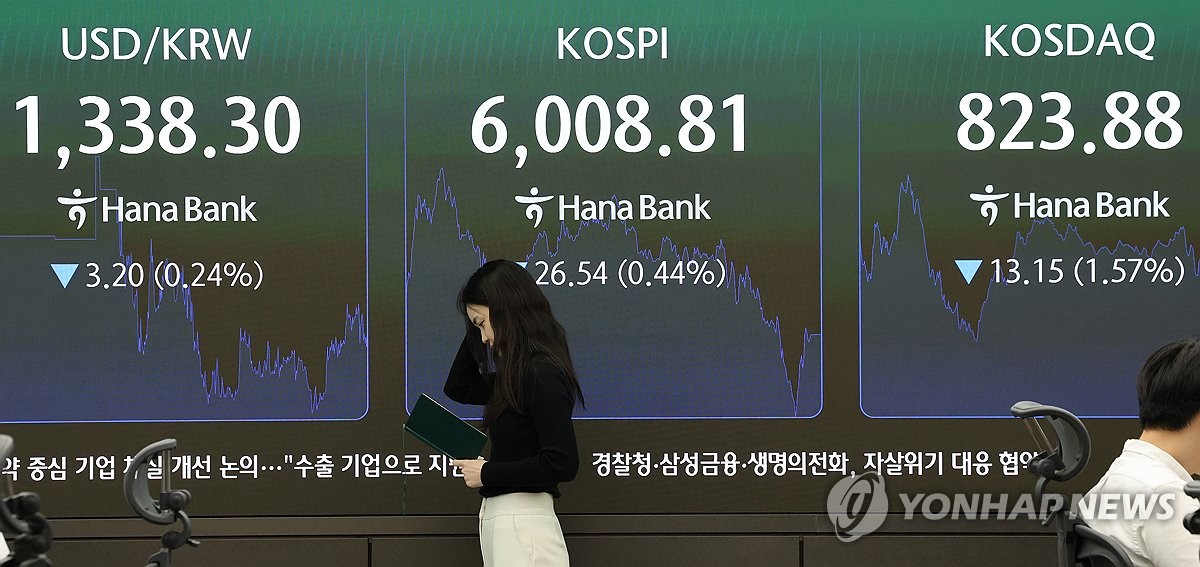
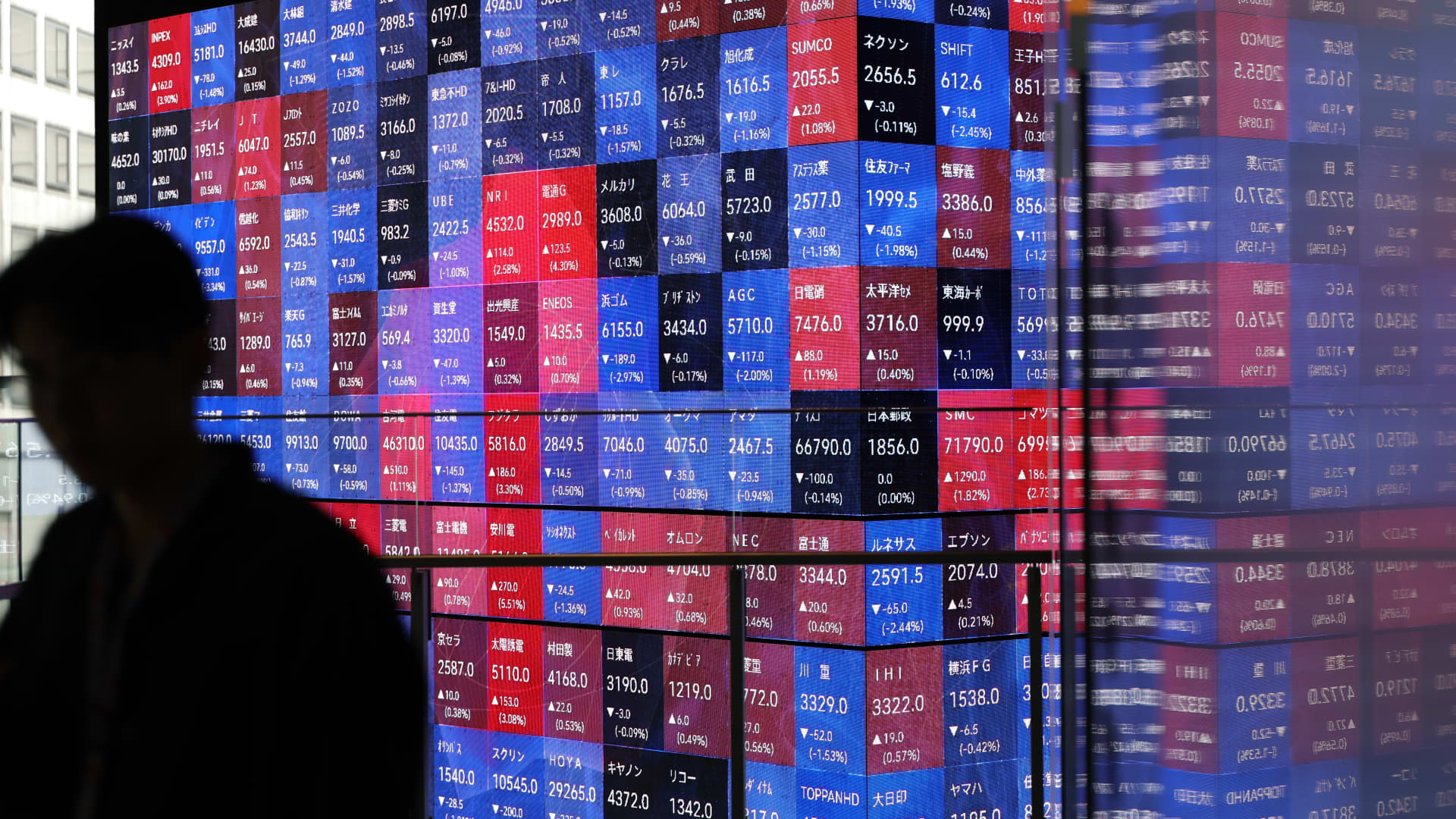
The Asia-Pacific tape front-ran a global risk-on rotation on Friday, looking past the Iran headlines to focus on the Wall Street records and the AI-led technology bid. Japan's Nikkei 225 climbed 2.49 percent and the broader Topix rose 1.86 percent to a fresh all-time high per CNBC's Asia markets coverage. South Korea's Kospi jumped more than 3 percent to a fresh intraday record before paring gains slightly, extending the semiconductor-led leadership that has driven the regional tape all month. The structural read into the US Friday open is that Asia has again led the global risk rotation, validating the technology resilience that has held US indices at records despite the inflation backdrop. Gold spot trades approximately $4,506, with today's range printing $4,425 to $4,527, as the Iran war premium that built on the Bandar Abbas strikes now fades on the ceasefire framework. Reference frame: gold structural support sits at the $4,425 floor from the early-week consolidation; the war premium only rebuilds above the $4,580 prior session high if the Iran framework collapses.
- Nikkei 225 +2.49%; Topix +1.86% to a fresh all-time high
- Kospi +3% to a fresh intraday record on semiconductor leadership
- Asia looked past Iran, tracking Wall Street records and the AI bid
- Gold $4,506; today range $4,425-$4,527 as the war premium fades
- Reference: gold support $4,425; premium rebuilds above $4,580
What To Watch: Month-End Flows, Iran Sign-Off, June FOMC Setup
The Friday catalyst stack is lighter on scheduled data but heavy on positioning. Friday is the final session of the month, so month-end portfolio rebalancing flows can amplify moves into the close, particularly after a record-setting week for equities. The principal headline risks across the next 72 hours: (1) President Trump's formal decision on the 60-day Iran ceasefire MOU, with a sign-off pulling WTI below $88 and a rejection rebuilding the war premium, (2) any walkback or confirmation of the Hormuz mine-clearing timeline, and (3) follow-through on the bitcoin ETF outflow streak, which has become the dominant crypto driver. Looking ahead, the June 16-17 FOMC meeting is the next major macro event, with the 3.8 percent PCE print reinforcing the hold base case under new Chair Kevin Warsh. Cross-asset implication: a clean Iran sign-off plus continued AI leadership keeps the S&P probing new records into June; a framework collapse or an accelerating ETF bleed reintroduces the two-way risk that defined mid-May. The US cash open will set the tone for the data-light month-end close roughly 75 minutes after the Friday bell.
- Friday is month-end: rebalancing flows can amplify the close
- Watch Trump's decision on the 60-day Iran ceasefire MOU
- Watch the Hormuz mine-clearing timeline and any walkback
- Bitcoin ETF outflows remain the dominant crypto driver
- Next macro event: June 16-17 FOMC; PCE reinforces the hold case
This analysis is published for general market education. ThriveInMarkets is a market commentary publisher and does not provide personal investment advice. Price levels referenced are technical reference points, not instructions to transact. Verify all prices on your own platform before any decision.