Wall Street enters Thursday with the tape trying to look past a geopolitical shock. As previewed in Wednesday's morning analysis, the June FOMC minutes were the week's marquee event, and they landed with a shrug; but overnight the narrative shifted back to the Strait of Hormuz. President Donald Trump declared the US-Iran ceasefire over, US Central Command confirmed a second straight day of strikes on roughly 90 Iranian targets, and oil whipsawed through a fresh risk premium. S&P 500 E-mini futures hover near 7,505, up about 0.3 percent, suggesting traders are willing to buy the dip even as energy volatility returns. Here is what is moving the tape.
Futures Rebound as the Tape Absorbs Hormuz Risk
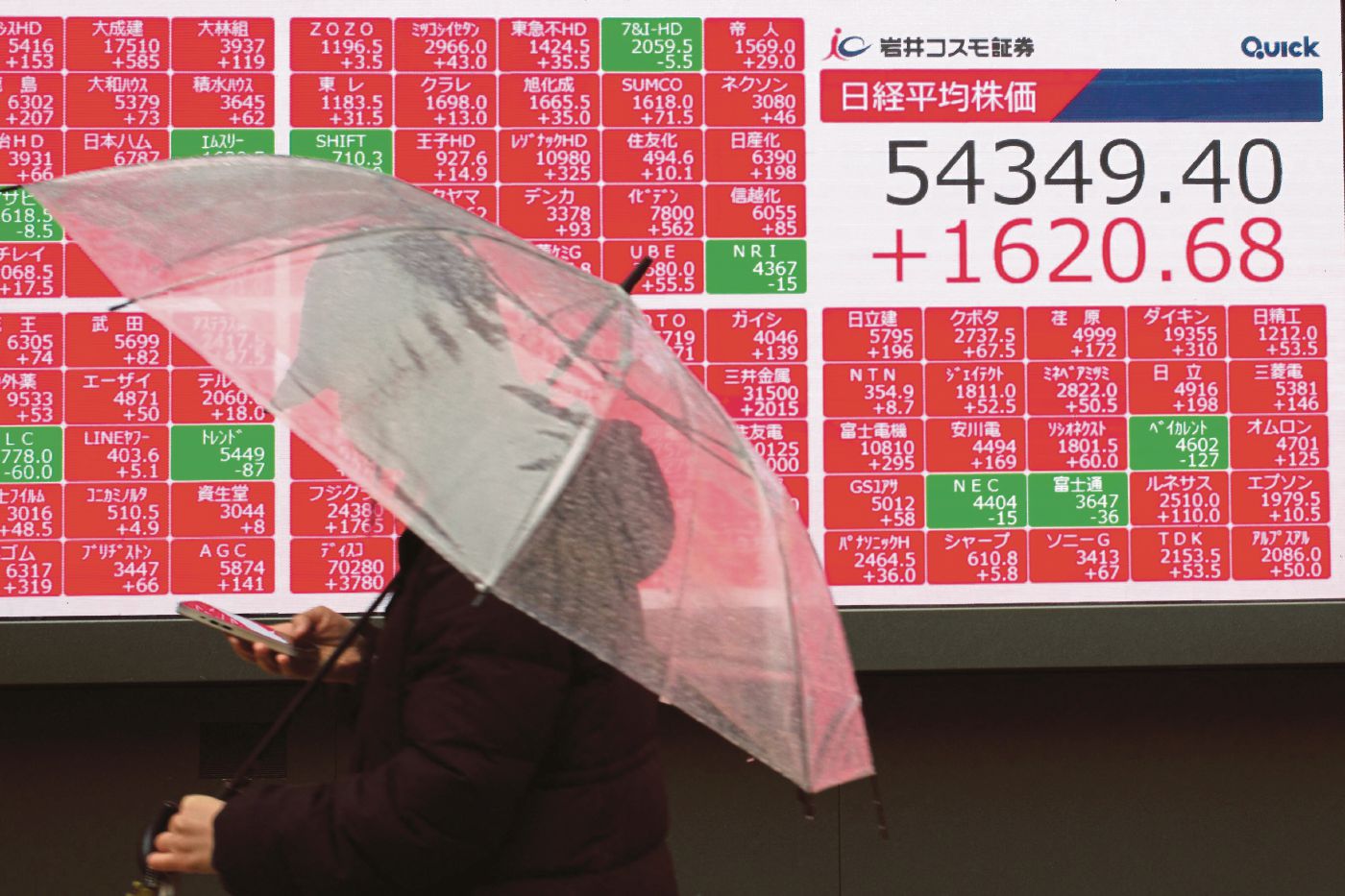
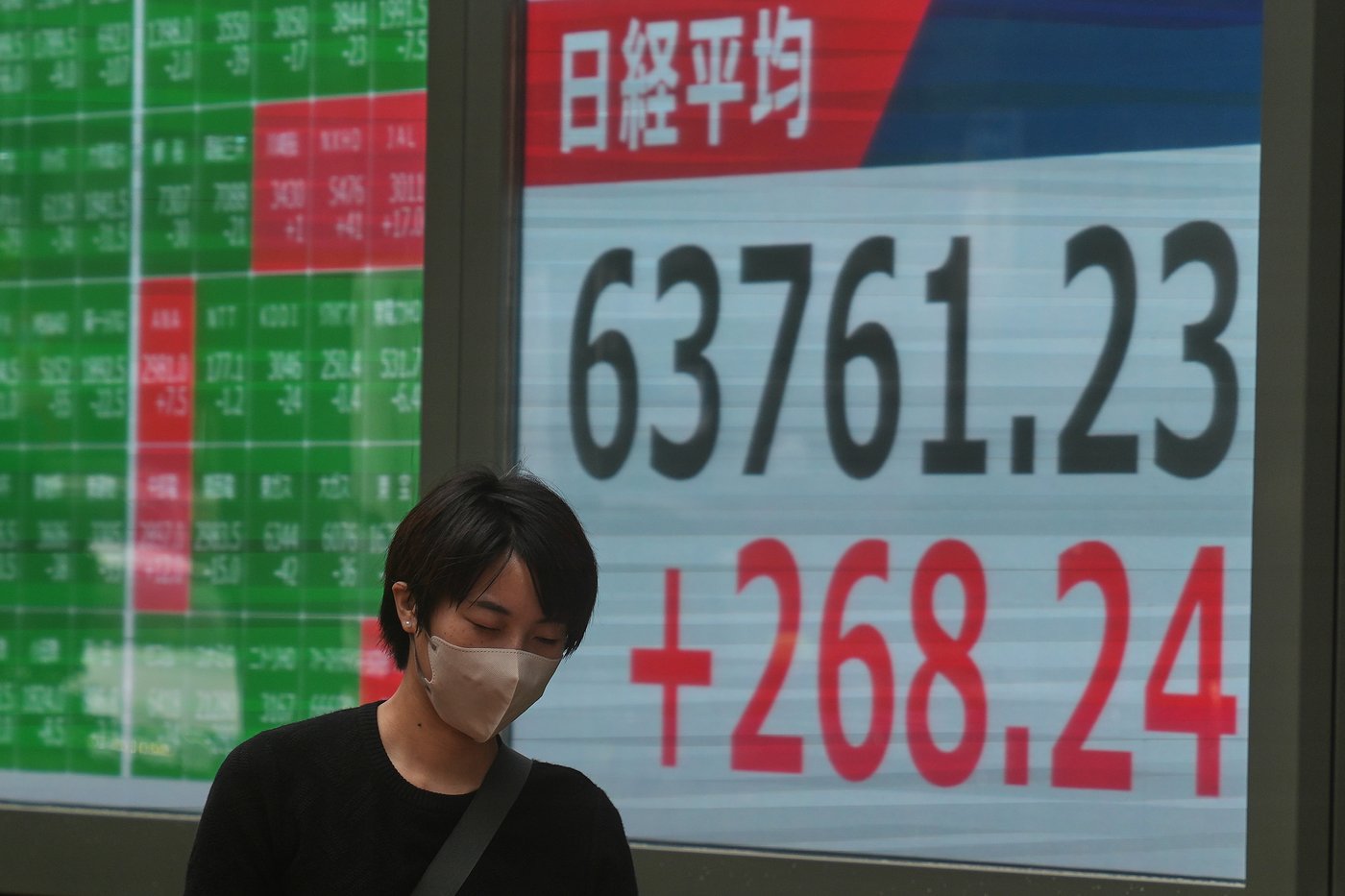
Overnight, US index futures leaned constructive despite the headlines. ES contracts trade near 7,505, up about 0.3 percent, after the S&P 500 closed at 7,482.85 on Wednesday, down 0.28 percent, as the energy spike weighed on the Dow more than the broader index. The Dow Jones Industrial Average fell 576.76 points, or 1.1 percent, on Wednesday, while the Nasdaq Composite actually rose 0.2 percent, aided by a rebound in Nvidia and other chip names after Tuesday's semiconductor selloff. European bourses staged a similar recovery in early trade, with the Stoxx 600 up about 0.5 percent, and Asia was mixed: Japan's Nikkei closed 1.4 percent higher while Hong Kong's Hang Seng slipped. The tone is one of selective risk appetite, not complacency.
- ES futures near 7,505 (+~0.3%) after Wednesday's 7,482.85 close (-0.28%)
- Dow -576.76 points (-1.1%) on oil; Nasdaq +0.2% as chips bounced
- Europe's Stoxx 600 +~0.5%; Asia mixed with Nikkei +1.4%
Trump Declares the Ceasefire Over
The escalation came fast. After Iran attacked at least three commercial vessels in or near the Strait of Hormuz earlier this week, the US revoked its waiver on Iranian oil sales and launched retaliatory strikes. On Wednesday, Trump said that as far as he is concerned, the ceasefire is over, and warned of additional military action, including a possible blockade. US Central Command said Thursday that American forces struck approximately 90 Iranian military targets, including air defence systems, coastal surveillance assets, missile and drone storage sites, and naval capabilities along Iran's coastline, building on roughly 80 targets hit the day before. Tehran retaliated by targeting US bases in Kuwait and Bahrain. Analysts at Rystad Energy noted that tanker traffic through Hormuz has essentially stopped, a more telling signal than any diplomatic statement from either capital.
- Trump declared the ceasefire over after fresh Hormuz tanker attacks
- US forces hit ~90 Iranian targets Thursday, on top of ~80 on Wednesday
- Hormuz tanker traffic has essentially stopped, per Rystad Energy
Oil Whipsaws on the Hormuz Premium
Energy is the cross-current every other market is pricing. WTI crude trades near $72.90, down about 0.8 percent on Thursday after snapping a two-day rally, but the commodity remains well above the sub-$70 levels that prevailed before the latest flare-up. On Wednesday, Brent jumped nearly 6 percent to above $80 a barrel, its steepest rise since the ceasefire began, before easing toward $77.36 in early Thursday trade. The whipsaw reflects a market torn between genuine supply risk, Hormuz traffic grinding to a halt, and the adaptability that let Brent fall more than $50 from its late-May highs above $110. Trump also warned that future strikes could target Iran's Kharg Island export terminal, a reminder that the upside tail risk is still live even when front-month contracts pull back.

- WTI near $72.90 (-~0.8%) after Wednesday's surge; Brent near $77.36
- Brent jumped above $80 Wednesday, the steepest rise since the ceasefire began
- Trump warned strikes could target Iran's Kharg Island export terminal
Fed Minutes Land With a Shrug
The other marquee event played out as expected. The June FOMC minutes, the first of the Kevin Warsh era, confirmed a deeply divided committee: many participants saw the appropriate funds rate within or slightly below the current 3.5 to 3.75 percent range by year-end, while many others assessed it would need to be above that range. The document offered little of the drama Warsh had billed as a family fight, and markets reacted accordingly, with stock futures holding their levels and Treasury yields edging higher. Officials noted that inflation would remain elevated near term before declining as tariff and energy effects wane, but judged that risks to the inflation outlook were still tilted to the upside. They also flagged that strong AI infrastructure demand could sustain upward pressure on technology and electricity prices, a thread that connects directly to the chip trade's resilience on Wednesday.
- June minutes showed a split committee on whether rates end 2026 above or below current levels
- Inflation risks still tilted to the upside; AI demand may pressure tech and power prices
- Markets shrugged at the release; yields edged higher, futures held steady
Thursday's Calendar and China Data
Today's US calendar brings fresh inputs. Weekly jobless claims arrive at 12:30 UTC and existing home sales at 14:00 UTC, while PepsiCo reports earnings before the opening bell, an early read on consumer demand ahead of the unofficial Q2 earnings season. Overnight, China released June inflation data: consumer prices rose 1.0 percent year on year, missing expectations and slowing from May, while the producer price index jumped 4.1 percent, the strongest growth since July 2022, as elevated energy costs continue to feed through the factory gate. The combination underscores why oil volatility matters for the global inflation picture even when US equity futures look willing to rebound.
- Jobless claims at 12:30 UTC; existing home sales at 14:00 UTC
- PepsiCo earnings before the bell; early Q2 season read
- China CPI +1.0% (miss); PPI +4.1%, strongest since July 2022
Crypto and Gold Hold Their Ranges
Away from equities, the macro havens are quiet. Bitcoin trades near $62,740, down about 0.35 percent, holding the $62,000s it has consolidated in all week, while Ethereum eases near $1,750, lagging the largest coin. Crypto has largely detached from the equity chop, with spot ETF inflows providing a steady bid even as geopolitical headlines dominate the macro narrative. In metals, gold holds near $4,095, little changed, as Middle East inflation fears compete with a firm dollar for direction. Neither market is breaking out; both are waiting on the same Hormuz headlines and US data as stocks.
- Bitcoin near $62,740 (-0.35%), holding its weekly $62K range
- Ethereum near $1,750 (-2.7%); altcoins lagging Bitcoin
- Gold near $4,095, rangebound on competing macro forces
Scenarios to Watch
These are scenarios to watch, not predictions or instructions. For the S&P 500, Wednesday's 7,482.85 close is the near-term reference zone: holding above it keeps the pullback contained, while reclaiming Monday's record 7,537.43 would be the bullish trigger, and a break below 7,450 would be the bearish trigger that signals the Hormuz shock is overwhelming the chip-led resilience. For oil, the Hormuz headlines remain the key reference: any sign that tanker traffic resumes would let the premium bleed out, while a strike on Kharg Island would be the bullish trigger for a fresh spike. For Bitcoin, $62,000 is the level structural buyers have defended this week; holding it keeps the range intact, while a break below would soften the near-term structure.
- S&P 7,482.85 is the reference zone; 7,537.43 the bullish trigger, sub-7,450 the bearish one
- Hormuz traffic and Kharg Island headlines drive the oil premium
- Bitcoin $62K held keeps the range; jobless claims at 12:30 UTC matter for the tape
The setup is a market trying to look through geopolitical noise while the Fed's split minutes confirm there is no easy policy path from here. For the full week's schedule see our week ahead preview and our economic calendar, and follow the daily coverage on Market Insights.
ThriveInMarkets publishes market commentary for general information only and does not provide personal investment advice. Prices are live or overnight futures levels as labeled; scheduled events and consensus figures can change, and levels cited are reference points, not instructions to buy or sell any asset.