Evening Snapshot — 19:00 UTC
Friday closed with one of the stranger market pictures of this entire conflict cycle. Dubai — the city that sold itself as the world's premier safe haven for mobile capital — is bleeding residents and assets simultaneously. Gold in the UAE cratered while global gold held elevated. Oil pulled back but remains at crisis levels. BTC is stuck at $70K with sentiment at a 2022-low. And the diplomats are talking, but not yet to any effect.
- BTC: $70,049 (-0.34% 24h)
- ETH: $2,129 (-0.62% 24h)
- Gold (XAU/USD): Globally elevated around $4,500+; UAE spot down Dh50+ on the day
- Brent Crude: $108-110 (settled back from $114 peak)
- Fear & Greed Index: 11 — Extreme Fear (lowest since June 2022)
- S&P 500: Near year-to-date lows; tech sector still under pressure
The Dubai Exodus: When the Safe Haven Stops Being Safe
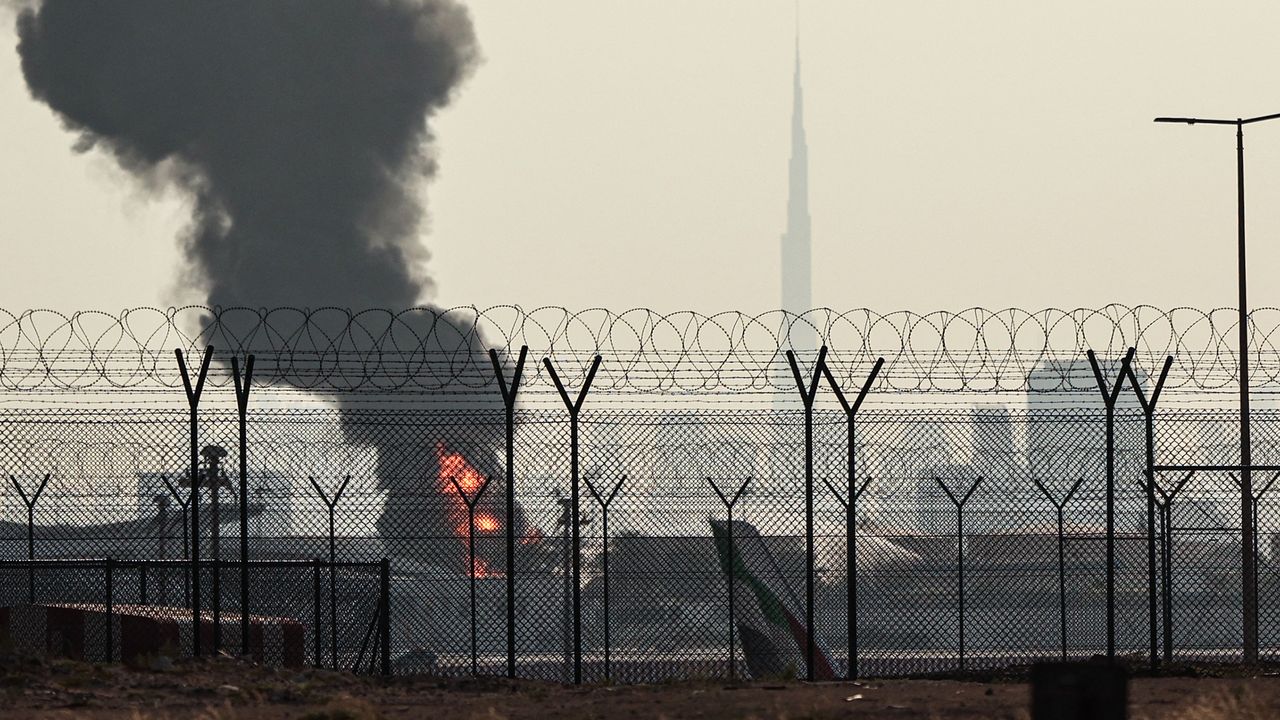
The numbers from Dubai this week are not typical market noise. According to Goldman Sachs data cited by the Daily Mail, property transactions in Dubai collapsed 51% week-on-week, with average prices slashed 25% as sellers scramble to exit. The New Yorker documented thousands of cancelled flights and repeated airspace closures as the ultra-wealthy executed contingency plans that clearly pre-existed this week.
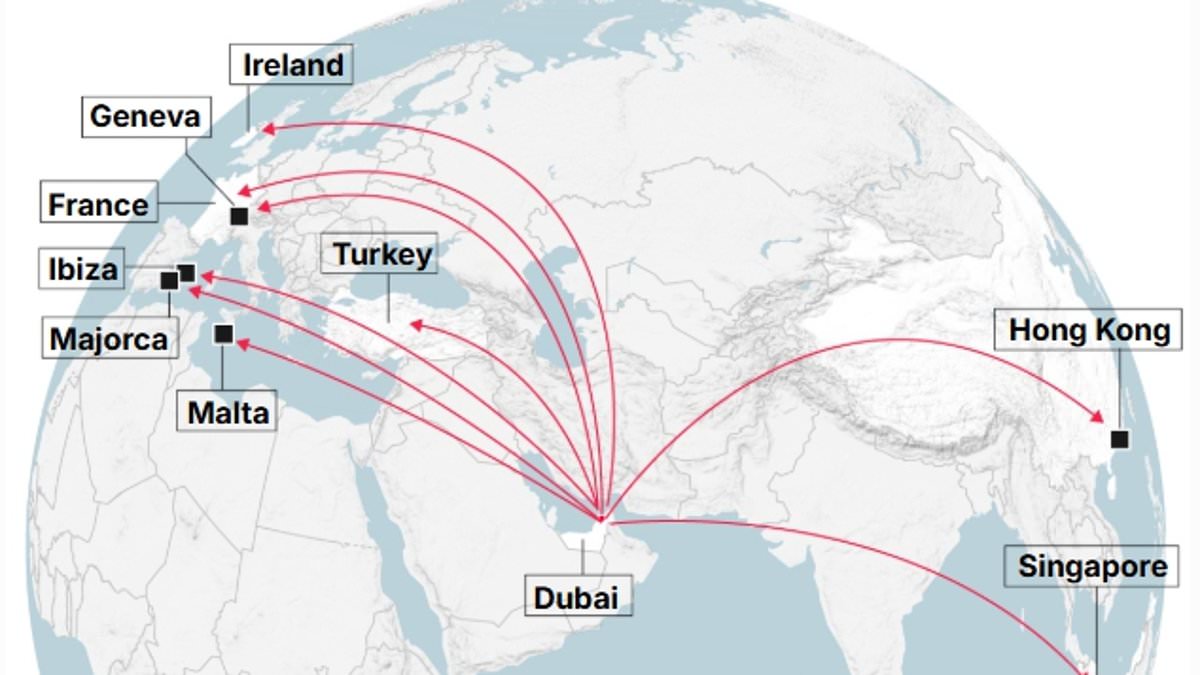
The destination profile tells you everything: Swiss private banking centers, Mediterranean island properties (Malta, Cyprus, Sardinia), and Southern European cities are seeing sudden demand spikes from UAE-based HNWIs. These are not tourists. These are people repositioning generational wealth on a compressed timeline.
Dubai built its brand on political neutrality and logistical convenience. The Gulf conflict has stress-tested that brand severely. Airspace closures create operational paralysis for a city whose identity is built on connectivity. When the flights stop, the safe haven pitch stops working.
The irony is brutal: Dubai attracted capital precisely because it seemed insulated from the regional conflicts that have historically destabilized neighbors. That insulation is now visibly thinner than advertised.
Gold in the UAE: Selling the Safe Haven Asset Inside the Broken Safe Haven
Gold prices in Dubai and the broader UAE dropped more than Dh50 per gram on Friday, with the spot rate running Dh80-90 below March peaks. The driver is not a collapse in global gold sentiment — it is forced liquidation by residents preparing to leave.
Physical gold is one of the most portable stores of value, which is precisely why UAE residents accumulated it over years. Now, as they prepare to relocate funds to Swiss accounts and European assets, gold is being converted back to cash. It is classic crisis liquidation: sell the liquid asset to fund the exit.
The global picture is the opposite. XAU/USD remains elevated well above $4,500, supported by safe haven demand from investors outside the Gulf who are watching the conflict escalate. Two very different gold stories are playing out simultaneously, separated by geography and intent.
For traders: the UAE discount versus global spot is a localized distortion, not a signal about the global gold trend. The structural bid for gold as a conflict hedge remains intact outside the immediate theater.
Oil: Brent Pulls Back, But the Floor Has Shifted
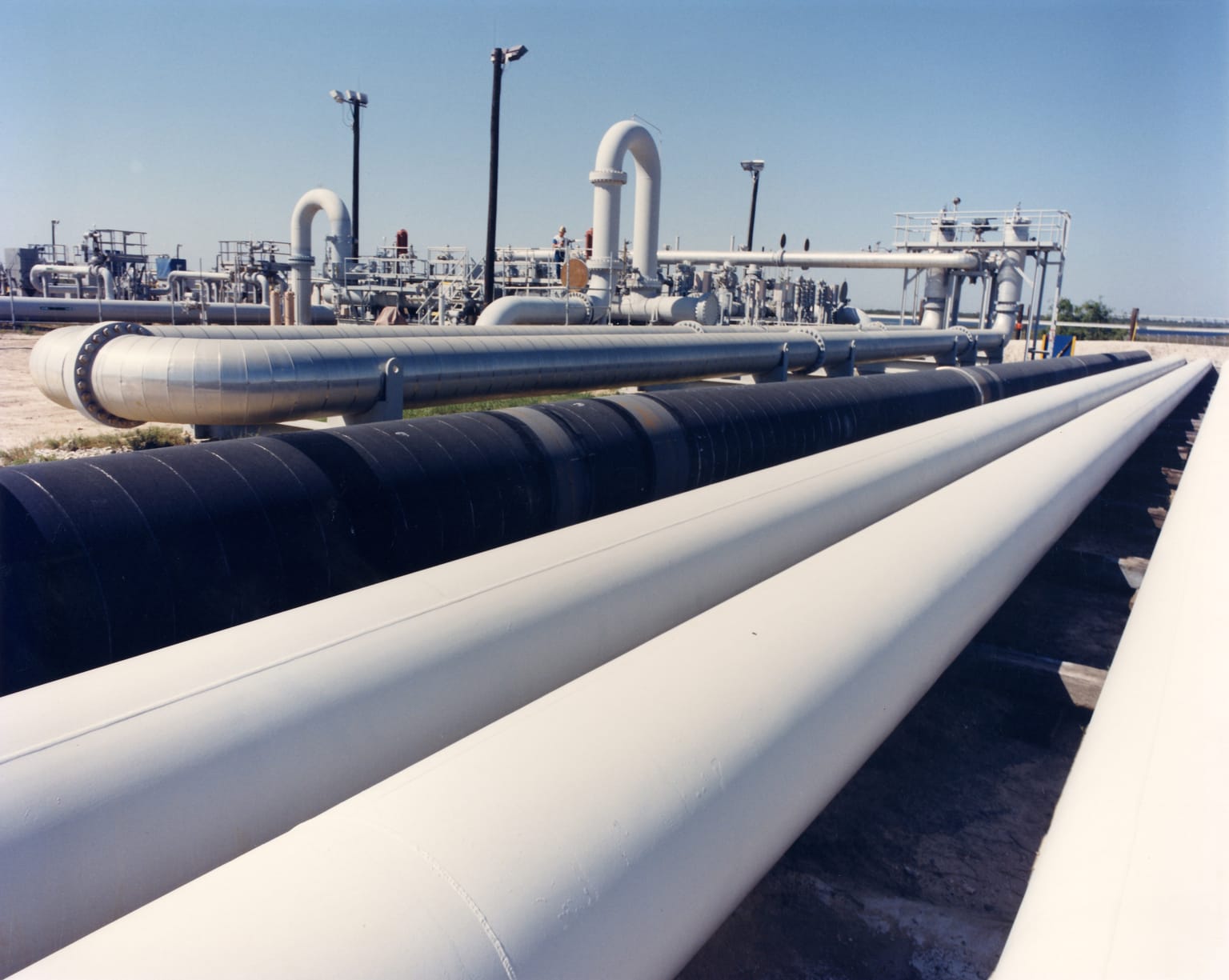
Brent settled in the $108-110 range on Friday, retreating from the $114+ print earlier this week. The pullback has a specific catalyst: CNBC reported that the US administration is actively weighing the release of previously sanctioned Iranian crude into global markets as an emergency supply measure. If executed, this would add meaningful barrels to a market that is acutely undersupplied on the Brent benchmark.
Saudi Arabia's public forecast of $180 Brent by April remains on the board, though the diplomatic signals suggest Riyadh is also watching the Iranian crude question carefully. A US-brokered release of Iranian supply would cut against Saudi pricing power at precisely the moment the Kingdom wants to leverage it.
The Brent-WTI spread remains historically wide — the structural bifurcation between globally exposed Brent and more domestically buffered WTI has not resolved. For oil traders, this spread is as important as the outright price level. European and Asian buyers are paying the Brent premium; US consumers are partially insulated.
The weekend presents the usual thin-liquidity risk for another headline spike. Any escalation in Iranian proxy activity or fresh infrastructure targeting could take Brent back toward $114 before Monday's open.
Bitcoin: Holding $70K in a 2022-Level Fear Environment
The Fear and Greed Index at 11 is the most striking data point in today's crypto picture. That reading matches the depths of the June 2022 collapse, when BTC was trading around $17,000-20,000. The fact that BTC is holding at $70,049 while sentiment is at capitulation levels suggests two possible reads: genuine demand absorption at this level, or a price that has not yet caught down to the fear.
The 24-hour change of -0.34% is effectively flat. Volume has been light. The market is not in aggressive selling mode — it is in paralysis mode. War uncertainty, Fed hawkishness, and equity weakness are collectively suppressing risk appetite without triggering a cascade. $70K has acted as a gravitational floor for the past several sessions.
ETH at $2,129 (-0.62%) continues to underperform BTC on a relative basis, consistent with the pattern throughout this conflict cycle. When macro fear spikes, ETH bleeds more than BTC given its closer correlation to risk-on sentiment and its larger exposure to DeFi/speculation flows.
Key levels to watch: BTC $68,000 (the level a Fear reading of 11 should theoretically pressure toward) and $72,500 (the level needed to signal buyers have stepped in decisively). Until one of those breaks, the sideways grind continues.
Equities: S&P 500 at Year Lows, Tech Still Caught in the Crossfire
The S&P 500 continues to trade near year-to-date lows, with no catalyst materializing to drive a meaningful recovery. The dual headwinds of elevated oil (input cost pressure across the economy) and a Fed that will not cut (removing the most reliable equity tailwind of the last decade) are not resolving on any visible timeline.
Tech remains the sector most exposed. Rising discount rates compress growth valuations. War uncertainty triggers rotation out of high-beta assets. The names under sustained pressure — NVDA, META, AMZN, AAPL — are precisely the stocks that drove 2023-2025 bull market gains. The unwind is not a technical correction; it is a regime change in the macro inputs that drove those gains.
Energy (XLE) and defense (ITA) continue to be the relative outperformers. The sector rotation that was visible as a thesis in January is now visible as a live trade.
Diplomatic Track: Words Without a Deal
Arab League and Islamic Cooperation foreign ministers issued a joint statement on Friday calling on Iran to cease attacks on Gulf infrastructure and civilian targets. European foreign ministers separately called for urgent ceasefire negotiations. The diplomatic activity is real — but it has not produced a deal, a pause, or even a credible off-ramp framework.
The gap between diplomatic statements and actual de-escalation remains the central market risk. As long as it exists, the risk premium in oil and the flight from Dubai real estate continue. Markets are not pricing in a resolution — they are pricing in continued uncertainty.
Weekend Watch List
- Iranian proxy activity Friday night / Saturday: Weekend is structurally the highest-risk window for escalation headlines in thin markets. Oil and BTC both vulnerable to gap moves.
- BTC $68K support: If BTC breaks below $68K over the weekend, it opens the path to $64-65K. Watch Saturday overnight Asia-session flows.
- Dubai property weekend data: Anecdotal transaction reports from Dubai brokers over the weekend will indicate whether Friday's 51% collapse was a one-day event or a sustained exodus.
- Iranian crude release news: Any White House or State Department confirmation of the Iranian crude exemption plan would be a significant oil market catalyst. Watch for Sunday evening leaks.
- Saudi statement on oil production: Riyadh has been publicly maintaining the $180 forecast. Any shift in language signals a change in their negotiating posture with Washington.
- Gold UAE vs global spread: If the UAE discount persists into next week, it may attract arbitrage buyers and close the gap. If it widens, the physical liquidation is accelerating.
Have a controlled weekend. The macro environment rewards patience and punishes overtrading into uncertainty. Know your levels, know your stops.