The Headline: Trump Blinks — Or Does He?
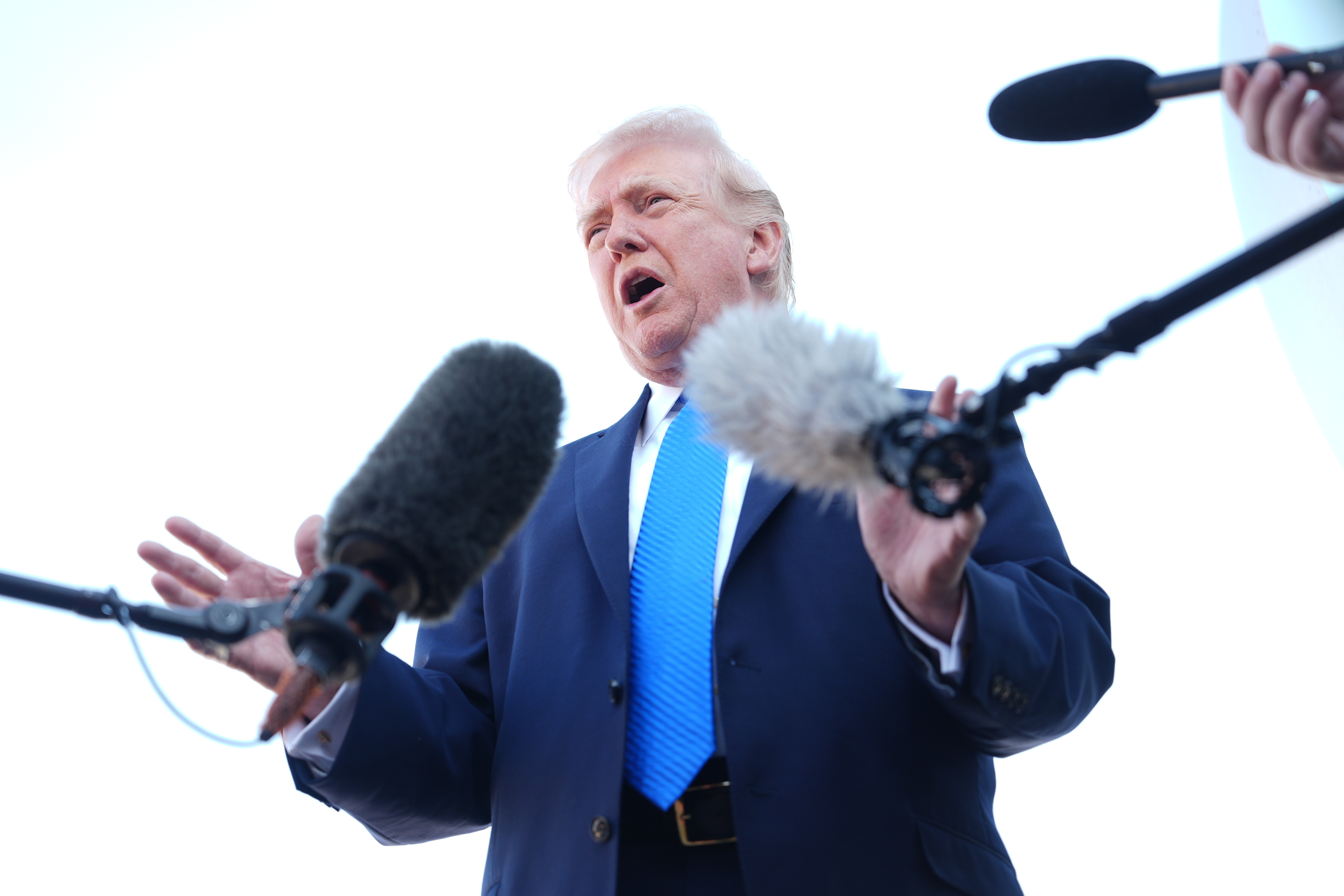
At approximately 13:00 UTC on Monday, Trump posted on social media that he was giving Iran "five more days" before any military action against its power grid, citing "very good and productive conversations" with unidentified Iranian officials. His Middle East envoy Steve Witkoff and son-in-law Jared Kushner were named as the US side of those talks.
Iran's response was immediate and sharp: Tehran denied any negotiations had taken place since the bombing campaign began 24 days ago. The speaker of Iran's parliament called Trump's claims "fake news designed to calm rattled energy markets." Iran's foreign ministry confirmed: no talks, no agreement, no deal.
So the market moved on a claim that may or may not be true. That is where we are.
Oil: Biggest Single-Day Drop in Weeks
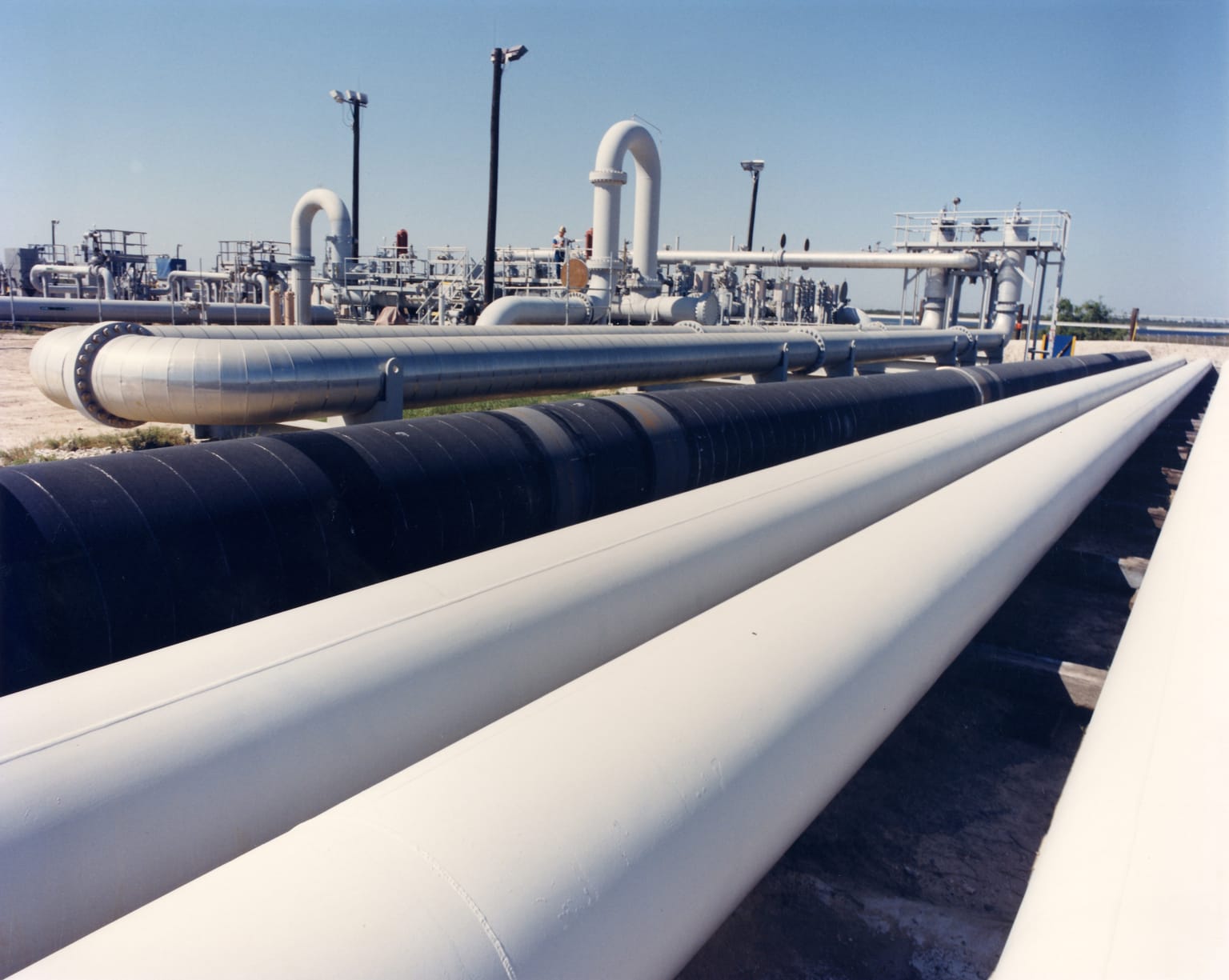
WTI crude fell from roughly $98.25 to $90.75 — a drop of $7.50, or about 7.6%. Brent saw a comparable decline. This was the largest single-day oil sell-off in several weeks and reversed a significant portion of the war-premium built up since the Hormuz closure began.
The market logic: if Trump is pausing and talks are happening, the probability of a full US strike on Iranian power infrastructure dropped sharply. Less escalation risk means the war premium deflates. Oil traders priced that in fast.
What the market is not pricing: the Strait of Hormuz is still closed. Murban crude (the UAE benchmark) is still elevated. The IEA has still not released emergency stockpiles in any meaningful volume. The physical supply disruption has not changed at all. Only the threat of it getting worse has temporarily eased.
If Iran does not show up to any table in the next five days, or if Trump's claims about "major points of agreement" turn out to be entirely fabricated, oil has a path back above $100 immediately. This is a pause, not a resolution.
Gold: Below $4,300 Briefly — Worst Week Since 2011
Gold traded as low as $4,280 intraday before recovering to close around $4,397. That brief dip below $4,300 was the lowest print of 2026 and marked what analysts are calling the worst week for gold since 2011.
The move is counterintuitive on the surface — gold is supposed to benefit from geopolitical risk. But the dynamic here is complex: gold had already run from roughly $3,100 to $5,000 over the past 14 months on sustained central bank buying, de-dollarization flows, and war premium. When the war premium deflates sharply in a single afternoon, gold gives back that premium fast.
The structural bid remains intact. Central banks are not selling. ETF inflows have not reversed. The dollar has not surged enough to explain the full move. This looks like a leveraged long flush, not a trend change.
Key support to watch: $4,250 (round number + prior consolidation). If that holds into Wednesday's Flash PMIs, the medium-term bull case stays alive. If it breaks on weak PMI data and further de-escalation, $4,000 becomes a realistic target.
S&P 500: Violent Squeeze, Still Below 200-DMA
S&P 500 futures spiked roughly 2.1% on Trump's announcement, recovering from the day's lows. The relief rally is real — less war risk is objectively good for equities.
But context matters. The S&P is still trading below its 200-day moving average, which it broke below earlier this month. Four consecutive weekly declines. The oil shock has not been reversed, it has just paused. If the next five days produce no actual deal and oil climbs back above $100, this squeeze reverses.
The squeeze itself tells you something about positioning. There were a lot of short positions built up going into today's Trump deadline, and they got squeezed hard. That is not the same as genuine fundamental buying.
Thursday's Flash PMIs will be the first major scheduled data release of the week. If they come in below 50 (contraction territory), which is increasingly likely given oil-shock consumer confidence damage, the market has a new catalyst to sell.
BTC: $70K+ and Fear Still at 8
Bitcoin bounced to $70,944 (+3.72% on the day) as the risk-off bid eased. Ethereum followed at $2,163 (+4.9%). The move tracks the broader risk-on sentiment from the Trump announcement.
The remarkable part: the Crypto Fear & Greed Index is still at 8. That is Extreme Fear territory — a historic low that has only been touched a handful of times. BTC rallied nearly 3.5% today and the index barely moved. That tells you how deep the sentiment hole is.
From a pure contrarian standpoint, buying crypto when the Fear & Greed Index is at 8 has been profitable every time it has happened historically. The question is whether this situation is different — a genuine geopolitical supply shock with no clear resolution timeline is not the same as the 2022 FTX collapse or the 2020 COVID crash.
Miners are still under pressure. Production cost is approximately $88K per BTC at current difficulty. Every day BTC trades below that level is another day of miner pain. That selling pressure does not disappear overnight.
BTC needs a daily close above $72,500 to shift the short-term structure back to bullish. Watch that level this week.
The Real Question: Pause or Resolution?
Trump's five-day extension means the next hard deadline is Saturday, March 28. Between now and then:
- If verifiable talks begin and Iran makes any concession on Hormuz access, the war premium collapses further. Oil toward $80, gold toward $4,000-4,100, S&P back above 200-DMA.
- If Iran continues to deny any talks and the five days expire without progress, Trump faces a credibility problem. He either strikes or he doesn't. Either outcome is volatile for markets.
- Iran has a domestic political problem with any deal that looks like capitulation. The parliament speaker calling Trump's claims "fake news" within hours of the announcement suggests internal Iranian politics are not aligned toward a quick resolution.
The most likely outcome by Friday: partial progress claims, another extension, continued uncertainty. Markets will whipsaw on each headline. Position sizing matters more than direction calls this week.
Tomorrow: Flash PMIs Are the Week's Scheduled Catalyst
Tuesday, March 24 brings Flash PMI readings for the Eurozone, UK, and US. Given the oil shock impact on consumer confidence and manufacturing input costs, these numbers are at elevated risk of coming in soft.
A US Manufacturing PMI below 50 would confirm what many economists are already flagging: the oil shock is starting to bite into real economic activity. That would be bad for risk assets regardless of what Trump says about Iran talks.
If PMIs surprise to the upside — showing the economy absorbing the oil shock better than expected — that changes the narrative heading into month-end.
All times UTC. Flash PMIs release 08:15-09:00 UTC (Eurozone and UK), 13:45 UTC (US).