Tanker Ablaze Off Dubai: The Gulf Is Now a War Zone
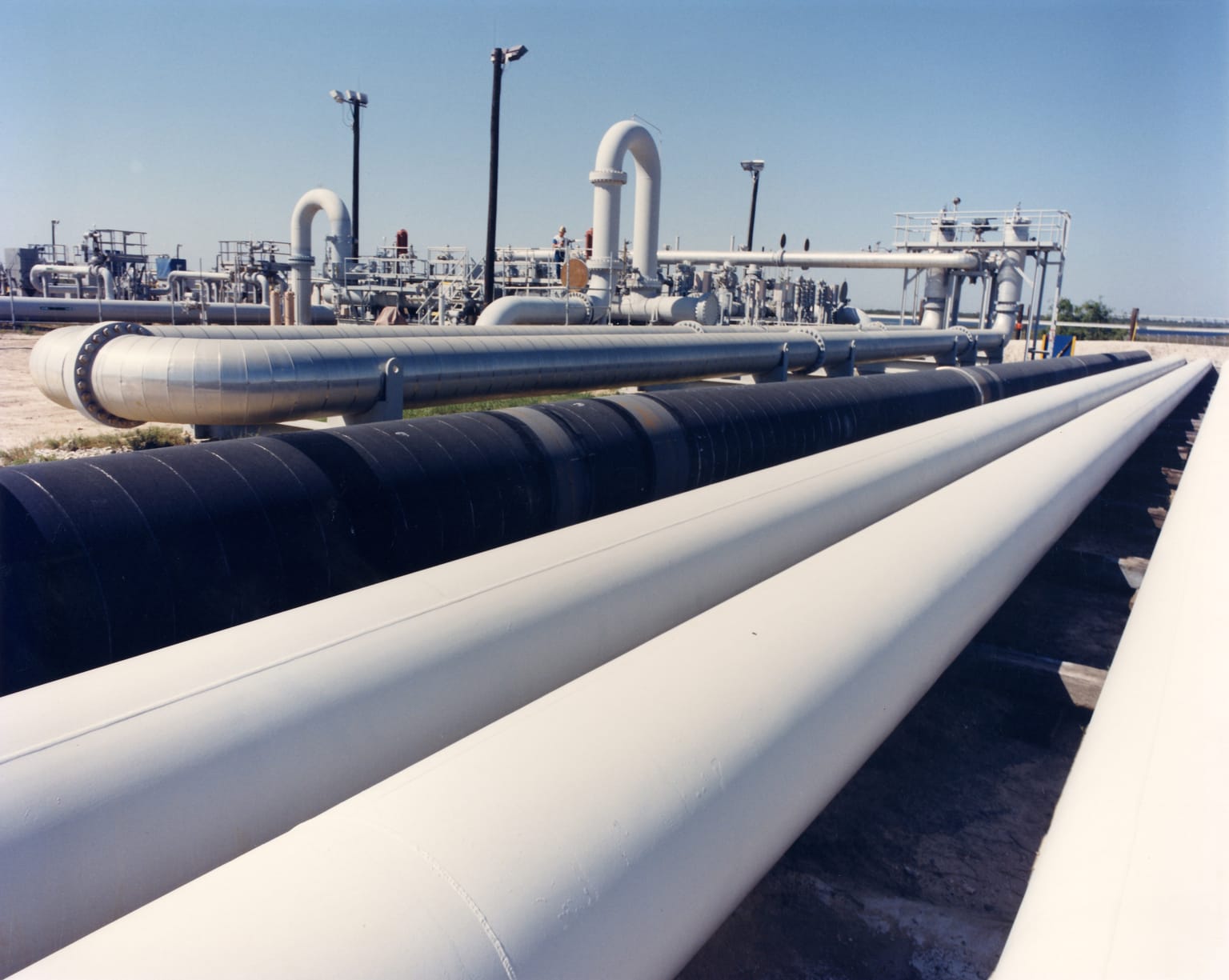
The biggest story of the day was not in a trading terminal. Just after midnight Gulf time, Iran launched a drone strike on the Al Salmi, a fully loaded Kuwaiti crude oil tanker anchored off Dubai. The vessel caught fire and burned for roughly three hours before maritime crews brought the blaze under control. All 24 crew members survived. There was no reported oil leak. But the psychological effect was immediate: dozens of vessels in the area pulled anchor and fled.
This is the latest in a string of attacks on merchant shipping since the United States and Israel launched strikes on Iranian territory on February 28. Tanker traffic through the Strait of Hormuz - through which a fifth of global seaborne oil once transited - has ground to near zero. The Al Salmi attack marks a new escalation: this was not a vessel near the Strait, but one anchored inside a major Gulf commercial port. The message from Tehran is direct: nowhere is safe.
Trump responded on Monday by threatening to "completely obliterate" Iranian power plants and oil production facilities unless the Strait reopened "immediately." Then, within hours, the Wall Street Journal reported that Trump privately told aides he was open to ending hostilities even if Hormuz remained partially closed - unwilling to let a prolonged war push gas prices high enough to cost him the midterms. That whipsaw is defining every session right now: escalation headline, de-escalation leak, repeat.
Oil: Strongest Monthly Rally Ever, But Cracks Are Forming
Brent crude is trading at $113.05 per barrel as of the Asian session open, with WTI at $102.78. Brent is on track for its strongest monthly rally in London trading history. At its peak this month, prices briefly touched the $120 level before pulling back when Trump previously postponed strikes on Iranian civilian infrastructure.
The volatility is structural. With Hormuz effectively blockaded, physical oil has to travel longer routes around the Arabian Peninsula, adding days and cost per shipment. At the same time, any credible exit ramp for the conflict - and the WSJ report suggests one may be forming - would flush speculative long positioning hard. Ben Emons of Fed Watch Advisors put it plainly: "Trump could be forced to wave the white flag to control gas prices and thereby inflation before midterms." Watch for WSJ and Reuters reporting on any back-channel talks; that is where oil trades go first.
Oil traders looking for leveraged exposure to this volatility can access both WTI and Brent CFDs alongside gold, stocks, and indices via Bybit TradFi.
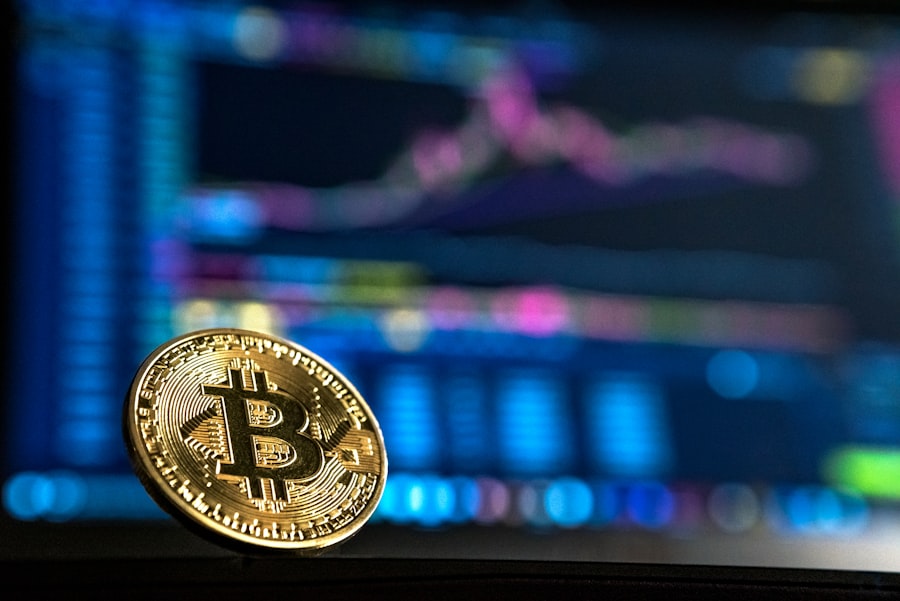
Source: Tyler Stableford / Getty Images via CoinDesk
Bitcoin: Six Straight Monthly Losses on the Table
BTC is currently at $67,695 (+1.71% in the past 24 hours), but that live price obscures a troubling monthly close setup. The month opened at $67,300. BTC needs to hold above that level when the UTC candle closes tonight to avoid what would be six consecutive monthly losses - a streak only matched once, between August 2018 and January 2019.
The macro headwinds are real. Oil above $100 for 30-plus days complicates the Fed's posture on rate cuts, which crypto markets had been pricing in for Q2. CoinDesk and Coinglass data shows BTC fell 4% in October, 18% in November, 3% in December, 10% in January, and 15% in February. March is currently down roughly 1%, meaning a close anywhere below the monthly open seals the record-tying streak.
Fear and Greed sits at 11/100 - Extreme Fear, the lowest reading since November 2024. Historically, readings below 15 have preceded 30-day forward gains averaging 18.3% (seven occurrences since 2023), according to BlockchainMagazine analysis. Exchange reserves have net-outflowed 14,200 BTC over the past seven days - contrarian bullish - while long-term holder supply continues accumulating. Funding rates are at -0.008%, meaning shorts are paying longs, and a short squeeze is building.
Key levels to watch overnight: $66,000 is critical support (50-day MA and 0.618 Fib from the March rally). A break targets $62,400 (200-day MA) and potentially $58,500 (realized price). Recovery above $68,800 (20-day MA) changes the picture.
Ethereum is holding better at $2,095 (+3.24%), but the $2,000 psychological level remains the line to hold. ETH underperforming BTC on the way down is a classic risk-off signal; outperforming on the bounce (as today) can indicate early risk appetite return.
Gold: Off All-Time Highs But Still the Only Safe Haven Standing
Gold is at $4,578, down modestly from the $4,520-$4,524 range that marked Monday's close in New York. The metal hit an all-time high near $5,420 in early March before the Iran conflict triggered a sharp rotation out of safe havens as investors liquidated gold to cover margin calls on equities and crypto. Gold has since staged a significant recovery but remains well below peak.
The dynamic here is unusual: gold and oil are both elevated, but gold is no longer acting as the primary safe-haven of choice in this conflict. Investors are instead moving into cash, short-dated Treasuries, and volatility products. The VIX spiked above 30 on Monday and last printed at 31.05 - a level that historically marks genuine institutional fear rather than retail noise.
J.P. Morgan's 2026 forecast of $5,055/oz by Q4 remains intact if the conflict drags on without full resolution. Key resistance is the February high at $5,420. Support is $4,376-$4,500 (LiteFinance technical range). For traders, gold CFDs via Bybit TradFi provide direct spot-equivalent exposure to XAUUSD moves.
Equities: Three Straight Losses, VIX at 31
The S&P 500 closed at 6,343.72 on Monday, down 0.39%, extending a three-session losing streak. The Nasdaq Composite fell 0.73% to 20,794.64. The Dow managed a slight 0.1% gain as defensive and energy names held. The VIX printed 31.05, up 13.2% on the session. Decliners outpaced advancers by a 3.38:1 ratio on the NYSE.
For Tuesday's US session, futures were pointing higher pre-market (+0.94% for S&P 500 futures at 04:30 ET) on the WSJ de-escalation report. Asian markets gave a mixed read: South Korea's Kospi dropped 4.26% as the won slid near 2009 lows against the dollar; Japan's Nikkei fell 1.58%; Australia's ASX 200 added 0.25%.
Fed Chair Powell's comment that inflation expectations remain "well anchored" offered the only real macro comfort of the session. That framing matters: it keeps the door open for eventual rate cuts without forcing an emergency response to energy-driven CPI. Any resolution in the Gulf would likely produce a significant relief rally in equities - particularly in rate-sensitive tech.
Tomorrow's Economic Calendar (April 1, 2026 - UTC)
14:00 UTC - ISM Manufacturing PMI (March)
Forecast: ~50.5 | Previous: 52.6 (January 2026)
Why it matters: Manufacturing is the first major monthly data point for Q2. A reading above 50 signals expansion and could support equities. Given oil above $100 inflating input costs and Middle East supply uncertainty, a soft print below 50 would reignite stagflation fears and likely pressure the S&P 500. BTC and gold would react to the risk-sentiment shift.
14:00 UTC - JOLTS Job Openings (February)
Forecast: ~7.7M | Previous: ~7.9M
Why it matters: The Fed watches labor market data closely to calibrate rate cut timing. A surprise drop below 7.5M job openings would signal cooling demand and increase expectations for a June cut - bullish for risk assets including BTC. A strong print above 8M would push rate cut expectations further out, pressuring equities and crypto.
All session - Oil/Middle East headlines
Not on any calendar, but the most important variable: any confirmed back-channel diplomatic contact between the US and Iran would trigger immediate oil selling and a relief rally in equities and crypto. Watch Reuters and WSJ Middle East desks for breaking developments between 06:00-18:00 UTC.
Stocks and ETFs to Watch
XLE (Energy Select Sector SPDR) - Direct play on oil prices. With Brent above $113 and WTI above $102, energy is the only S&P 500 sector in clear positive territory for Q1. Watch for profit-taking if ceasefire signals accelerate.
GLD (SPDR Gold Shares) - Gold at $4,578 with uncertainty persisting. $4,376-$4,500 is key support. A clean hold and bounce from that zone targets a retest of all-time highs. Ceasefire risk is the primary downside catalyst.
QQQ (Nasdaq-100 ETF) - Tech under pressure with VIX at 31. Nasdaq fell 0.73% Monday and is now down significantly on the Q1 close. Any de-escalation in the Middle East would likely produce the sharpest snapback here. Watch for short-covering flows.
SPY (S&P 500 ETF) - Third straight loss, but futures point higher. The 6,343 close is a critical support zone. A break below 6,300 accelerates selling. JOLTS and ISM data tomorrow are the near-term catalysts.
VIX (CBOE Volatility Index) - At 31.05, elevated but not at crisis levels. A move above 35 would signal institutional panic. A drop back below 25 on ceasefire news would be the "all clear" signal for risk assets.
Sector watch: Airlines and consumer discretionary remain under severe pressure from high fuel costs. Shipping stocks ($ZIM, $MATX) continue pricing in extended Hormuz disruption. Defense sector ($LMT, $RTX, $NOC) holding near highs.
Overnight Key Levels Summary
- BTC: Must close above $67,300 to avoid sixth consecutive monthly loss. Support at $66,000; breakdown targets $62,400
- ETH: $2,000 is the psychological floor. Hold above confirms Q2 positioning
- Gold (XAU): $4,376-$4,500 support zone; resistance at February ATH $5,420
- Brent Oil: $113 current; $120 prior resistance. Ceasefire = flush to $95-100
- S&P 500: 6,343 support. Futures pointing +0.94%. ISM + JOLTS at 14:00 UTC are the key data events
- VIX: 31.05. Watch for break above 35 (panic) or drop below 25 (relief)
The quarter closes with markets in a fragile equilibrium. Oil above $100 is the tax nobody voted for, and the political pressure on Trump to find an exit is building. The next 48 hours - with ISM data, JOLTS openings, and whatever comes out of the Gulf overnight - will set the tone for Q2.