Friday belongs to one number. The US July employment report lands at 08:30 Eastern, the single most important data point of the week and the last major labor read before the Federal Reserve's September meeting. Markets arrive at the print in a cautious crouch: as we noted in Thursday's evening review, the Dow snapped its record win streak and the S&P 500 slipped to 7,709.96 as oil jumped and Treasury yields climbed. This morning S&P 500 futures are little changed, gold is eyeing its best week since January, and crude is holding a fresh war premium. This is the morning scorecard, not an instruction to act on any asset.
Wall Street Cools Into the Print
Thursday drained some of the record-chasing energy out of the tape. The Dow Jones Industrial Average fell 464 points, or 0.85 percent, to 53,885.10, giving back Wednesday's record as rising yields pressured its rate-sensitive names. The S&P 500 eased 0.18 percent to 7,709.96, a second shallow slip that kept it just below Tuesday's all-time high, while the Nasdaq Composite held up best, down just 0.06 percent to 26,348.35. The driver was macro, not earnings: a roughly 4 percent jump in oil lifted inflation expectations and dragged yields higher. This morning, S&P 500 futures sit little changed, a holding pattern that fits a market unwilling to commit ahead of the payrolls number.
- Dow -0.85% to 53,885.10, snapping its record run
- S&P 500 -0.18% to 7,709.96, a second shallow slip
- Nasdaq -0.06% to 26,348.35, holding up best
- Futures little changed overnight into jobs day
The July Jobs Report: What to Expect
The consensus is for a soft but positive print. Economists broadly expect payrolls to rise by roughly 80,000 to 83,000 in July, with the unemployment rate holding near 4.2 percent and average hourly earnings up about 0.3 percent on the month. Estimates are unusually scattered this time, ranging from below 80,000 to well above 110,000, which raises the odds of a surprise in either direction. Beyond the headline, the market will comb through labor force participation, wage growth and the composition of hiring for cleaner signals. The stakes are simple: traders are watching payrolls for how much room the Fed has before its September 15 to 16 meeting. A soft number strengthens the rate-hold case; a hot one layered on top of rising oil sharpens the inflation worry. Scheduled releases like this sit on our economic calendar.
- Consensus ~80K to 83K jobs, unemployment near 4.2%
- Wages seen +0.3% on the month, ~3.5% year over year
- Forecasts are widely scattered, raising surprise risk
- The print frames the September 15-16 Fed decision
Gold Eyes Its Best Week Since January
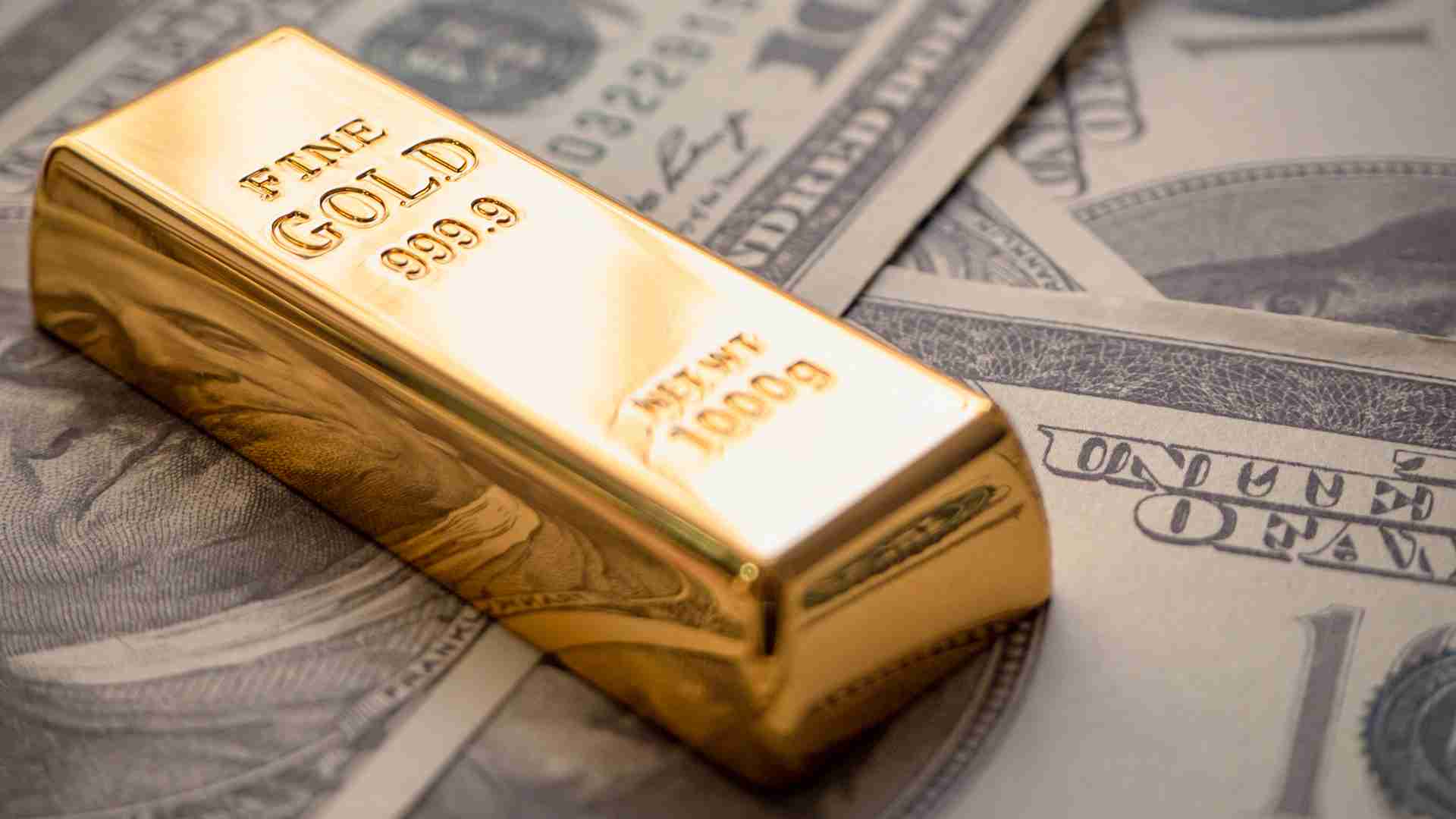
The standout of the week sits in the metals pits. Gold is holding above 4,254 dollars and is on track for its most profitable weekly close since January, up roughly 5 percent over the five sessions. The rally has been fed by a familiar mix: softening labor signals, a weaker dollar and, for most of the week, easing Treasury yields that trimmed the opportunity cost of holding a non-yielding asset. Thursday's yield bounce took a little shine off, but the structural bid has stayed intact. The payrolls print is now the swing factor: a weak number would revive rate-cut hopes and could extend the run, while a hot one could cap it by pushing real yields back up. Live levels and flows sit on the ThriveInMarkets homepage.
- Gold ~$4,254, on pace for its best week since January
- Up about 5% on the week on a softer dollar and yields
- Thursday's yield bounce trimmed some momentum
- Payrolls is the swing factor for the next leg
Oil Holds Its Hormuz Bid, Crypto Drifts
Crude is the wildcard sitting underneath the inflation debate. West Texas Intermediate is holding near 78 dollars after Thursday's sharp roughly 4 percent jump, keeping a Strait of Hormuz war premium back in the barrel just days after de-escalation hopes had drained it. That matters into jobs day because higher oil feeds directly into the inflation numbers the Fed is watching. Digital assets, by contrast, are drifting: Bitcoin is holding near 64,600 dollars, roughly flat and stuck within its familiar two-month range, while Ether sits near 1,904 dollars, again trading a touch firmer than Bitcoin on a relative basis. Neither is committing before the number, which is itself the tell.
- WTI ~$78, holding Thursday's Hormuz-driven jump
- Higher crude feeds the inflation debate into the Fed
- Bitcoin ~$64,600, drifting in its two-month range
- Ether ~$1,904, firmer than Bitcoin on a relative basis
Scenarios Into the Number
The map for the session is unusually clean because everything hinges on 08:30 Eastern. A soft payrolls print, say a headline well below 80,000 or a tick up in unemployment, would revive the rate-cut narrative, likely pressure the dollar and yields, and give both gold and equities room to steady. A hot print, a headline north of 110,000 with firm wages, would do the opposite, hardening the case the Fed's hawks have made and layering on top of the oil-driven inflation worry that unsettled Thursday. Watch three things as the number hits: where 10-year yields settle, whether crude holds its Hormuz gain, and how the dollar reacts. None of this is a forecast or an instruction to trade; it is the structure of what the market is watching into the most important release of the week.
- Payrolls at 08:30 ET is the session's only real catalyst
- A soft print revives rate-cut hopes; a hot one hardens the hawks
- Watch 10-year yields, crude and the dollar on the reaction
- Both stocks and crypto are waiting, not committing
ThriveInMarkets publishes market commentary for general information only and does not provide personal investment advice. Index figures are Thursday, August 6, 2026 cash-session closes; crypto, gold and WTI figures are live or latest prints as of 08:00 UTC on August 7, 2026. Economic releases and their consensus estimates are scheduled events subject to change. Levels and scenarios cited are technical reference points, not instructions to buy or sell any asset.